Our Top Picks
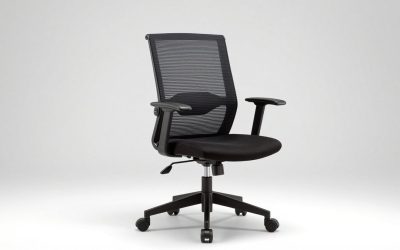
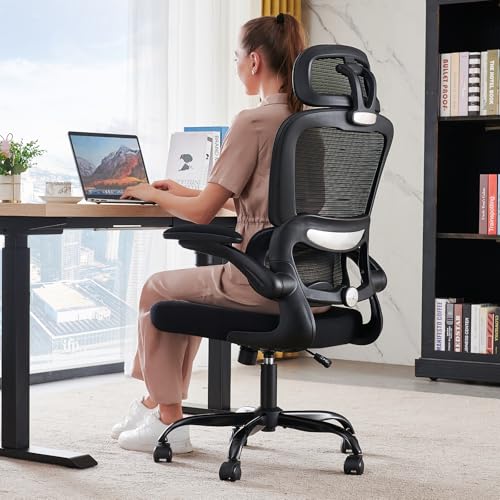 TRALT Office Chair Ergonomic Desk Chair with LumbarPack of 127.6 x 27.6 x 49.2 inches28 poundsCheck on Amazon
 Everlasting Comfort Doctor Recommended Memory Foam Seat CushionLarge17.5 x 14 x 2.75 inches1.5 poundsCheck on Amazon

Why Your Chair’s Lumbar Support Probably Isn’t Working
Most office chairs ship with some kind of lumbar bump built into the backrest, and for a lot of people it just doesn’t line up right. Your lumbar curve sits roughly at belt-buckle height when you’re seated, but chair backrests are built to a generic height that assumes you’re somewhere between 5’4″ and 5’10”. If you’re outside that range, or your torso-to-leg ratio is unusual, the built-in bump hits your mid-back or doesn’t reach you at all. That’s the whole reason aftermarket lumbar supports exist: they let you move the support point to where your spine actually needs it.
The failure mode to watch for is lower back pain that gets worse as the day goes on but isn’t there in the morning. That’s a strong sign your chair is letting your pelvis slide forward (called sacral sitting), which flattens your lower back curve and loads the discs unevenly. A good lumbar support fights that by pushing into the curve just above your belt line, not your whole lower back.
The Three Types Worth Knowing
Strapped cushions are the simplest: a foam or mesh pad that straps around the chair back. They work on almost any chair, including dining chairs and car seats, and they’re the cheapest fix. The trade-off is they can shift during the day if the straps aren’t tight, and cheap foam ones go flat within a year.
Built-in adjustable lumbar mechanisms are what you get on better office chairs: a dial or lever that moves an internal support pad up, down, or in and out. These are the most durable option since there’s nothing to slip, but you’re stuck with whatever range the mechanism offers, and retrofitting one into a chair that doesn’t have it isn’t realistic.
Memory foam or gel pillows that just rest against the backrest without strapping on are the least secure option. They’re fine for a recliner or couch but tend to slide down in a task chair within an hour of normal fidgeting and shifting.
If you’re buying standalone support, strapped cushions are the practical default for most people. You can browse the range of lumbar support cushions for office chairs and expect to pay somewhere between $20 and $45 for something that actually holds its shape.
Memory Foam vs Mesh vs Firm Foam
Material matters more than brand name here. Memory foam contours to your back and feels great in the first ten minutes, but it also traps heat, and in warm offices that becomes a sweaty-back problem by mid-afternoon. It also softens over time, meaning a cushion that felt supportive in month one can feel mushy by month six.
Mesh-covered foam or molded plastic-and-mesh supports breathe better and tend to hold their shape longer, but they feel firmer out of the box, which some people read as “harder” rather than “more supportive.” If you run warm or sit for 8+ hour stretches, mesh is usually the better long-term pick even though it’s less plush initially.
Firm, non-memory foam (sometimes molded polyurethane) is the most durable of the three and the least likely to pack down, but it’s unforgiving if the cushion is positioned even slightly wrong, since there’s no give to mask a bad fit.
| Type | Comfort out of box | Breathability | Durability (daily use) | Best for |
|---|---|---|---|---|
| Memory foam | High | Low | 12–24 months before softening | Cooler rooms, shorter sit times |
| Mesh + foam | Medium | High | 3+ years | Hot offices, full workdays |
| Firm molded foam | Low–Medium | Medium | 3+ years | People who need precise placement |
Should You Fix the Chair or Buy a New One?
If your chair is otherwise good, meaning the seat pan is the right depth and the armrests adjust properly, a $25-$35 strapped lumbar cushion is almost always the smarter move than replacing the whole chair. You’re solving one specific problem without paying for a new seat, new armrests, new base, all of which were probably fine.
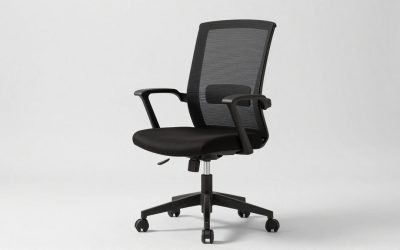
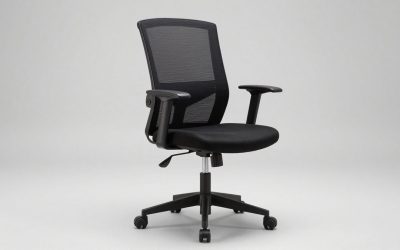
Where it makes sense to look at a new chair instead is if your current one has a fixed backrest angle, no seat depth adjustment, or is simply too short in the back for your torso. In that case no cushion fixes the underlying geometry, and you’re better off shopping ergonomic office chairs with adjustable lumbar support built in. Expect to pay $150-$400 for a chair where the lumbar mechanism is actually independently adjustable in height, not just a fixed bump molded into the plastic.
One honest caveat: if you already have a $600+ ergonomic chair with a working lumbar dial, buying an aftermarket cushion on top of it is usually redundant and can actually push your spine too far forward. Try maxing out the built-in adjustment first before adding anything.
Getting the Height Right Actually Matters More Than the Product
The single biggest mistake people make with lumbar cushions is strapping them at the wrong height. Sit normally, find where your belt line hits the chair back, and that’s roughly where the thickest part of the cushion should sit, maybe half an inch above it. Too high and it pushes your upper back forward uncomfortably; too low and it does nothing, which is the more common error since most people strap it too far down out of instinct.
If you’re also dealing with hip or tailbone pain rather than lower back pain, that’s a seat cushion problem, not a lumbar problem, and a memory foam seat cushion for office chairs addresses a different joint entirely. Don’t buy a lumbar support expecting it to fix seat pan discomfort; the two problems have different symptoms and different fixes, and conflating them is how people end up with a drawer full of cushions that didn’t help.
What to Actually Buy
For most people with an otherwise decent chair, a mesh-backed strapped lumbar cushion in the $25-$35 range solves the problem for less than a tenth the cost of a new chair. Save the chair replacement for when the backrest itself is too short or the seat depth doesn’t adjust, because no amount of cushion engineering fixes bad chair geometry.