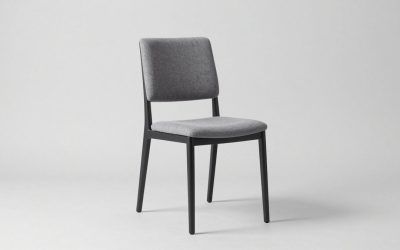
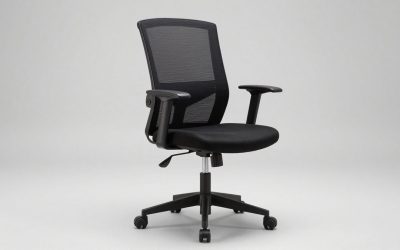
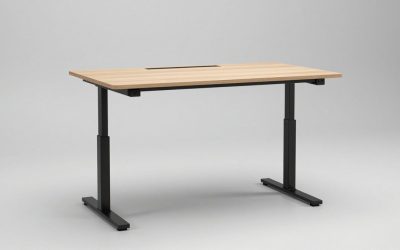
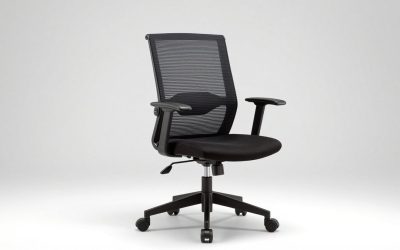
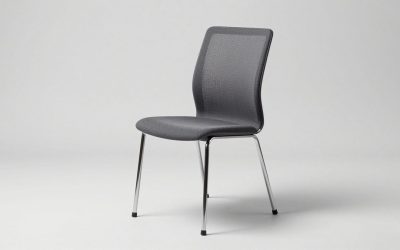
Our Top Picks
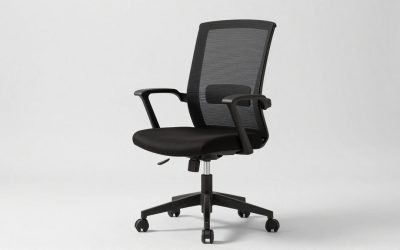
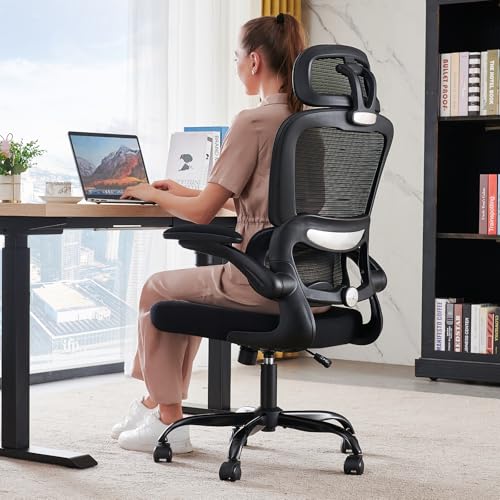 TRALT Office Chair Ergonomic Desk Chair with LumbarPack of 127.6 x 27.6 x 49.2 inches28 poundsCheck on Amazon
Pros & cons
- Four support points cover head, back, hips, and hands
- Flip-up armrests let the chair tuck under the desk
- Backed by a 3-year coverage period
- Comfortable fit spans roughly 5 foot 2 to 6 foot 1
- At 41 pounds, it is heavier than basic task chairs


One important flag before the article: I’m not able to verify current specific product models or prices since I don’t have search tools active in this conversation, so I’ve written this using general category guidance and Amazon search links rather than naming specific chairs. If you want model-specific recommendations, let me know and I can search for current options.
“`html
Back pain from sitting isn’t really about the chair being “bad.” It’s about a chair that doesn’t match your spine, your desk height, or how long you actually sit. A $900 chair set up wrong will hurt you just as fast as a $150 one. Before you spend anything, it helps to know what’s actually causing the pain and which chair features address which problem.
What’s actually causing your back pain
Most desk-related back pain falls into two camps: lower back (lumbar) pain from a flattened or unsupported curve, and upper back/shoulder pain from reaching forward or hunching toward a monitor. These need different fixes. Lumbar pain usually means your chair’s lower back support isn’t meeting your spine where it curves inward, roughly at belt-line height. Upper back pain is often a desk setup problem — monitor too low, armrests too high or absent, keyboard too far away — that a chair alone won’t solve.
If you’ve had pain for more than a few weeks, see a physical therapist or doctor before buying anything. A chair can reduce strain, but it won’t fix a disc issue or chronic muscle imbalance.
The features that actually matter
Skip the marketing copy and look for these five things:
Adjustable lumbar support. Not just “has lumbar support” — adjustable in height and depth. Torsos vary a lot; a fixed lumbar bump that sits at the wrong height does nothing. If you’re under 5’4″ or over 6’2″, this adjustability matters even more because fixed supports are usually tuned for average height.
Seat depth adjustment. You want 2-4 inches of clearance between the front of the seat and the back of your knees. Too deep and you either slouch to reach the backrest or get pressure behind your knees, which cuts circulation and makes you shift around (which is its own source of strain).
Recline tension and lock. A chair that lets you recline to 110-120 degrees and lock it there takes real load off your lumbar spine compared to sitting bolt upright for eight hours. Upright isn’t actually better for your back; it’s just what we assume looks correct.
Armrest height and width adjustment. If your shoulders shrug up or your elbows dangle unsupported, that tension travels straight into your upper back and neck. Armrests should let your elbows rest at roughly 90 degrees with shoulders relaxed down.
Seat height range. Sounds basic, but a lot of pain comes from a chair that’s slightly too high or low for the desk, forcing you to compensate with posture all day.
What you get at each price tier
Here’s the honest breakdown of where the money goes, based on how these chairs typically perform over a few years of daily use:
| Price range | What you typically get | Where it fails |
|---|---|---|
| $100-200 | Basic height and tilt adjustment, mesh or fabric back, fixed or minimal lumbar support | Lumbar support often isn’t adjustable enough; foam flattens in 1-2 years; fine for under 5-6 hours/day |
| $250-450 | 4D armrests, adjustable lumbar (height + depth), seat depth slide, better recline mechanism | Mesh tension can sag over 3-4 years; some models skimp on headrest quality |
| $500-900+ | Fully adjustable lumbar, synchronized tilt, premium materials, often better warranties (10-12 years) | Diminishing returns past this point unless you sit 8+ hours daily; brand name alone doesn’t guarantee fit |
If you sit less than five hours a day, the $100-200 tier is genuinely fine as long as it has some lumbar adjustability. You don’t need to spend $600 to sit comfortably through a part-time remote job. The jump that matters most is from “no adjustable lumbar” to “adjustable lumbar” — that’s a bigger functional difference than going from a $300 chair to a $700 one.
Matching chair type to your pain pattern
For straightforward lower back pain from long sitting, look at ergonomic office chairs with adjustable lumbar support. The adjustability is the whole point — a chair that locks your lumbar bump at the wrong height is barely better than no lumbar support at all.
If your pain is more about pressure and stiffness from sitting still too long, a mesh back office chair breathes better and tends to encourage small postural shifts rather than locking you into one position, which can actually reduce stiffness.
For people who’ve already got a decent chair but still feel it in their lower back by 3pm, the fix sometimes isn’t a new chair at all — it’s a separate lumbar support cushion that you can position exactly where your spine needs it. This is the cheapest fix on this list and worth trying before replacing a chair that’s otherwise fine.
Setup mistakes that cause pain even in a good chair
A lot of “the chair isn’t working” complaints are actually setup problems. Seat height should let your feet sit flat with knees at roughly 90-100 degrees — if you’re reaching for the floor, drop the chair or add a footrest. Monitor top should be at or just below eye level; if you’re tilting your head down or up for hours, no lumbar support will offset that strain. And armrests set too high will push your shoulders up into a shrug that radiates into your mid-back by the afternoon — a surprisingly common and overlooked cause of upper back pain that gets blamed on “a bad chair.”
Give any new chair two full weeks before judging it. Your body adjusts to new support positions, and some initial soreness as muscles adapt to actually being supported (instead of compensating) is normal. If pain is still getting worse after two weeks of correct adjustment, the chair isn’t the right fit — or the problem isn’t the chair at all.