Our Top Picks
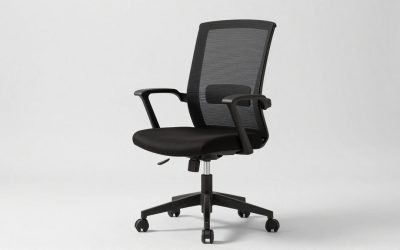
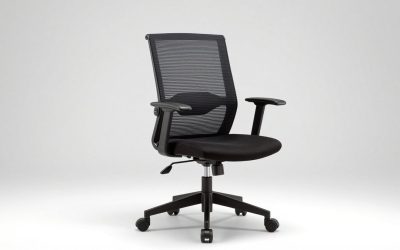
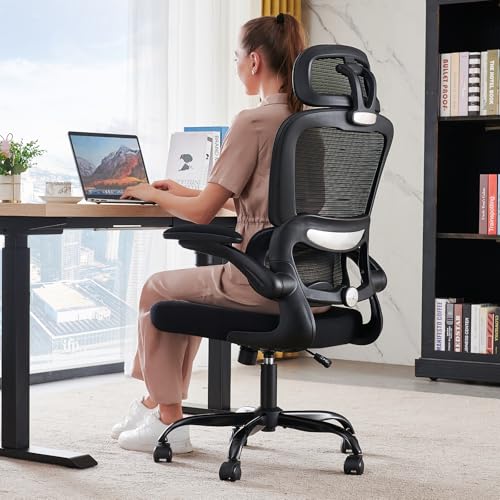 TRALT Office Chair Ergonomic Desk Chair with LumbarPack of 127.6 x 27.6 x 49.2 inches28 poundsCheck on Amazon
 Everlasting Comfort Doctor Recommended Memory Foam Seat CushionLarge17.5 x 14 x 2.75 inches1.5 poundsCheck on Amazon
Back and hip pain from sitting is almost never about the chair alone, but the chair decides whether a bad day gets worse or stays manageable. If you’re dealing with a disc issue, SI joint pain, or just the dull ache that shows up by 2pm, the fix is usually a combination of lumbar support, seat depth, and tilt mechanics working together. Most people buy on cushioning and miss all three.
Why chairs cause or fix this pain
Hip pain while sitting is often a seat pan problem, not a cushion problem. If the front edge of the seat is too long for your thighs, you end up sliding forward to avoid pressure behind your knees, which flattens your lumbar curve and loads the lower back and hip flexors unevenly. This is why someone can have a “good” ergonomic chair and still hurt: the seat depth doesn’t match their leg length, and no amount of padding fixes that.
Lower back pain is usually about lumbar contact. A chair’s lumbar support has to hit you right at the belt line, roughly L4-L5, not an inch above it. Fixed lumbar bumps that don’t move vertically only work for people who happen to match the chair’s assumed torso length. That’s why adjustable lumbar depth and height matter more than lumbar “firmness.”
The features that actually matter
Skip marketing terms like “ergonomic design” and look for these specific adjustments:
| Feature | Why it matters | Minimum you need |
|---|---|---|
| Seat depth adjustment | Matches seat pan length to your thigh length so knees clear the edge by 2-3 fingers | Slide range of at least 2 inches |
| Lumbar height adjustment | Lets you position support at your actual L4-L5 curve, not a fixed spot | Vertical adjustment, not just depth |
| Seat tilt / recline lock | Lets you open your hip angle past 90 degrees, which reduces anterior pelvic tilt pressure | Lockable at multiple angles, not just one recline |
| Armrest height and width | Unsupported arms shift weight into the lower back and SI joints | 4-way adjustable, ideally |
| Seat height range | Feet flat on the floor; hips level with or slightly above knees | Covers your actual height, check the spec sheet |
Notice cushioning isn’t on that list. A firmer seat with correct depth beats a soft seat with wrong depth every time. Memory foam feels nice in a showroom and sags into a hip-pressure problem after six months.
Budget vs. premium: where the money actually goes
There’s a real difference between a $150 chair and an $800 one, but it’s not comfort on day one. It’s adjustability range and mechanism durability over 3-5 years. Cheaper chairs often have a single lumbar pad glued in place or a tilt tension knob that loosens within a year. Mid-range chairs ($300-500) usually add real seat depth sliders and independent lumbar adjustment. Premium chairs add things like adjustable seat pan tilt independent of backrest tilt, which helps hip pain specifically because you can open the hip angle without losing lumbar contact.
If your pain is mild and situational (end-of-day stiffness), a well-adjusted mid-range chair is genuinely fine, and spending $800 won’t fix a chair that’s set up wrong. If you have a diagnosed issue like a herniated disc or hip impingement, the adjustability of a premium chair, especially independent seat tilt, is worth the money because it lets you make small positional changes through the day instead of staying locked in one geometry.
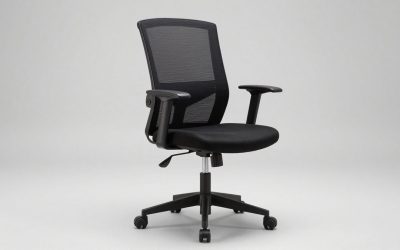
For people shopping by category rather than brand, searching ergonomic office chairs with adjustable lumbar support is a reasonable starting filter, since it excludes the fixed-lumbar budget chairs that cause the belt-line mismatch problem above.
Mesh vs. foam for hip pain specifically
Mesh seats distribute pressure more evenly across the sit bones and run cooler, which helps if your hip pain is partly pressure-point related (common with SI joint issues or after hip surgery). Foam seats feel more supportive initially but compress unevenly over time, and a worn-in foam seat with a dip in the middle can actually aggravate hip pain by rotating the pelvis slightly. If hip pain is your primary complaint, mesh with a seat depth adjustment is the safer default. If back pain is primary and hip pain is secondary, a firm foam seat with good edge support works well too.
Either way, a seat cushion add-on is a reasonable stopgap, not a real fix. A memory foam seat cushion for office chairs can help a mediocre chair feel better for a few weeks, but if the seat depth is wrong or the lumbar support doesn’t hit your curve, the cushion just delays the same pain by an hour or two.
Setup mistakes that undo a good chair
Even the right chair fails if it’s set up wrong. The three most common mistakes:
- Lumbar support set too high. People often raise it to mid-back because it feels like more contact, but mid-back support with no lower lumbar fill causes slouching below the pad, which is worse than no lumbar support at all.
- Seat height too high. If your feet dangle or you’re on your toes, pressure concentrates under the thighs and rotates the pelvis back, straining the lower back. Seat height should let your knees sit level with or just below your hips.
- Armrests ignored. If armrests are too low, your shoulders drop and rotate forward, pulling on the lower back through the lats. If they’re too high, shoulders shrug up and load the neck and upper back, which people often misread as a lumbar problem.
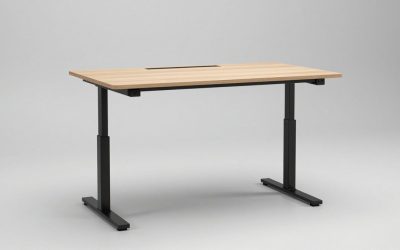
If you’ve bought a genuinely adjustable chair and pain hasn’t improved after two weeks of correct setup, the issue probably isn’t the chair. At that point a standing desk converter or a physical therapy consult will do more than a chair swap.