Our Top Picks
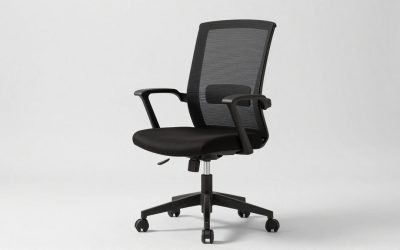
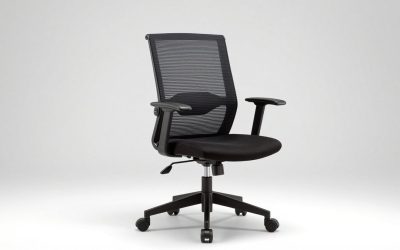
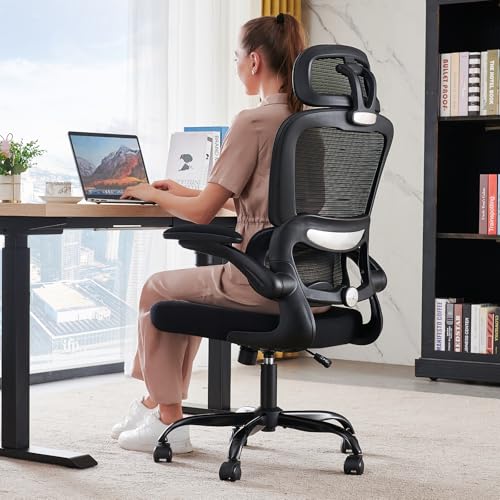 TRALT Office Chair Ergonomic Desk Chair with LumbarPack of 127.6 x 27.6 x 49.2 inches28 poundsCheck on Amazon
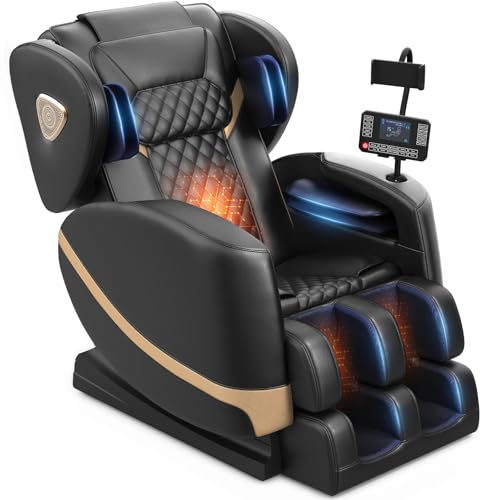 FURNIMAT Massage Chair Full Body Zero Gravity Recliner50 x 27 x 41.8 Inches125 PoundsCheck on Amazon

“Easy chair” is doing a lot of work in that search query. If you’ve got back pain and you’re shopping for something to sit in for hours — at a desk, reading, working from a laptop on your lap — what you actually need is good lumbar support and a seat that doesn’t force your pelvis to tilt backward. That’s an ergonomics problem, not a furniture-style problem. A plush recliner that looks comfortable in a showroom can wreck your lower back in three weeks if it lets your spine slump into a C-shape.
I’m going to treat this as what it usually is: someone with chronic or recurring lower back pain who needs a chair for long sitting sessions, whether that’s work or just daily life. The advice splits into two paths depending on whether you’re sitting upright at a surface or reclining.
What actually causes chair-related back pain
Three things, almost always:
First, no lumbar support, or support in the wrong place. The lumbar curve sits roughly 6-9 inches above the seat pan depending on your torso length. A fixed lumbar bump that doesn’t match your height just presses on the wrong vertebrae and you end up fighting it.
Second, a seat pan that’s too deep. If the front edge digs into the back of your knees, you’ll unconsciously slide forward, which drops your lower back away from any support that exists. This is extremely common and almost nobody checks for it before buying.
Third, soft, non-adjustable cushioning that collapses under you within a year. Memory foam that felt great in the store compresses permanently after 12-18 months of daily use, and then you’re sitting on a hammock with no structure. This is the single most common failure mode I see reported with budget “ergonomic” chairs and with soft recliners alike.
If you’re sitting at a desk: get an adjustable task chair
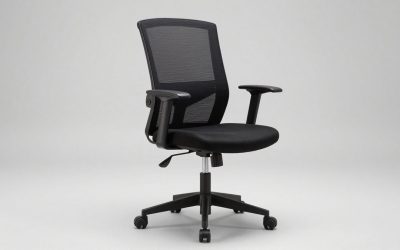
For desk work, a mesh or cushioned ergonomic office chair with an adjustable lumbar mechanism beats a recliner every time, including for comfort over an 8-hour day. The adjustability is the point — you can move the lumbar support to match your actual spine, not an average spine. Look for a chair with independent lumbar height adjustment (not just tilt tension), seat depth adjustment, and a seat pan under 20 inches deep, or one that slides.
Budget tier (under $200) gets you basic lumbar support, usually a fixed pad, and mesh that holds up fine for a couple of years. It’s genuinely fine for people with mild, occasional back pain or who sit less than 6 hours a day. Don’t let anyone tell you that you need to spend $900 to sit without pain — plenty of people don’t.
Where the cheap chairs fall short is adjustability range and long-term cushion durability. If you have a diagnosed issue — disc problems, sciatica, chronic lower back pain — the adjustable lumbar depth and seat depth sliders on mid-range chairs ($300-$600) earn their price, because they let you dial in support instead of hoping the fixed curve matches you. You can browse a reasonable range of ergonomic office chairs with adjustable lumbar support to compare what’s in stock.
| Chair type | Price range | Good for | Common failure point |
|---|---|---|---|
| Basic mesh task chair | $100-$200 | Mild/occasional back pain, under 6 hrs/day sitting | Fixed lumbar bump doesn’t fit everyone; cushion softens by year 2 |
| Mid-range ergonomic chair | $300-$600 | Chronic pain, 8+ hr workdays, taller/shorter than average | Mechanisms (tilt lock, lumbar dial) are the first thing to loosen or fail |
| Recliner / “easy chair” | $400-$1500 | Reading, TV, short rest periods, not sustained work posture | Encourages slumped pelvis if lumbar zone isn’t separately supported |
| Zero-gravity / orthopedic recliner | $600-$2000+ | People who genuinely need to recline to offload the spine (disc issues, post-surgery) | Expensive, large footprint, not useful for active work |
If you actually want a reclining chair
Some people with back pain do better reclined — it offloads disc pressure in a way upright sitting doesn’t, especially for herniated discs or sciatica flare-ups. If that’s you, don’t buy a generic cushy recliner. Look specifically for a “zero-gravity” or orthopedic recline chair, where the backrest and footrest move together so your knees stay elevated near heart level and your spine stays in a straight line instead of folding at the hips. A regular recliner that just tips the backrest back while your legs stay low can actually increase lumbar strain, because your lower back is unsupported in the gap between seat and backrest.
Check for a separate, adjustable lumbar cushion or built-in lumbar zone — most true orthopedic recliners have this; most big-box recliners don’t. If you’re shopping this category, search for zero-gravity recliners for back pain rather than generic recliners, since the listings differ meaningfully in whether they’re built around spinal alignment or just softness.
When a $30 fix beats a new chair
If your current chair’s frame and seat depth are fine and the only problem is lumbar support, a standalone lumbar cushion solves it for a fraction of the cost of replacing the chair. This is honestly the right call more often than people expect — I’d try this before spending $400+ on a new chair if your existing seat isn’t actively falling apart. A decent lumbar support cushion for office chairs runs $20-$40 and straps to almost any chair, including dining chairs and car seats, which a $600 ergonomic chair obviously can’t do.
The failure mode here: cheap lumbar cushions made of solid foam go flat in 6-12 months. Look for ones with an adjustable strap and a slightly firmer foam core, not the softest one on the shelf — soft feels nice for the first ten minutes and does nothing after that.
What to actually buy
If you sit at a desk most of the day, buy an adjustable task chair, not a recliner — comfort for long static work comes from support you can tune, not softness. If you need to recline to manage disc-related pain, get a zero-gravity design specifically, not a generic plush recliner. And if your chair is otherwise fine, try a $30 lumbar cushion before you replace anything. The expensive option isn’t always the right one; it’s the right one when your pain is chronic, your sitting hours are long, and a fixed-shape cushion has already proven it doesn’t fit you.