Our Top Picks
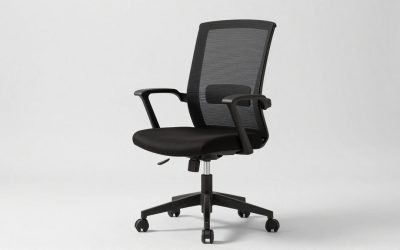
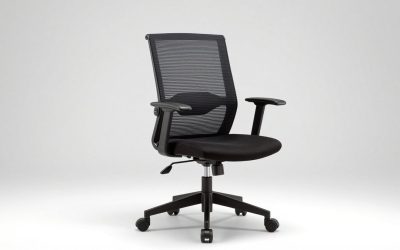
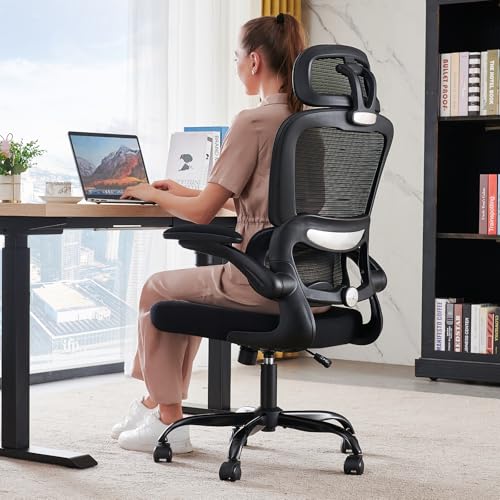 TRALT Office Chair Ergonomic Desk Chair with LumbarPack of 127.6 x 27.6 x 49.2 inches28 poundsCheck on Amazon
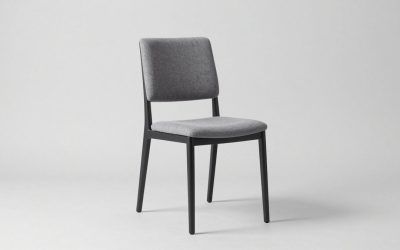
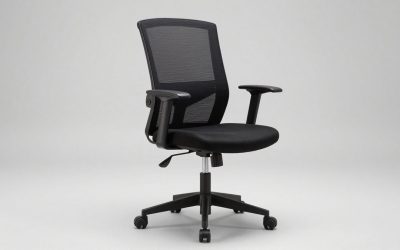
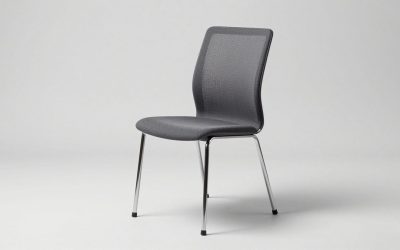
 GTPOFFICE Executive Office Chair with Comfortable Lumbar Support24.4 x 18.5 x 41.7 inches18.5 x 24.4 x 41.7 inches18 PoundsCheck on Amazon
Pros & cons
- High-resilience foam seat resists flattening over time
- Class 3 BIFMA-certified gas lift resists height sinking
- Metal-core base supports up to 330 pounds
- 17.3-inch seat depth may not suit taller users
- At 28 pounds, assembly needs some physical effort
Pros & cons
- S-shaped backrest curve supports natural spine posture
- Meets SGS and BIFMA certification for stability
- Flip-up armrests let the chair slide under the desk
- PU leather surface needs wiping to avoid sweat buildup
- 300-pound capacity trails some heavier-duty chairs
Neck pain from an office chair almost never starts at the neck. It starts lower down, usually at the lumbar support or the headrest geometry, and the neck just absorbs the consequences. If you’re slouching because your lower back isn’t supported, your head drifts forward to compensate, and that posture loads your cervical spine with roughly three times the weight your neck actually weighs. A chair that fixes this isn’t necessarily the most expensive one. It’s the one that gets a few specific measurements right for your body.
Why office chairs cause neck pain in the first place
Three failure modes show up again and again. First, a headrest that’s fixed in height and angle, so it either doesn’t touch your head at all or pushes it forward. Second, armrests that are too low or too far apart, which drops your shoulders and shortens the muscles that run up into your neck. Third, a seat pan that’s too deep, which forces you to slouch to reach the backrest, re-creating the forward head posture problem all over again.
TRALT Office Chair Ergonomic Desk Chair with Lumbar Support Black, 1 | 330 LBS Home Office Desk Chairs with Headrest, Reading Chair with Flip-up Armrests, Comfortable Computer Chairs Gaming Chair
Chosen because it specifies 330 LBS Home Office Desk Chairs with Headrest and Reading Chair with Flip-up Armrests.
View on AmazonGTPOFFICE Executive Office Chair with Comfortable Lumbar Support, Ergonomic Gaming Chair with Flip-up Armrests & Zoned Pressure-Relief Cushion, Comfy PU Leather Desk Chair, Black
Chosen because it specifies Comfy PU Leather Desk Chair and Black.
View on Amazon
TRALT Office Chair - Ergonomic Desk Chair with Adjustable Lumbar Support, Mesh Computer Chair, Executive Chairs for Home Office Comfortable Lumbar Support (Black)
Chosen because it specifies Ergonomic Desk Chair with Adjustable Lumbar Support and Mesh Computer Chair.
View on Amazon
Office Chair Ergonomic Desk Chair, Computer PU Leather Home Office Chair, Swivel Mesh Back Adjustable Lumbar Support Flip-up Arms Executive Task Chair
Chosen because it specifies Computer PU Leather Home Office Chair.
View on AmazonNone of these are solved by a softer cushion. They’re solved by adjustability that actually matches your body, which is why fit matters more than price point once you’re above the bottom tier of chairs.
What actually matters when you’re shopping
Skip the marketing copy about “ergonomic design” and check these five things instead:
Headrest adjustment range. You want both height and angle (tilt) adjustment, independently. A headrest that only moves up and down is nearly useless for neck support because it can’t match your head’s natural recline angle.
4D armrests. Height, width, depth, and pivot. If armrests only go up and down, your shoulders will compensate by rotating inward or shrugging, and that tension travels straight up the trapezius into the neck.
Seat depth adjustment. You should be able to fit 2-3 fingers between the back of your knee and the seat edge while your back is flush against the backrest. If you can’t, the seat is too deep for you and no amount of lumbar support will fix your posture.
Recline tension and lock. A chair that lets you lock in a slight recline (100-110 degrees) takes real load off the neck and lower back compared to sitting bolt upright for eight hours.
Lumbar support that’s adjustable in height, not just depth. Most lumbar curves are built for average torso length. If you’re short or tall, a fixed-height lumbar bump will hit the wrong spot entirely.
Headrest chairs vs. high-back chairs without a headrest
This is the first real decision point, and it’s not as obvious as it sounds. A dedicated headrest is useful if you spend meaningful time reclined, like on calls or reading on screen. But if you’re actively typing most of the day, your head is upright and forward anyway, and a headrest does nothing for you in that position — your neck support is coming from the lumbar and upper back contact instead. In that case, a well-shaped high-back without a headrest, properly adjusted, works just as well and is usually cheaper.
| Chair type | Best for | Typical price range | Main limitation |
|---|---|---|---|
| Headrest + mesh back | Mixed upright/reclined work, video calls | Check on Amazon | Headrest useless if you never recline |
| High-back, no headrest | Mostly upright typing/focus work | Check on Amazon | No support if you do recline often |
| Budget task chair with lumbar pad | Short sessions, secondary rooms | Check on Amazon | Fixed or minimal lumbar, generic fit |
| Posture/kneeling chair | Short-term core activation, not all-day use | Check on Amazon | Causes its own neck strain over long hours |
If you’re not sure which camp you’re in, track your own posture for a day. Most people are upright for 80% of work and reclined for calls or breaks, which argues for a chair with a headrest you can flip out of the way or angle down flat when it’s not needed. You can browse a decent range under ergonomic office chairs with adjustable headrests to compare how the recline mechanisms differ.
When the cheaper chair is genuinely fine
The expensive adjustability (4D arms, seat depth sliders, independent headrest tilt) earns its price over long sitting hours, not short ones.
Where I’d stop buying cheap: if you already have diagnosed neck or cervical issues (herniated disc, chronic tension headaches, previous whiplash), the extra adjustability isn’t a luxury, it’s the difference between a chair that accommodates your range of motion and one that forces you into someone else’s average.
Fixing a chair you already own
Before buying anything, try this: raise the chair so your elbows are at 90 degrees at the keyboard, pull the seat in so your back touches the lumbar support, and check if your monitor top is at eye level. A huge share of “chair-caused” neck pain is actually monitor height. If your screen sits even 2 inches too low, you’ll crane your neck forward regardless of how good the chair is.
If the chair itself is the problem — no lumbar adjustment, no seat depth control, armrests you can’t move — a clip-on lumbar cushion and a cheap headrest attachment can buy you another year before replacement. Full lumbar support cushions for office chairs
The Adjustment Checklist for a Neck-Friendly Chair
Because neck strain usually begins lower in the body, the useful question is which adjustments let the chair fit you from the bottom up. The table summarizes the controls that matter and what to look for in a listing.
| Control | What to look for | Why it matters for the neck |
|---|---|---|
| Seat height | A range that lets the feet rest flat at your desk height | Dangling feet tip the pelvis and round the back |
| Seat depth | A slide or tilt that leaves a couple of fingers behind the knee | A deep seat pulls you away from the backrest |
| Lumbar support | Height or depth adjustment | Without it the lower back flattens and the head drifts forward |
| Armrests | Height and width adjustment at minimum | Unsupported arms pull on the shoulders and neck |
| Backrest recline | Adjustable tension with a lock | Lets the spine rest without collapsing |
| Headrest | Height and angle adjustment | Supports the head when leaning back; a rigid pad can push it forward |
Step-by-Step: Adjusting the Chair in the Right Order
- Start with seat height. Sit all the way back, then raise or lower the seat until the thighs are roughly level and the feet are flat.
- Set seat depth. Leave a small gap behind the knees so circulation is not pinched.
- Position the lumbar support. It should fill the small of the back, not push the pelvis forward.
- Adjust the recline tension. The backrest should move with you without needing effort to hold it upright.
- Raise or lower the armrests. Elbows should rest close to the body with shoulders relaxed.
- Set the headrest last. It should meet the back of the head when you lean back and stay clear when you sit upright.
- Finally, move the screen. Its top edge should sit near eye level so the neck stays neutral.
Which One Should You Buy?
| If you… | Choose… |
|---|---|
| Recline often to read or take calls | A headrest chair with a lockable recline |
| Prefer to sit upright and work in focused sessions | A high-back chair without a headrest, with strong lumbar and armrest adjustment |
| Have a heavy-use home office | A chair whose listing states a weight capacity and a warranty on the mechanism |
| Are on a tight budget | A basic task chair with adjustable seat and armrests, paired with a monitor stand |
Common Mistakes When Buying an Ergonomic Chair
- Buying on feature count. More levers do not help if the seat height range does not match your desk.
- Trusting the term ergonomic. It is a marketing label rather than a measured standard; look for the actual adjustment ranges.
- Overlooking the certification. Many office chairs are made to follow the BIFMA durability standard for office seating, which says something about structural durability, though not about fit.
- Ignoring weight capacity. A chair used near its limit flexes and wears quickly.
- Leaving armrests at the factory setting. They commonly sit too high for smaller users.
Questions
How can you tell if the headrest is in the wrong place?
If you feel pressure at the back of the skull while sitting upright, or the chin pushes upward, the pad is too far forward or too high. It should touch lightly only when you recline.
Is mesh better than foam for the neck?
Neither material fixes the neck by itself. Mesh breathes and holds its shape for long sessions, while quality foam can feel more cushioned. The geometry of the support matters more than the surface.
Can neck pain be eased by adjusting an existing chair?
Often partly. Seat height, armrest height, and screen height cost nothing to change, and following the order above reveals what the existing chair can and cannot do.
Should the chair tilt back while typing?
A slight recline of the backrest with the arms supported is generally comfortable, but a deep recline makes the head tip forward to see the screen unless the monitor is moved back too.
Measure Yourself Before You Shop
Many fit problems begin with a chair chosen without any body measurements. A few minutes with a tape measure makes a listing’s specifications meaningful.
- Lower leg length. Measure from the floor to the back of the knee while seated. The chair’s seat height range should include this number once shoes are on.
- Thigh length. Measure from the back of the pelvis to the back of the knee. The seat depth should be a few inches shorter than this.
- Seated elbow height. Measure from the seat to the bottom of the elbow with the upper arm hanging down. This guides armrest and desk height.
- Seated shoulder height. This shows whether a high-back or headrest model reaches the shoulders and head at all.
- Desk height. Measure from the floor to the underside of the desk surface to confirm the chair can slide under it with the armrests low.
Troubleshooting: Neck Still Hurts With the Chair Adjusted
If the chair is set up in the order above and the neck still complains, the cause often sits outside the chair. Work through these possibilities in turn.
- Screen position. A screen set too low pulls the head down, while one set too high tilts it back.
- Glasses prescription. An outdated prescription or a bifocal zone can pull the head into an unnatural position.
- Desk clutter. Reaching across a crowded desk twists the torso and shoulders.
- Sleep setup. A pillow that is too thick or too flat can leave the neck sore before the day even starts.
- Duration. If symptoms persist for weeks or spread into the arms, a clinician is the right next step instead of another chair.
Choosing Between Mesh, Foam and Fabric Surfaces
Surface material changes how the chair feels over a long day, though it matters less than the adjustment range. Mesh backs breathe and flex slightly, which suits warm rooms and long sessions, but a thin mesh can feel unsupportive at the shoulder blades unless the frame is well shaped. Molded foam keeps its shape and spreads pressure, though it holds more heat. Fabric upholstery over foam feels softer at first and wears depending on the density of the foam beneath. Whichever surface you choose, press on the seat and backrest if you can: a surface that bottoms out quickly will let the pelvis sink and the spine round, which is exactly the chain of events that sends strain up to the neck.
Quick questions to settle the choice
- Do you run warm? Favor mesh.
- Do you want a more upholstered feel? Look for dense, molded foam.
- Do you often adjust position? Choose a lighter chair on smooth casters.
- Do you have hard flooring? Choose casters suited to hard floors so the chair does not roll away.