Our Top Picks
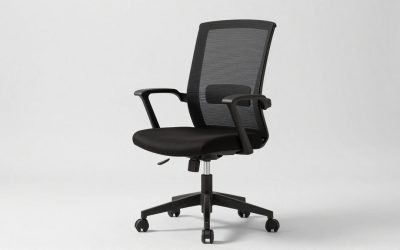
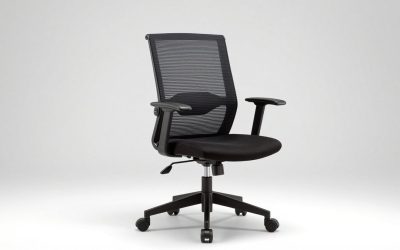
 ErgoSift Ergonomic Office Chair with Adjustable Seat Depth4D+without headrest12.2 x 20.87 x 30.31 inches43.65 PoundsCheck on Amazon


If you’re under about 5’4″, most “ergonomic” office chairs are working against you before you even sit down. The seat pan is too deep, so you either sit with your back off the lumbar support or let your knees dangle past the edge. The seat height at its lowest setting still leaves your feet hovering. And the armrests, designed around a taller torso, end up too high no matter how far down they go. None of this is really about ergonomics in general — it’s about ergonomics for a body that most chair designers didn’t test with.
The fix isn’t finding a cheaper or more expensive chair. It’s finding one with the right adjustment range for your actual measurements, and knowing which specs matter more than others when you’re shorter than average.
The three measurements that actually matter
Before looking at any chair, measure yourself sitting in a normal chair with your feet flat on the floor:
Seat height range. You want your feet flat on the floor with your knees at roughly 90 degrees, thighs parallel to the ground. Most “standard” office chairs bottom out at 17-18 inches. If your lower leg (floor to back of knee) measures less than 17 inches, which is common if you’re under 5’3″, you need a chair that goes lower, usually in the 15-16 inch range at minimum height. This is the single most important spec and the one most people skip checking.
Seat depth. This is the distance from the front edge of the seat to the backrest. If it’s too long, you can’t reach the lumbar support without sliding forward, which defeats the entire purpose of back support. For most people under 5’4″, you want a seat depth of 16-18 inches, often with a sliding seat pan so you can shorten it further. Fixed-depth chairs built around a 19-20 inch seat are a common failure point.
Armrest height range. Armrests that don’t go low enough force your shoulders up, which causes neck and shoulder tension over a full workday. Look for a minimum armrest height around 7 inches above the seat, not just a high maximum.
Why a footrest is often the real fix
Here’s the honest trade-off: a chair that goes low enough for your feet to sit flat often also sits too low for a standard-height desk, especially if your desk is a fixed 29-30 inches. You end up choosing between proper leg position and proper desk clearance. A footrest solves this without needing an unusually low chair. It’s a $20-40 fix compared to chairs that cost $300+ specifically for extended-low adjustability, and in practice it works just as well for most people. If you already own a decent chair and the only problem is your feet don’t reach the floor, start with a adjustable office footrest before replacing the chair entirely.
What to prioritize by budget
Not every short person needs a $500 chair with every adjustment dial available. Here’s roughly what you get at different price points, based on the specs that matter most for smaller frames.
| Price range | Seat height range | Seat depth adjustment | Realistic fit for under 5’4″ |
|---|---|---|---|
| $100-180 | 17-21 in (rarely lower) | Usually fixed | Needs a footrest; depth may still be an issue |
| $200-350 | 15.5-20 in | Sliding, 2-3 in range | Good fit without extra accessories for most people 5’0″-5’4″ |
| $400-600 | 15-20 in | Sliding, often with tilt-depth combo | Best fit, plus finer lumbar and armrest tuning |
The jump from the bottom tier to the middle tier is the one that actually matters for a shorter frame — that’s where seat depth adjustment usually appears. The jump from mid-tier to high-end buys you better materials and finer tuning, not a fundamentally different fit. If budget is tight, spending to get into that $200-350 range does more for you than any other single upgrade.
What to actually look for when shopping
Skip chairs marketed with vague terms like “ergonomic design” with no numbers attached. Look specifically for listed seat height range and seat depth adjustment in the spec sheet — if a listing doesn’t mention either, assume it’s built around average-to-tall proportions. Searching for a ergonomic chair with adjustable seat depth as a starting filter will cut out most of the chairs that won’t work for you, regardless of brand.
If you’re also petite in build (not just height), narrower seat pans matter too — a wide seat with no side support lets you lean sideways over a long day, which shows up as lower back fatigue even if the lumbar support itself is good. Some brands sell small-frame or petite versions of their standard models with a narrower seat and shorter seat-to-floor range; it’s worth searching for a petite ergonomic office chair specifically, since the standard product listing for the same chair line often won’t surface these variants.
Common mistakes
The most common mistake is buying based on lumbar support quality alone. A great lumbar curve does nothing if your seat depth keeps you from reaching it. The second most common mistake is assuming “adjustable” means adjustable enough — always check the actual numbers in inches, not just the word adjustable in the title. The third is skipping the footrest option out of a sense that it’s a workaround rather than a real fix. It isn’t a workaround. For a lot of people, a mid-range chair plus a $30 footrest outperforms an expensive chair with no footrest, because it solves both the height and depth problem at once without needing one chair to do everything.