Our Top Picks
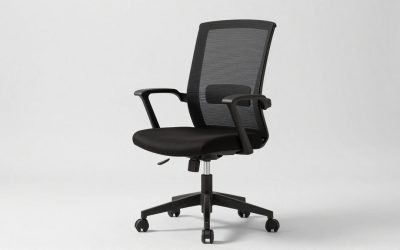
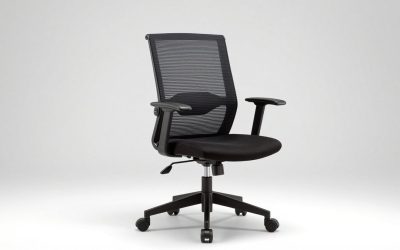
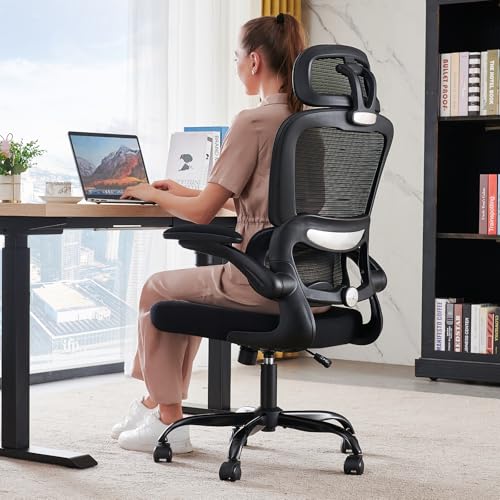 TRALT Office Chair Ergonomic Desk Chair with LumbarPack of 127.6 x 27.6 x 49.2 inches28 poundsCheck on Amazon

Lower back pain from sitting usually isn’t about the chair being “bad.” It’s about a mismatch between the chair’s support points and your spine, body weight, and how long you actually sit still each day. A chair that works for an 8-hour desk job with a 200-pound frame can be wrong for someone 5’3″ doing 3 hours of occasional work. Before you spend money, it helps to know what’s actually causing the ache and which chair features fix which problem.
What’s actually causing the pain
Most sitting-related back pain comes from one of three things: no lumbar support (so your lower spine flattens into a C-curve), a seat pan that’s too deep or too shallow (so you either slouch or perch), or a chair that doesn’t let you move. Static posture, even a “good” one, held for hours is its own problem. Your discs and muscles need load variation, not just correct alignment.
This matters because it changes what you should pay for. A $150 chair with adjustable lumbar support and a seat you can shift your weight on will often beat a $700 chair with fixed lumbar curve that doesn’t match your spine.
The features that actually matter
In order of importance for back pain specifically:
Adjustable lumbar support (depth and height, not just presence). A lumbar bump in the wrong spot does nothing. You want to move it up or down until it sits in the small of your back, roughly belt-line height for most people.
Seat depth adjustment. If the seat pan is too long, you either slouch forward off the backrest or sit with the edge cutting behind your knees, which cuts circulation and makes you shift into bad posture anyway. There should be a 2-3 finger gap between the seat edge and the back of your knee.
Recline tension and lock. Being able to lean back 10-15 degrees and lock it there takes real load off your lumbar discs. A chair that only does upright or full recline isn’t giving you that middle option.
Seat pan material and width. Memory foam feels good in a showroom and compresses unevenly after 18 months. Firmer, higher-density foam or mesh holds its shape longer and actually distributes weight better over a workday.
Armrests, headrests, and build quality matter for comfort and longevity, but they don’t fix back pain the way the first four items do.
Chair types and who they’re actually for
| Chair type | Best for | Watch out for |
|---|---|---|
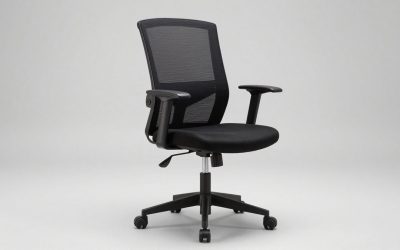
| Standard ergonomic mesh chair | Office use, 6-8+ hrs/day, people who need adjustability | Cheap versions have non-adjustable lumbar bump that’s purely cosmetic |
| Kneeling chair | People who slouch badly and want forced upright posture | No back support at all; bad for anyone with knee issues or over 2-3 hrs continuous use |
| Saddle/active stool | Short bursts, people who want to engage core, standing-desk hybrid use | No lumbar support, tiring for full workdays |
| Big and tall ergonomic chair | Users over 250 lbs or over 6’2″ | Standard chairs undersize the seat pan and under-rate the gas cylinder for larger frames |
| Budget task chair with lumbar pad | Light use, under 4 hrs/day, tight budget | Foam breaks down in 1-2 years; fine for the price if you treat it as disposable |
If you sit most of the day, a proper ergonomic office chair with adjustable lumbar support is worth the money. The adjustability is what you’re paying for, not the brand name.
Where the cheaper option is actually fine
If you work from home part-time, sit less than 4 hours a day, or are buying for a kid’s desk, don’t spend $500+. A $100-180 chair with a built-in lumbar curve and basic height/tilt adjustment covers that use case. The failure mode on cheap chairs is predictable: foam compresses and the gas cylinder sags after 12-18 months of daily 8-hour use. If that’s your use case, you’re better off buying mid-range and replacing it in 3 years than overspending on a premium chair whose main advantages (adjustability range, mechanism durability, breathable materials) you won’t stress-test anyway.
Where premium chairs earn their price: daily 8+ hour sitting, existing back issues (herniated disc, sciatica, chronic lower back pain), or body types outside the “average” range standard chairs are designed for. In those cases the adjustability range and mechanism durability actually get used every day, and a cheap chair’s flat lumbar curve will aggravate the exact problem you’re trying to solve.
Add-ons worth considering
A standalone lumbar support cushion is the cheapest fix if your current chair is otherwise fine but lacks adjustable lower back support. It won’t fix a chair with a bad seat pan or broken mechanism, but it solves the single most common complaint for $20-40 instead of replacing the whole chair.
A footrest helps if your feet don’t sit flat with knees at 90 degrees, which is common for anyone under 5’4″ using a standard-height desk. Hip and knee angle below 90 degrees from dangling feet pulls your pelvis and lower back out of neutral position even in an otherwise good chair.
What to actually do
Sit in whatever chair you have now and check two things: can you adjust the lumbar support to hit the actual curve of your lower back, and is there a 2-3 finger gap behind your knees when seated fully back. If either answer is no, that’s your fix, not necessarily a whole new chair. If both are already right and you still hurt after an hour, the problem is likely how long you’re sitting without moving, not the chair itself. No chair, regardless of price, replaces getting up every 45-60 minutes.