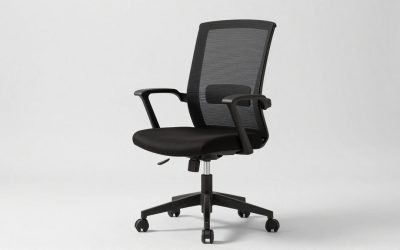
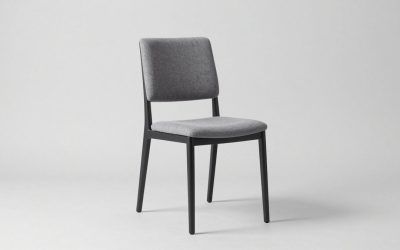
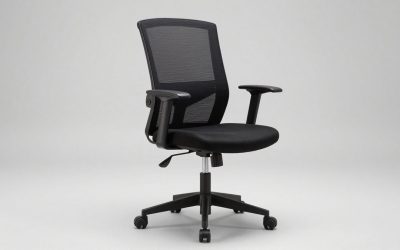
Our Top Picks


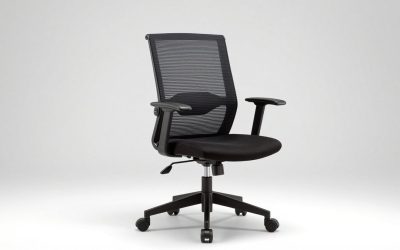
If you’re sitting eight-plus hours a day, the chair matters more than almost anything else in your home office. More than the desk, more than the monitor arm. A bad chair doesn’t just feel uncomfortable, it causes real problems: lower back pain by hour four, numb legs from poor circulation, hip pain from sitting on worn-out foam. I’ve gone through three chairs in the past six years testing this, from a $120 mesh chair to a $900 ergonomic one, and the differences are real but not always where you’d expect.
What actually matters for long sitting sessions
Four things determine whether a chair works for long hours: lumbar support that hits your actual lower back (not just “has lumbar support” on the spec sheet), seat depth you can adjust, armrests that move in at least 3-4 directions, and recline tension you can lock or control. Everything else, mesh vs fabric, headrest or not, is secondary comfort.
Seat depth gets overlooked constantly. If the seat pan is too long, the edge digs into the back of your knees and cuts circulation, which is what causes that numb-leg feeling after two hours. You want 2-4 finger-widths of space between the edge of the seat and the back of your knee when you’re sitting all the way back. Most budget chairs don’t offer seat depth adjustment at all, which means fit depends entirely on your torso length matching whatever the manufacturer assumed.
What you get at each price tier
I’ll be blunt about where the money goes, because a lot of marketing in this category is noise.
| Price range | What you get | What’s missing | Good for |
|---|---|---|---|
| $100-$180 | Basic mesh back, fixed or 2D armrests, simple recline | Seat depth adjustment, real lumbar fit, durable gas cylinder | Light use, under 5 hrs/day, smaller budget |
| $250-$450 | Adjustable lumbar, 3D-4D armrests, seat depth slide, better recline tension | Premium materials, long-term warranty, headrest sometimes | Full-time desk work, most people |
| $600-$1200 | Dynamic lumbar, synchro-tilt mechanism, high-density foam or weave, 10+ yr warranty | Not much, diminishing returns kick in | 12 hr/day users, back problems, long-term investment |
The jump from $150 to $350 is where you actually feel the difference, because that’s where seat depth adjustment and real lumbar support usually appear. The jump from $400 to $900 is smaller in day-to-day feel and mostly buys you warranty length and build quality that pays off over 8-10 years of daily use. If your budget caps at $200, don’t feel like you’re missing something essential, just prioritize lumbar adjustability over mesh breathability or looks.
Mesh vs. foam, and why it’s not just a comfort question
Mesh backs breathe better and don’t compress over time, which matters if you run warm or sit in a room without great airflow. The trade-off is mesh seats (not backs) can feel firm after long hours since there’s less give than foam. Foam/fabric seats feel better in the first year but the foam compresses, usually noticeable by year two or three on cheaper chairs, and once it compresses you lose the support that made it comfortable in the first place. If you’re buying for the long haul, look for high-density foam specs (anything cheap won’t list density, which tells you something) or go mesh and accept the firmer seat pan.
Fit matters more than features
A $900 chair that doesn’t fit your body is worse than a $200 chair that does. If you’re under 5’4″ or over 6’2″, pay attention to seat height range and seat depth range specifically, since most chairs are designed around a 5’6″-6’0″ range. Larger seat pans and higher weight ratings exist in big and tall office chairs, which also tend to have reinforced gas cylinders that won’t sag under heavier loads over time, a real failure mode on standard chairs rated for 250 lbs that get used by someone heavier.
If you want a reasonable starting point without overthinking it, searching ergonomic office chairs with adjustable lumbar support and filtering by seat depth adjustment in the product description will get you into the right tier fast. Avoid chairs where the only adjustment described is height.
Failure modes to watch for
A few things that go wrong even with decent chairs:
Gas cylinders fail first, usually within 2-3 years on budget chairs, causing slow sink during the day. This is often not covered by short warranties and not worth repairing separately, factor it into total cost. Armrests that only move up and down (2D) end up either too wide for your desk or digging into your forearms when typing, since they can’t move inward. Tilt lock mechanisms on cheap chairs tend to loosen over months of use, so the chair starts rocking backward unintentionally, which is more than annoying, it changes your sitting posture without you noticing.
If you already have lower back issues, consider a chair with adjustable lumbar depth, not just height, since a lot of “ergonomic” chairs only let the lumbar pad slide up and down, not in and out. Depth adjustment is what lets the pad actually press into your lower back rather than floating in front of it.
Do you need a headrest
Only if you recline. If you work upright most of the day, a headrest just gets in the way and most people end up tilting it out of position within a week. If you lean back to think or take calls reclined, a headrest earns its keep by supporting your neck instead of letting your head drift forward, which causes neck strain faster than back strain actually does for a lot of people. It’s a feature worth paying for only if your work habits actually use it.