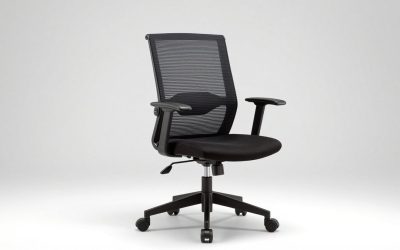
The Aeron doesn’t come with a headrest, and that’s not an oversight. Herman Miller designed it as a task chair for active sitting, leaning on the idea that your head shouldn’t need support while you’re working. For a lot of people that holds up fine. But if you spend time leaning back on calls, nap during breaks, or just have neck tension by 3pm, bolting on a headrest is a reasonable fix. The problem is almost none of the ones sold for the Aeron are made by Herman Miller, and the aftermarket options vary wildly in build quality.
Why the Aeron ships without one
The Aeron’s recline mechanism (PostureFit SL plus the tilt limiter) is tuned for a forward-to-upright range of motion. It wasn’t engineered around a reclined, head-supported posture the way something like a Steelcase Gesture or an executive chair might be. When you add a headrest, you’re retrofitting support onto a frame that didn’t plan for it, which is why fitment and adjustability matter more here than on chairs designed with one built in.
If you only recline occasionally and mostly sit upright and leaning forward, you probably don’t need a headrest at all. The money is better spent on a lumbar pillow or just adjusting your PostureFit SL correctly. Headrests make the most sense if you recline past 100-110 degrees regularly, work with dual monitors that keep your head tilted up, or have a cervical issue a doctor has flagged.
Fitment: the part people get wrong
The Aeron’s backrest frame is a continuous curved tube, not a flat panel, which is why generic headrests from universal “office chair headrest” kits often don’t clamp properly. Aftermarket Aeron headrests are built with a C-clamp or U-bracket shaped to the Aeron’s specific tube diameter and curvature. Before buying anything, check two things: your Aeron’s size (A, B, or C) and the generation (Classic pre-2016 or the Remastered version after). Some brackets fit both; a lot are size and generation specific, and the return process for a mis-fit clamp is annoying because it’s a bulky item to ship back.
If you’re not sure which Aeron you have, look at the lever shapes and the frame finish. Remastered models have a more rounded, mineral/graphite colored frame; Classics have a boxier look with pivot points visible at the back of the recline mechanism.
What actually matters in a headrest
Three things determine whether an aftermarket headrest helps or becomes clutter you remove after a month:
Height and angle range. You want at least 4-5 inches of vertical travel and a pad that tilts forward/back independently of the arm. Fixed-angle pads only work for one recline position, which defeats the purpose if you move between upright typing and reclined calls.
Clamp rigidity. Cheaper units use a plastic C-clamp that’s prone to slow slippage, the headrest arm drifts downward over weeks of use as the clamp loosens on the tube. Metal clamps with a secondary set screw hold position far longer. This is the single biggest difference between a $35 unit and a $90 one.
Pad shape. A wide, slightly concave pad supports the base of the skull without pushing your head forward. Narrow or flat pads tend to contact only the upper neck, which can push your chin down into a worse position than no headrest at all.
Headrest tiers compared
| Tier | Typical price | Clamp type | Good for | Common failure mode |
|---|---|---|---|---|
| Budget universal kits | $25-$40 | Plastic C-clamp | Occasional recline, light users | Clamp slips, pad angle fixed or wobbly |
| Aeron-specific mid-range | $60-$100 | Shaped metal bracket, single pivot | Daily use, moderate recline | Pivot loosens after 6-12 months, needs occasional re-tightening |
| Premium multi-adjust | $120-$180 | Metal bracket with dual pivot and set screw | Heavy recline users, shared/multi-user setups | Overkill if you rarely recline; higher price for marginal comfort gain |
For most people, the mid-range tier is the sweet spot. The budget tier is fine as a trial run if you’re not sure a headrest will even help you, since there’s no point spending $150 to find out you don’t like reclining with head support. You can browse options in that range by searching for an Aeron headrest attachment, which will surface both universal and Aeron-shaped clamps so you can compare bracket photos against your chair.
When a headrest isn’t the right fix
If your actual complaint is upper back and neck tension rather than needing head support during recline, the cause is often shoulder posture, not head position. A headrest won’t fix rounded shoulders from reaching too far forward to a keyboard or monitor. In that case look at your desk setup first, monitor height, keyboard distance, armrest height, before spending on a headrest. An ergonomic neck and shoulder support pillow used during breaks away from the chair sometimes addresses the underlying tension better than anything clamped to the chair itself.
If you’ve confirmed it’s genuinely a recline/head-support issue and you’re committed to the Aeron rather than switching chairs, also check your tilt tension knob under the seat. A headrest paired with tilt tension that’s too loose will let you recline further than the headrest’s angle range covers, which just moves the mismatch problem instead of solving it. Tighten the tension first, then reassess whether you still need the extra travel a premium headrest provides, or whether a mid-range one now covers your range just fine. For people who end up disliking any clamp-on solution, a standalone headrest pillow for office chair that straps to the frame is a lower-commitment alternative, though it won’t hold position as precisely as a rigid bracket.