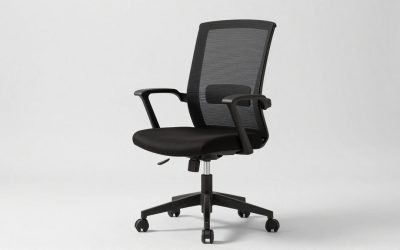
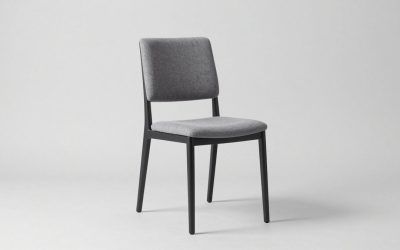
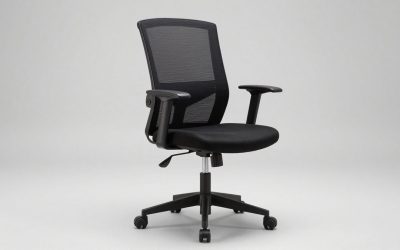
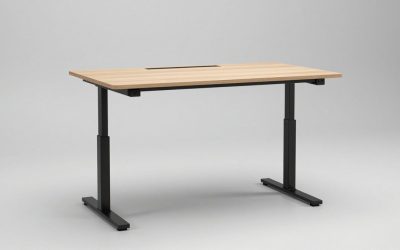
Our Top Picks


What “Cheap” Actually Buys You
Low cost usually means $70 to $180. Below $70 you’re mostly buying a chair that will physically fail within a year — armrests crack, the gas lift stops holding pressure, the mesh back tears at the frame. Between $70 and $180 you get into chairs with real gas cylinders rated for 250+ lbs, actual adjustable lumbar pads (not just a molded bump), and tilt tension knobs that work. That’s the range worth shopping in if you’re trying to save money without buying something that ends up in a landfill in eight months.
Above $180 you start seeing better materials — nylon bases instead of composite plastic, denser foam that resists compression, warranties that run 3-5 years instead of 1. Worth it if you sit 7+ hours a day. Not worth it if you’re furnishing a home office you use three days a week.
The Features That Actually Matter at This Price
Skip the marketing copy about “ergonomic design” and look at four things: seat height range, lumbar support type, armrest adjustability, and the base material.
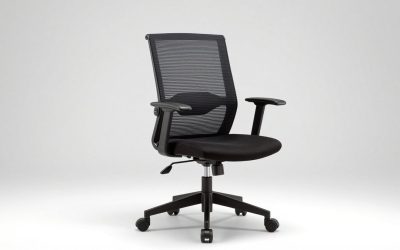
Seat height range should cover at least 17 to 21 inches to fit most desk heights. Anything less and you’ll end up with your knees above your hips or your wrists bent up at the keyboard. Lumbar support that’s adjustable (slides up/down, or has an inflatable pad) beats a fixed curve — fixed curves are designed for an average spine that doesn’t match most people’s. Armrests that only go up and down are fine; armrests that also pivot or slide in/out are a bonus but rarely show up under $150. Base material matters more than people think: nylon bases last, the cheaper fiberglass-reinforced plastic ones can crack if you lean back hard or the chair gets kicked while you’re in it.
If you’re specifically dealing with lower back pain, prioritize the lumbar adjustability over everything else, including mesh vs. fabric. A chair with a well-placed lumbar pad and mediocre cushioning will do more for your back than a plush chair with no lumbar shape at all. Browsing ergonomic chairs with adjustable lumbar support and filtering by price is a faster way to narrow this down than reading individual listing descriptions, which tend to overuse the word “ergonomic” regardless of whether it’s true.
Mesh vs. Fabric vs. Faux Leather
This is the first real trade-off decision, and it’s mostly about climate and how long you sit.
| Material | Breathability | Durability at low cost | Best for |
|---|---|---|---|
| Mesh back | High | Good — rarely rips if frame is solid | Hot climates, long sitting sessions, back sweating issues |
| Fabric | Medium | Fair — pills and stains over 1-2 years | General use, colder climates |
| Faux leather | Low | Poor at low cost — cracks and peels within a year | Short-term use, aesthetics over comfort |
Faux leather is the one to be skeptical of in the budget range. It looks the most “premium” in product photos, which is exactly why cheap chairs use it, but the coating is thin and it starts flaking at stress points — the seat edge, the armrest pads — faster than any other material here. If you want that look and don’t mind replacing the chair sooner, fine. If you want the chair to last, mesh is the safer bet in this price bracket.
Where Cheap Chairs Actually Fail
Three failure points show up over and over in the sub-$150 range:
The gas lift cylinder loses pressure and the chair slowly sinks over months. This is the single most common complaint in budget chair reviews, and there’s no fix — once it starts, it’s done. Cylinders are a wear item on cheap chairs because manufacturers cut cost there first.
The tilt mechanism’s tension knob strips its threads, so the chair either won’t lock upright or won’t tilt back at all. Minor annoyance, not a safety issue, but it’s permanent once it happens.
Armrest mounting points crack where plastic meets the seat pan, usually from someone using the armrest to push themselves up out of the chair repeatedly. Metal-reinforced mounts avoid this; all-plastic mounts under $100 often don’t have them.
None of these are reasons to avoid cheap chairs entirely — they’re reasons to check return windows and warranty length before buying, since a 1-year warranty at least covers the window where these failures are most common.
Do You Need a Separate Back Support?
If your current chair is otherwise fine — good height, decent cushion, just lacking lumbar shape — a standalone cushion is cheaper than replacing the whole chair and solves the actual problem for most people. A $25-40 cushion with an adjustable strap gets you 80% of what a $200 ergonomic chair’s built-in lumbar system does, for a fraction of the cost. It’s worth trying before you buy a new chair if lower back discomfort is your main complaint. You can compare options by looking at lumbar support cushions for office chairs — look for ones with a firm foam core, since the soft memory-foam-only versions compress flat within a few months of daily use.
Where a cushion won’t help: if the seat pan itself is too short (thighs hang off the edge) or the chair doesn’t recline, no accessory fixes that. That’s a chair problem, not a support problem.
The Honest Buying Guide
Buy cheap and replace in 2-3 years if you sit less than 5 hours a day, work from a laptop on the couch half the time anyway, or are furnishing a space you might move out of soon. The money saved outweighs the shorter lifespan.
Spend more up front if you have an existing back injury, sit 8+ hours daily, or you’re over 6’2″ or under 5’2″ — standard budget chairs are sized for an average frame and the adjustability range often doesn’t stretch far enough in either direction. In that case, it’s worth looking at big and tall office chairs rated for higher weight capacities and taller backs rather than forcing a standard budget frame to fit.
Either way, check the weight rating and seat depth before checking the price. A $90 chair rated for 300 lbs with the right seat depth for your leg length will serve you better than a $150 chair that’s the wrong size.