Our Top Picks


Buttock pain from sitting usually comes down to one of three things: not enough padding over your ischial tuberosities (the “sit bones”), a chair pan that’s too hard or too narrow, or hours logged without a position change. A cushion can fix the first two. It won’t fix the third, and no amount of foam makes an 11-hour sitting day comfortable. Set that expectation now, because it changes what you should buy.
What’s actually causing the pain
Sit bone pain is usually pressure concentration, not “softness” in the abstract sense. If a chair pan is flat and hard, your sit bones carry most of your body weight on two small points of contact. Over 30-45 minutes that turns into aching, and by hour three it can mimic sciatica (which it sometimes also triggers, since prolonged pressure can irritate the sciatic nerve path through the glutes).
There’s a separate failure mode: cushions that are too soft. A thick memory foam pad that lets your sit bones sink all the way to the chair pan underneath just moves the pressure point down a few centimeters without actually redistributing it. That’s why dense foam or gel-hybrid cushions usually outperform cheap all-foam pillows for this specific complaint.
The three cushion types that matter
Gel-infused foam cushions spread weight across a wider contact area and stay cooler than pure foam, which matters if you’re sitting 6+ hours. They run $25-45 and are the right default pick for most people with general sit-bone soreness.
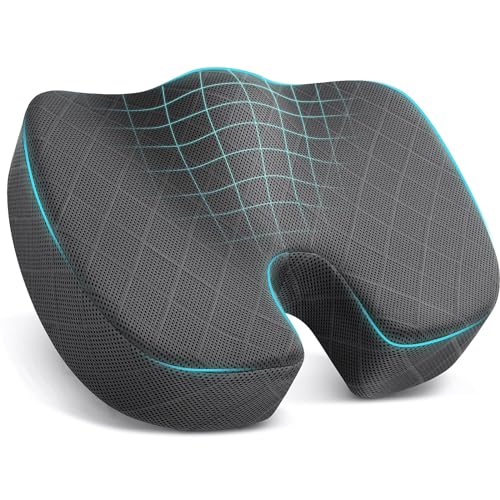
Coccyx (U-shaped cutout) cushions remove pressure from the tailbone specifically. They help a lot if your pain is centered on the tailbone itself rather than spread across both cheeks, but the cutout reduces total support surface, so some people find them less comfortable for all-day use. They’re a targeted tool, not a universal upgrade.
Honeycomb/lattice gel cushions (no foam core, just a gel matrix) give the most pressure redistribution but are heavy, don’t insulate against cold floors or AC vents, and cost more, usually $40-60. Worth it if foam has already failed you twice.
| Cushion type | Best for | Typical price | Downside |
|---|---|---|---|
| Gel-foam hybrid | General sit-bone soreness, all-day use | $25-45 | Loses some loft after 6-12 months |
| U-shaped coccyx | Tailbone-specific pain | $20-35 | Less total support surface |
| Honeycomb gel | Severe or chronic pain, long sitting blocks | $40-60 | Heavy, cold in winter, pricier |
| Plain memory foam | Mild, occasional discomfort | Bottoms out, limited pressure relief |
If you want to compare current options in the gel-hybrid category, which is the sensible starting point for most people, this search for gel seat cushions is a reasonable place to start. For tailbone-specific pain, coccyx cushions are worth comparing side by side.
Sizing is where most people get it wrong
A cushion needs to roughly match your chair pan’s width and depth, minus an inch or two on each side. Too large and it rides up against the chair’s armrests or back, pushing you forward off the backrest. Too small and your sit bones can land off the cushion’s edge entirely, which actually makes pressure worse than no cushion at all. Measure your chair seat before buying rather than trusting “universal fit” marketing. Most standard office chair seats are 17-20 inches wide and 16-18 inches deep.
Thickness matters too. Under 2 inches and you’re not getting meaningful pressure relief if you’re a heavier-set person or sit on a hard plastic/mesh pan. Over 3 inches and you risk raising your hip height enough to throw off your desk and keyboard ergonomics, which just trades one pain for another (wrist or shoulder strain).
What a cushion won’t fix
If your pain started suddenly, is one-sided, or radiates down the leg below the knee, that’s worth mentioning to a doctor rather than solving with foam, it can indicate disc or nerve issues a cushion can’t address. Cushions also don’t fix a chair that’s fundamentally the wrong size for your body. If your thighs don’t fit the seat pan depth or your hips are wider than the seat, no cushion changes that geometry.
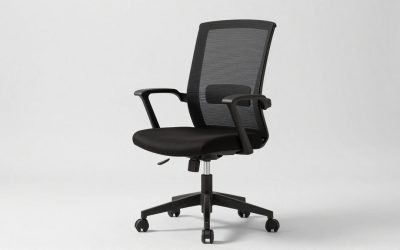
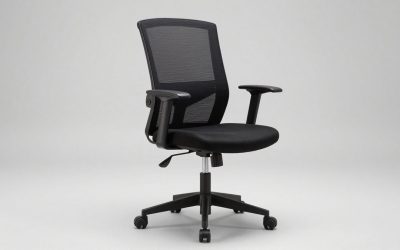
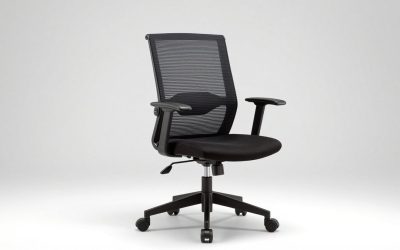
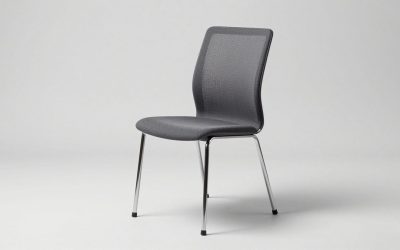
And if you’re getting sit-bone pain within 20 minutes of sitting down regardless of cushion, the chair itself may be the problem, not the padding. A chair with a worn-out or sagging seat pan foam (common after 5+ years of daily use) effectively has no cushioning left under whatever you add on top. In that case, it’s worth pricing out a replacement ergonomic chair instead of layering cushions on a dying one. A $30 cushion on a $0 broken chair is a worse buy than skipping the cushion and fixing the chair.
When the cheap option is genuinely fine
If your pain is mild, occasional, and tied to one long meeting day a week rather than daily 8-hour sessions, a basic $12-15 memory foam cushion is enough. You don’t need gel infusion or honeycomb construction to solve occasional discomfort, those premium features earn their price over months of daily heavy use, not light use. Save the upgrade budget for a chair with better lumbar support if that’s the more frequent problem.
Bottom line on picking one
Match the cushion type to where the pain actually is: tailbone gets a cutout, general soreness gets gel-foam, chronic daily pain gets honeycomb gel. Measure your seat pan before ordering. And if the chair itself is old or wrong-sized for you, address that first, because a cushion on a bad chair is a patch, not a fix.