Our Top Picks
 Everlasting Comfort Doctor Recommended Memory Foam Seat CushionLarge17.5 x 14 x 2.75 inches1.5 poundsCheck on Amazon
 CanDo Sitting Wedge Active Seat Wobble Cushion for10x10 Inch (Pack of 1)10 x 2.75 x 10 inches1 PoundsCheck on Amazon


Most posture complaints people blame on their chair are actually a seat cushion problem. The chair’s frame and backrest can be fine, but if the cushion has gone flat, sits too low, or tilts you backward into a slouch, your pelvis rotates and your lower back rounds no matter how good the lumbar support is. A cushion is a cheap fix to try before you spend $400 on a new chair.
What a cushion can and can’t fix
A cushion changes two things: seat height and pelvic tilt. Raising your seat height can get your hips above knee level, which naturally tips your pelvis forward and makes it easier to keep a neutral spine. A wedge-shaped cushion does this directly by sloping down toward the back of the seat. A standard flat cushion mostly just adds cushioning and height.
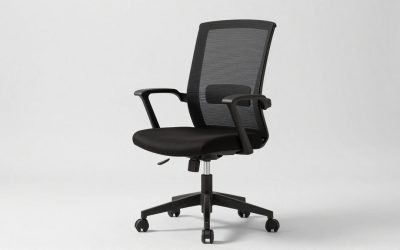
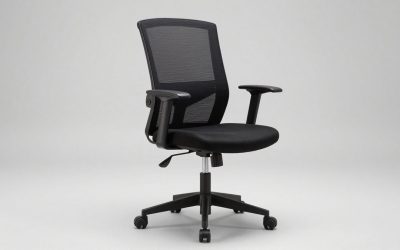
What a cushion can’t fix is a chair with no lumbar support or armrests set wrong. If your lower back has nothing to rest against, no amount of seat padding will stop you from slouching forward after 20 minutes. Fix the backrest situation first, then worry about the seat.
Wedge, flat, and coccyx cutout cushions
There are three shapes worth knowing, and they solve different problems.
| Type | Best for | Downside |
|---|---|---|
| Wedge (forward-sloping) | Anterior pelvic tilt, people who slouch backward | Takes getting used to, can feel like sliding forward at first |
| Flat memory foam | General comfort, hard or worn-out seat pans | Does nothing for pelvic position |
| Coccyx cutout (U-shaped) | Tailbone pain, prolonged sitting discomfort | Can encourage posterior tilt if too soft, not a posture tool by itself |
If posture is the actual goal, a wedge cushion is the one that does real work. The others are comfort upgrades that happen to make long sitting more tolerable, which indirectly helps posture because you’re less likely to squirm into bad positions out of discomfort.
Foam density matters more than brand
Cheap cushions fail the same way: the foam compresses permanently within 2-3 months and stops providing any lift. Look for memory foam rated above 3 lb density, or molded foam with a listed compression set rating. Gel-infused layers help with heat but don’t affect support. If a listing doesn’t mention density or firmness at all, assume it’s low-density foam that will pack down fast.
A cushion that’s too soft lets your sit bones sink all the way through to the chair pan, which defeats the purpose entirely. You should feel firm support within the first half inch of compression, not several inches of sinking.
Sizing: the part people get wrong
Cushions are usually sold in one size, but chair seat pans vary from about 17 to 20 inches wide. A cushion that’s too narrow lets your thighs hang off the edges and creates pressure points. One that’s too wide bunches up against the chair’s armrests or backrest, pushing you forward out of the lumbar support zone. Measure your seat pan width and depth before ordering, and if you’re between sizes, go slightly smaller rather than larger, since an undersized cushion is just less comfortable while an oversized one actively changes your position.
Thickness matters too. Anything under 2 inches compressed is mostly placebo. 3 to 4 inches of quality foam is the range that actually changes your hip height enough to matter.
When a cushion is the wrong fix
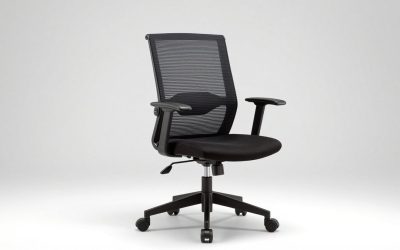
If your chair has no adjustable seat depth and the seat pan itself is too long, a cushion makes this worse by pushing you further forward, away from the backrest. If that’s your situation, the chair needs to go, not get patched. Similarly, if you’re over 5’10” and your current chair seat is already at max height with your feet still flat, adding a cushion will put your knees above your hips, which creates its own version of pelvic tilt problems. In both cases, you’re better off looking at an actual ergonomic office chair with better adjustability than layering a cushion on top of a chair that doesn’t fit you.
What to actually buy
For most people with mild slouching or a cheap chair with a flat, worn seat pan, a memory foam seat cushion in the 3-4 inch range is the right starting point. It’s a $20-35 purchase that solves 80% of seat-related discomfort.
If you specifically slouch backward or feel your lower back rounding by midday, go straight to a wedge posture cushion. It’s a more targeted fix and worth the slightly higher price, usually $30-45.
If tailbone pain is the main issue and posture is secondary, a coccyx cutout cushion addresses that directly, though pick one with firmer foam around the edges so you don’t lose pelvic support in the process.
Don’t overspend here. Past about $45, you’re paying for washable covers and brand name, not meaningfully better foam. The density and shape matter far more than the price tag once you’re above the $20 floor where foam quality starts being real.