Our Top Picks
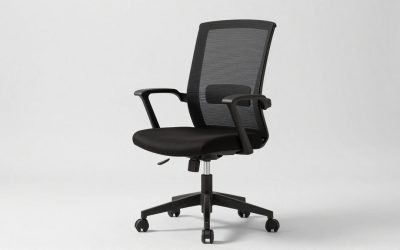
 CLATINA Ergonomic High Swivel Executive Chair with Adjustable1 pack-With headrest27.8 x 27.8 x 50 Inches60 poundsCheck on Amazon
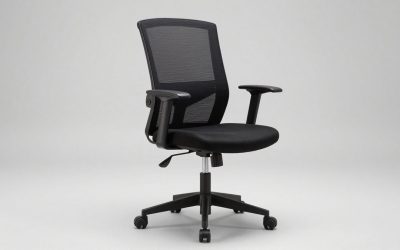
 CLATINA Office Chair Swivel Executive Chair1 pack-No headrest27.8 x 27.8 x 43.3 inches56.7 PoundsCheck on Amazon
The Clatina Ergonomic High Swivel Executive Chair is a solid mid-range pick for buyers who want a padded, executive-style seat without paying premium-brand prices — typically around $150–$250 depending on upholstery and configuration. The short version: choose the faux leather version if you want a plush look and easy wipe-down cleaning, and choose the mesh-back version if you run warm or regularly sit eight hours or more, because mesh backs generally outlast bonded leather surfaces by a couple of years before either material shows visible wear.
Spec Snapshot: What You’re Actually Buying
Clatina sells this chair in a few variants (faux leather high-back, mesh-back executive, and versions with and without flip-up armrests), so exact numbers shift slightly between listings. The figures below reflect the most common configuration — confirm the spec sheet for the exact version you’re considering.
CLATINA Ergonomic High Swivel Executive Chair with Adjustable Height Head 3D Arm Rest Lumbar Support and Upholstered Back for Home Office Black Mesh/High Back
Picked as a relevant option in this category.
View on Amazon
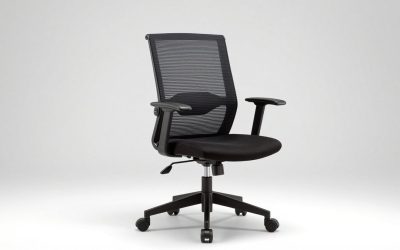
CLATINA Swivel Executive Chair, Adjustable Ergonomic Computer Chair with 3D Armrest and Lumbar Support, Mesh Backrest Task Chair for Home Office Conference Room
Chosen because it specifies Mesh Backrest Task Chair for Home Office Conference Room.
View on Amazon
CLATINA Ergonomic High Swivel Executive Chair with Adjustable Height Head 3D Arm Rest Lumbar Support and Upholstered Back for Home Office Black
Picked as a relevant option in this category.
View on AmazonCLATINA Office Chair Swivel Executive Chair, Adjustable Ergonomic Computer Chair with 3D Armrest and Lumbar Support, Mesh Backrest Task Chair for Home Office Conference Room Grey
Picked as a relevant option in this category.
View on Amazon| Specification | Typical Figure |
|---|---|
| Seat height range | ~17.5–21.5 in (gas-lift adjustable) |
| Seat width × depth | ~21 × 20 in |
| Overall height | ~44–48 in |
| Backrest height (seat to top) | ~27–30 in |
| Rated weight capacity | ~275 lb |
| Five-star base diameter | ~26 in |
| Recline range | ~90°–120°, tilt lock + tension knob |
| Shipped box weight | ~38–45 lb |
| Assembly time | 20–30 minutes, one person |
That seat height range comfortably fits most people between about 5’2″ and 6’1″ at a standard 28–30-inch desk. Above 6’2″, the lumbar zone and head area of the backrest tend to land too low on the spine.
Faux Leather vs. Mesh: The Durability Trade-Off
The upholstery choice is the single biggest longevity decision on this chair. Neither is “better” — they fail in different ways on different timelines.
| Factor | Faux Leather (PU) Version | Mesh-Back Version |
|---|---|---|
| Cushioning | Thick foam padding on seat and backrest | Padded seat; backrest is tensioned mesh over frame |
| Heat management | Traps body heat; warm in summer or non-AC rooms | Breathes well — the better pick for long, warm workdays |
| Typical first wear | Flaking/peeling at seat front edge and seams, often around 2–4 years of daily use | Mesh sagging or rubbing at frame contact points, typically 4–6 years |
| Cleaning | Wipes clean; resistant to spills and coffee drips | Crumbs, dust, and pet hair lodge in the weave; needs vacuuming |
| Pets | Cat claws puncture and peel PU quickly | Claws can snag and ladder the mesh |
| Look | Classic executive, reads well on video calls | Lighter, more modern, visually smaller in a room |
The practical takeaway: PU faux leather almost always peels eventually — it’s a coating over a fabric backing, and body oils, friction, and sunlight break it down. If you want this chair to look new in year four, mesh is the safer bet. If you want maximum padding and a traditional office look for the first few years, faux leather delivers that — just keep it out of direct sun and away from heating vents, which accelerate peeling dramatically.
Lumbar, Recline, and Adjustment Settings Explained
The chair has three meaningful adjustments. Setting them correctly matters more than the marketing copy suggests.
Lumbar support
Mesh-back versions carry a lumbar pad that adjusts vertically; faux-leather versions build the lumbar curve into the padded backrest shape. On the adjustable pad, the correct position puts the pad’s fullest point at your belt line — roughly the L3–L5 vertebrae. Adjust it while seated, not standing in front of the chair. If you feel pressure in your mid-back rather than the small of your back, the pad is one notch too high.
Recline and tilt tension
The tilt mechanism reclines from upright (~90°) to roughly 120°, with a lock at the upright position on most versions and a tension knob under the seat. Set the tension so the backrest supports you at a slight recline — around 100–110° — without actively pushing you forward when you relax into it. A common mistake is leaving the factory tension, which is usually set stiff; if you never recline, loosen the knob a quarter turn at a time until the back “floats” under your weight.
Seat height and armrests
The pneumatic lift covers roughly a 4-inch range. For desk work, set it so your elbows sit near 90° with forearms level with the desk surface. Armrests are padded; some versions are fixed and some flip up. Fixed arms matter for desk fit — see below.
Will It Fit Your Desk and Room?
- Desk clearance: Standard desks (28–30 in tall with a 24–26 in knee clearance) pair well with this chair. If your desk has a low apron or drawer unit, measure floor-to-apron height — fixed armrests sit around 25–28 in off the floor and can prevent the chair from sliding fully under the desk. Flip-up arm versions solve this.
- Footprint: The 26-inch base needs about 42 in of depth behind your desk for comfortable rolling and recline sweep. In a 10 × 12 ft room, the chair fits easily alongside a standard desk; below that, measure the gap between desk and bed/wall.
- Flooring: The stock casters roll fine on hard floors. On medium or high-pile carpet, expect drag — a polycarbonate chair mat (~36 × 48 in) is worth the small extra cost and also protects the carpet pile.
Assembly: What the Box Instructions Gloss Over
The chair arrives in one ~40-pound box — awkward rather than heavy, and manageable solo, though clearing a hallway path helps. Everything needed is included (a single hex key does the whole job). Expect 20–30 minutes:
- Step 1 — Unpack on carpet or cardboard to avoid scratching the seat. Count parts before starting: base, five casters, gas lift, seat, backrest, mechanism plate, screws.
- Step 2 — Press the five casters into the base by hand. They click in with firm pressure — no tools.
- Step 3 — Drop the gas lift into the base center, wide end down.
- Step 4 — Flip the seat upside down and bolt on the tilt mechanism and armrests (or the integrated arm/back bracket on executive versions). Leave every bolt slightly loose until all are started.
- Step 5 — Attach the backrest to its brackets, then torque all bolts fully.
- Step 6 — Lower the seat assembly onto the gas lift and sit down firmly once — your weight seats the tapered fitting. That’s the whole build.
- Step 7 — Re-tighten every bolt after the first two weeks of use. Initial settling loosens them slightly on almost every flat-pack chair.
How It Holds Up Over Long Workdays
For six-to-eight-hour sessions, the padding is comfortably above budget-chair level — the seat foam is thick enough that you’re not sitting “through” to the pan, which is the failure point of sub-$100 chairs. Realistically, expect this wear order under daily use:
- 12–18 months: Seat foam softens noticeably (normal for foam density in this price class).
- 2–4 years: PU leather begins flaking at the seat front edge — the highest-friction zone. Mesh versions skip this entirely.
- 3+ years: Gas lift may slowly sink under weight; replacement lifts are inexpensive and swap in minutes.
- Ongoing: Caster wheels collect hair and carpet fiber — pop them out and clean every few months.
The chair is best understood as a strong 3–5 year chair at its price, not a decade chair. That’s a fair trade at $150–$250, but buyers wanting true long-term durability should compare it against higher-tier ergonomic chairs in the $400–$700 range.
Which Version Fits Your Situation?
| Your Situation | Best Pick | Why |
|---|---|---|
| 8+ hour days, warm room | Mesh back | Airflow prevents the heat buildup PU traps |
| Executive look for video calls | Faux leather | Padded high back reads more formal on camera |
| Kids, coffee, frequent spills | Faux leather | Wipes clean in seconds; mesh holds stains |
| Cats that climb or scratch | Mesh (reluctantly) | Claws shred PU coating fastest; mesh damage is slower |
| Lower-back pain | Mesh with adjustable lumbar | Positionable pad beats fixed lumbar curve |
| Low-apron desk / tight clearance | Flip-up arm version | Arms raise so the chair slides fully under |
| Over ~250 lb | Check capacity carefully | Rated around 275 lb; heavier users should size up |
FAQ
Will it fit under a standard 29-inch desk?
Usually yes — the seat clears easily, but fixed armrests (~25–28 in high) may block it from sliding all the way in. Measure your desk’s underside clearance or choose a flip-up arm variant.
Is assembly really a one-person job?
Yes. The only awkward moment is lifting the ~25 lb seat assembly onto the gas lift — it’s a light lift, not a heavy one.
How long before the faux leather peels?
With daily use, expect visible flaking somewhere in the 2–4 year window, sooner with direct sun exposure or body heat. Wiping it monthly with a damp cloth (no harsh cleaners) extends the coating’s life.
Is the Clatina Ergonomic High Swivel Executive Chair good for eight-hour workdays?
Comfortable for it, yes — the padding and recline tension support long sessions well. For all-day use, the mesh-back version is the better pick purely on heat management and upholstery longevity.