Our Top Picks
 Everlasting Comfort Doctor Recommended Memory Foam Seat CushionLarge17.5 x 14 x 2.75 inches1.5 poundsCheck on Amazon


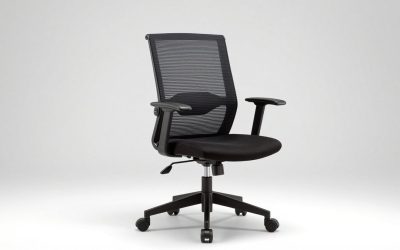
The Herman Miller Aeron is one of the few task chairs that ships with essentially no cushioning by design. The Pellicle mesh is meant to flex and distribute weight without foam, which is great for heat dissipation but leaves two problems most owners eventually run into: the front edge of the seat pan can dig into the back of your thighs, and the mesh itself provides very little tactile support once you’ve logged a few thousand hours in it. That’s why cushion add-ons for the Aeron are a real category, not just a gimmick.
Before you buy anything, figure out which problem you actually have. Thigh and knee numbness is a seat depth or edge pressure issue. Lower back fatigue is usually not something a seat cushion fixes at all – that’s a lumbar support problem, and the Aeron’s PostureFit SL is either doing its job or it isn’t. Tailbone pain while reclined is a seat cushion issue. These need different products, and buying the wrong one wastes money and doesn’t solve anything.
Why the mesh isn’t enough for some people
Aeron mesh has some give, but it’s tensioned fairly tight, especially on B and C size frames. If you weigh under 160 lbs you’ll feel more of the frame structure underneath you; above 230 lbs the mesh deflects more and the front lip of the seat pan becomes more noticeable against the thighs. Neither is a defect, it’s just the tradeoff of a suspension-based seat versus a foam one. People coming from a foam chair (Steelcase Leap, for example) often describe the Aeron as “harder” even though technically it’s just differently distributed pressure.
A seat cushion changes that distribution by adding a layer of foam or gel between you and the mesh. It doesn’t fix lumbar support, posture, or armrest height. Keep that distinction in mind or you’ll end up disappointed.
What to actually look for in a cushion
Three things matter more than brand name:
Shape. The Aeron seat pan has a waterfall front edge and a slight contour. A flat rectangular cushion will slide and bunch up within days. You want something with a U-shape cutout or a contoured base that matches a human seat profile, not an office chair specifically – car seat cushions and wheelchair cushions both work fine here and are often better engineered than generic “office chair cushion” products.
Material. Memory foam alone compresses flat in 2-4 months under daily 8-hour use and stops doing anything. Gel-infused foam or a gel layer over foam holds its shape longer and also addresses heat, which matters because you’re adding a solid layer over a chair that was designed to breathe. Pure gel cushions without foam backing are heavy, slide around more, and feel cold in winter – fine for some people, annoying for others.
Thickness. Over 3 inches of cushion raises your seated height enough that your desk and armrest heights need re-adjusting, and on an Aeron it can push your knees above hip level if the chair was already set low. 2 to 3 inches is the sweet spot for most body types.
If you want to browse what’s out there, searching memory foam seat cushions for office chairs or gel seat cushions will give you a sense of the price range, which runs roughly $20 to $70 depending on gel content and cover material.
Cushion types compared
| Type | Typical lifespan | Heat buildup | Best for | Downside |
|---|---|---|---|---|
| Standard memory foam | 3-6 months daily use | Moderate | Budget fix, occasional use chairs | Compresses and flattens with sustained daily use |
| Gel-infused foam | 12-24 months | Low | Daily 8+ hour sitters | Costs more, slightly heavier |
| Honeycomb/gel pad (no foam) | 24+ months | Very low | Hot climates, people who run warm | Feels firm, less cushioning for bony hips |
| Coccyx cutout cushion | 6-12 months | Moderate | Tailbone pain, reclined posture | U-shape doesn’t suit everyone, can feel unstable |
For most Aeron owners, gel-infused foam is the right default. It’s the only type that reliably survives a full workday, five days a week, without flattening out in the first season.
If it’s actually your lower back
If what you’re chasing is lower back relief rather than seat comfort, a seat cushion won’t do much. The Aeron’s PostureFit SL has a manual depth and height adjustment on the back of the frame – check that it’s actually dialed in before buying anything. If it’s maxed out and still not enough, a separate lumbar pillow strapped to the backrest, positioned at the belt line rather than mid-back, addresses that more directly. Searching lumbar support pillows for office chairs turns up strap-on options that work independently of whatever seat cushion you choose.
Is a cushion actually worth it on a chair this expensive
It’s a fair question to ask when the chair itself costs $1,000-$1,500. The honest answer: if you’re under 150 lbs and sit upright most of the day, you may genuinely not need one – plenty of smaller-frame users find the stock mesh fine indefinitely. If you’re heavier, sit reclined often, or have any existing hip or tailbone sensitivity, a $40-50 gel cushion is cheap insurance against a $1,200 chair feeling wrong for reasons that have nothing to do with the chair’s engineering and everything to do with your specific body on that specific mesh tension. It’s not an admission that the Aeron is flawed, it’s just filling a gap the design intentionally leaves open.