Our Top Picks
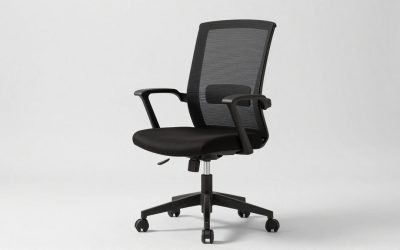
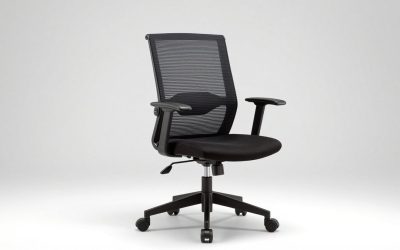
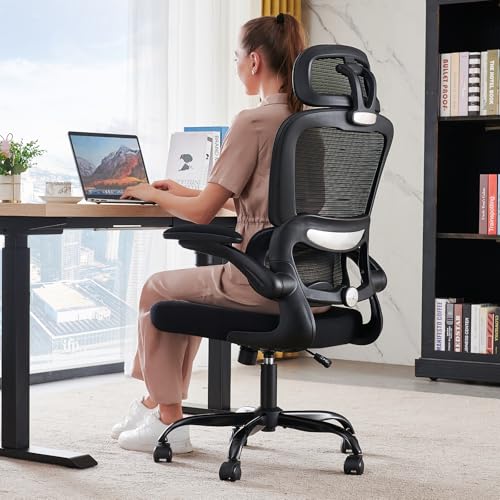 TRALT Office Chair Ergonomic Desk Chair with LumbarPack of 127.6 x 27.6 x 49.2 inches28 poundsCheck on Amazon
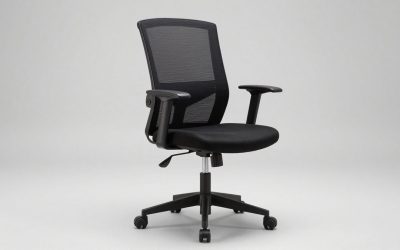
 Marsail Ergonomic Office Chair: Office Desk Chair with46.9" x 24.8" x 24.4"46.9 x 24.8 x 24.4 inches30.42 PoundsCheck on Amazon
Pros & cons
- 3D armrests adjust for multiple working postures
- Supports up to 330 pounds for a wide user range
- Adjustable lumbar moves to match height and body shape
- At over 30 pounds, it is heavier to move around
- Multiple adjustment points add setup complexity
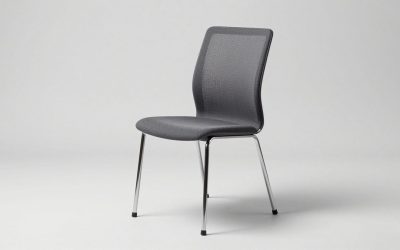
 ErgoSift M1 Ergonomic Office Chair with 3.1-Inch Adjustable3D+without headrest11.26 x 25.25 x 30 inches36.6 poundsCheck on Amazon
Cyber Monday is one of the two times a year (the other being Prime Day) when office chairs actually drop into reasonable territory. A chair that’s normally $450 shows up at $280, and the $150 budget chairs get pushed down to $90-100. The discounts are real, but the risk is that people buy based on the percentage off rather than whether the chair fits their body. A 40% discount on a chair that doesn’t support your lower back is still a bad purchase.
I’ve spent time in chairs from $100 to $1,200 over the years, both personally and for testing. Here’s what actually matters when you’re scanning Cyber Monday listings, and where the money genuinely improves things versus where it’s just marketing.
What Cyber Monday actually changes
Sales mostly hit three tiers: sub-$150 mesh chairs, $300-500 “prosumer” ergonomic chairs, and the premium $700+ tier (Herman Miller, Steelcase, Humanscale). The mid tier sees the deepest percentage cuts, often 30-45% off, because that’s where brands compete hardest for market share. The premium tier rarely drops more than 20-25%, and that’s usually through bundled deals (chair plus cushion, or refurbished units) rather than straight markdowns.
If you’ve been eyeing a $500+ chair, Cyber Monday is genuinely the best time to buy one all year. If you’re shopping sub-$150, the sale price is nice but the chair’s fundamental limitations don’t go away. A $90 mesh chair with a fixed lumbar bump is still a $90 mesh chair with a fixed lumbar bump.
Fit before features
The single biggest predictor of whether a chair helps your back isn’t price, it’s whether the seat depth and lumbar height match your body. A chair with adjustable lumbar support that sits 3 inches too high for your spine does nothing for you. Before buying, know two numbers: your seated height from floor to the small of your back (lumbar curve), and your thigh length from the back of your knee to your hip when seated. Most adjustable chairs list a seat depth range (commonly 16-20 inches) and lumbar height adjustment range in the specs. If your numbers fall outside the range, no amount of discount makes that chair work.
People under 5’4″ and over 6’2″ are the two groups most likely to get a bad fit from a “one-size” chair, even an expensive one. If that’s you, look specifically for chairs advertised with multi-point seat depth sliding and a lumbar pad that moves both vertically and in depth, not just chairs with a high price tag. Browsing ergonomic chairs with adjustable lumbar support and filtering by the seat depth spec will save you a return shipment.
Where cheap chairs actually fail
It’s not usually catastrophic. Sub-$150 chairs rarely collapse outright. What happens instead:
The gas lift cylinder starts sinking under weight after 12-18 months, so the chair slowly drops an inch or two over a workday. The tilt tension spring loosens and the recline becomes floppy rather than resistant. The mesh backing stretches out in the lower back zone first, since that’s where sustained pressure sits, and the lumbar support that worked on day one is gone by month six. None of this is dangerous, but it means the “deal” chair needs replacing in 2-3 years, while a well-built $400 chair with a 10-12 year warranty is still doing its job on day 1,500.
Armrests are the other quiet failure point. Cheap PU-leather armrest pads crack and flake within a year of regular use. If you rest your forearms while typing, that’s a daily annoyance, not just cosmetic. Look for armrests described as PU over foam with a replaceable cap, not a thin leatherette wrap.
Where the money goes
Here’s a rough breakdown of what you’re actually paying for at each price tier, based on typical Cyber Monday sale pricing rather than list price.
| Sale Price Range | Typical Build | Lumbar Support | Expected Lifespan | Best For |
|---|---|---|---|---|
| $80-130 | Steel frame, mesh back, basic nylon base | Fixed or simple adjustable bump | 2-3 years daily use | Light use, under 6 hrs/day seated |
| $200-350 | Reinforced frame, better gas cylinder, aluminum base option | 4-way adjustable pad or dynamic mesh | 5-7 years | Full-time desk work, home office |
| $450-700 | Commercial-grade frame, class 4 gas lift, aluminum base | Adjustable depth + height, sometimes dynamic | 8-12 years | 8+ hrs/day, existing back issues |
| $700+ | Premium materials, 10-12 year warranty standard | Fully dynamic, body-weight responsive | 12-15+ years | Chronic back pain, long-term investment |
If you sit less than 6 hours a day and don’t have existing back pain, the $200-350 tier is the honest sweet spot. You’re not paying for mesh that flexes with your spine’s movement, you’re paying for a frame and cylinder that won’t degrade in year two. Going cheaper than that tier is a real trade-off, not just a budget choice. Going more expensive than that tier mostly buys longevity and comfort refinement, not a fundamentally different sitting experience, unless you have a diagnosed back condition where a dynamic lumbar system matters medically.
What to skip regardless of discount
Gaming chairs marketed as “ergonomic” during Cyber Monday sales are usually the same bucket-seat racing design regardless of price. The high bolstered sides look supportive but restrict the hip movement your body naturally wants during an 8-hour day, and the lumbar “pillow” attachment is a stopgap, not a real adjustable support system. If back support is the actual goal, a mesh back chair with an adjustable headrest at the same price point will do more for your spine than a gaming chair at double the discount.
Also skip any “massage” or heated office chair deals unless the base ergonomics (seat depth, lumbar adjustability, armrest height) are already solid. Vendors use the massage feature to distract from a mediocre frame, and you’ll stop using the massage function within a month while still sitting in a chair that doesn’t fit you.
What to actually buy
If you already know your fit numbers and have been waiting on a specific chair, Cyber Monday is the right week to buy it, especially in the $300-500 range where discounts run deepest. If you’re buying blind, start by checking seat depth and lumbar range against your own measurements before looking at price at all. Searching office chairs with adjustable seat depth and sorting by current discount is a reasonable way to shortlist, but read the actual spec range before adding to cart. The discount disappears from memory in a week. A chair that doesn’t fit your spine reminds you daily for the next three years.