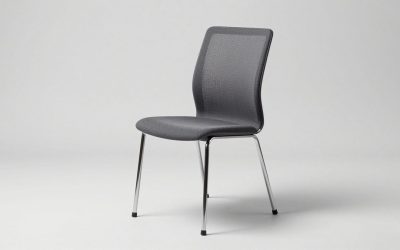
Our Top Picks
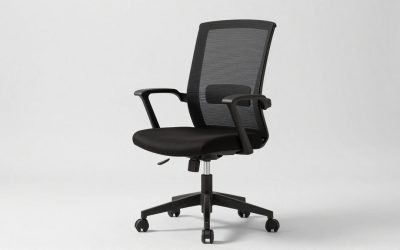
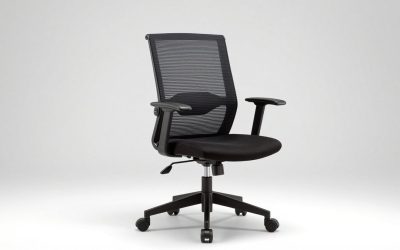
 Marsail Ergonomic Office Chair: Office Desk Chair with46.9" x 24.8" x 24.4"46.9 x 24.8 x 24.4 inches30.42 PoundsCheck on Amazon
Pros & cons
- 3D armrests adjust for multiple working postures
- Supports up to 330 pounds for a wide user range
- Adjustable lumbar moves to match height and body shape
- At over 30 pounds, it is heavier to move around
- Multiple adjustment points add setup complexity

If you sit for eight or more hours a day, the heat buildup between you and your chair isn’t just uncomfortable, it’s a real reason people shift posture every few minutes, lean forward, or stand up more than they need to. A cooling seat cushion solves a narrower problem than people expect: it won’t fix a bad chair or bad posture, but it will stop that damp, overheated feeling that builds up on mesh-free seats, especially in warmer offices or homes without great airflow.
Why office chair seats get hot in the first place
Most seat cushions trap heat because of two things: foam density and lack of airflow underneath you. Memory foam is the worst offender. It conforms to your body by softening with heat, which means it’s literally designed to absorb and hold your body temperature. Sit on a 3-inch memory foam cushion for two hours and you’ll feel it, especially through the back of the thighs and tailbone area where contact pressure is highest.
Gel cushions and gel-infused foam distribute heat better because gel has higher thermal mass, it absorbs heat without warming up as fast. That’s the whole selling point. Honeycomb or egg-crate cushions take a different approach: they’re mostly air channels, so heat and moisture can actually escape instead of building up against your skin.
What actually works, and what’s marketing
There are three real categories worth considering, and one that’s mostly hype.
Gel-infused memory foam is the middle ground. You get some of the pressure relief of memory foam with a noticeably cooler surface, usually a few degrees cooler to the touch than plain foam. It’s not dramatic, but over a full workday it matters. These run $25-$45 typically.
Honeycomb gel/TPE cushions (the rubbery, see-through grid ones) are the coolest option by a clear margin because airflow moves through the structure itself, not just across the surface. They’re firmer than foam, which some people dislike, and they don’t offer much cushioning for anyone under 130 lbs or anyone with a bony pelvis structure, you’ll feel the grid pattern.
Ventilated foam with mesh covers is the budget-sensible option. Open-cell foam with a breathable mesh top doesn’t actively cool, but it doesn’t trap heat the way closed-cell memory foam does. If you’re not dealing with serious heat issues, this is often enough, and it’s usually $15-$25.
What’s mostly hype: cushions marketed as “cooling” that are just memory foam with a thin cooling gel layer on top maybe a quarter-inch thick. That layer warms up within 20-30 minutes of sitting, and then you’re back to a hot cushion. Check the product description for gel layer thickness if it’s listed; if it’s not listed, assume it’s thin.
Quick comparison
| Type | Cooling performance | Pressure relief | Best for | Typical price |
|---|---|---|---|---|
| Honeycomb gel/TPE | Best | Low-moderate | Hot climates, people who run warm | $20-$35 |
| Gel-infused memory foam | Good | High | Tailbone/sciatica issues plus heat sensitivity | $25-$45 |
| Ventilated foam + mesh | Moderate | Moderate | Mild heat issues, budget buyers | $15-$25 |
| Thin gel-topped foam | Poor after 30 min | Moderate | Not recommended for heat specifically | $15-$30 |
Sizing and shape matter more than the material
A cushion that’s too small for your chair seat will slide, bunch, or leave your sit bones hanging off the edge, which creates pressure points regardless of how cooling the material is. Measure your chair’s seat pan width and depth before buying. Most standard office chair cushions run 17-18 inches wide, but wider task chairs and gaming-style chairs can need 19-20 inches.
Shape matters too. U-shaped or cutout cushions relieve tailbone pressure and also improve airflow directly under the coccyx, which is usually the hottest, most sweat-prone spot. A solid rectangular cushion traps more heat there specifically.
If you’re shopping, it’s worth browsing a gel seat cushion for office chairs alongside a honeycomb cooling seat cushion side by side in product photos, you can usually tell gel thickness and honeycomb density just from how the cross-section looks.
When a cushion won’t fix the problem
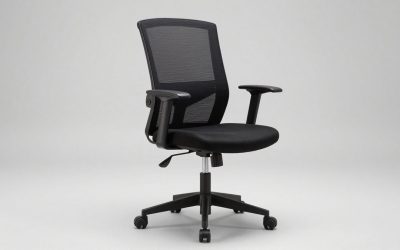
If you’re sweating through your pants by midday, no cushion fixes that alone. The underlying issue is usually a non-breathable chair material, vinyl, pleather, or dense fabric, combined with poor ambient airflow. In that case a cushion helps marginally but the better fix is a mesh back office chair, since mesh seat pans ventilate far better than any cushion layered on top of solid foam or vinyl can compensate for. If replacing the chair isn’t an option right now, a honeycomb cushion plus a small desk fan aimed at seat height is a legitimate workaround, not elegant, but it works.
One more honest point: if your office is kept at a normal 68-72°F and you’re not someone who runs hot, you probably don’t need a dedicated cooling cushion at all. A basic ventilated foam cushion with a mesh cover solves 90% of mild discomfort for a third of the price of the premium honeycomb options. Save the gel-infused or honeycomb cushions for people who are visibly sweating through afternoon meetings, not for general comfort shopping.