Our Top Picks
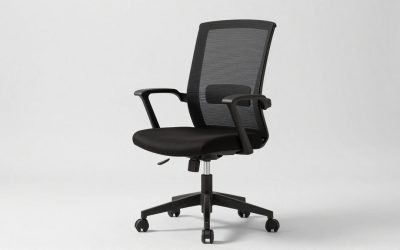
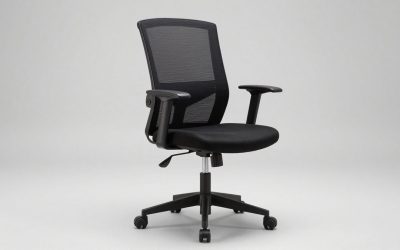
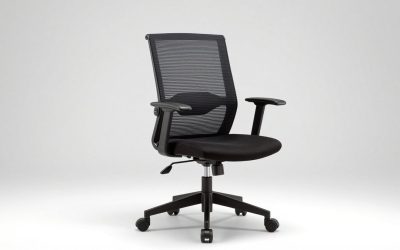
 Marsail Ergonomic Office Chair: Office Desk Chair with46.9" x 24.8" x 24.4"46.9 x 24.8 x 24.4 inches30.42 PoundsCheck on Amazon
Pros & cons
- 3D armrests adjust for multiple working postures
- Supports up to 330 pounds for a wide user range
- Adjustable lumbar moves to match height and body shape
- At over 30 pounds, it is heavier to move around
- Multiple adjustment points add setup complexity

Most people shopping for a cheap computer chair have already made a decision, whether they realize it or not: they’re buying a chair to survive, not to last forever. That’s a reasonable call. A good ergonomic chair can run $400-$900, and plenty of people sit for four hours a day, not ten, or they’re furnishing a spare room office they use three days a week. For that kind of use, a $100-$180 chair is often genuinely fine. The trick is knowing which cheap chairs fail fast and which ones just lack polish.
What “cheap” actually buys you
In the $80-$150 range, you’re paying for a steel frame, a foam seat pan, a gas lift cylinder, and some kind of back support, usually mesh. What you’re not paying for is adjustability. Most chairs under $150 have one or two adjustment points (seat height, maybe recline tension) instead of five or six (armrest height and width, lumbar depth, seat depth, tilt lock, headrest angle). That’s the real trade-off, not comfort on day one, but whether the chair fits your body over months.
The other thing you’re not paying for is cylinder and caster quality. Gas cylinders in sub-$100 chairs commonly start sinking (slowly losing height under load) somewhere between 8 months and 2 years of daily use. Casters on cheap chairs are often small, hard plastic wheels that are fine on carpet but chew up or skate on hardwood. If you’ve got hard flooring, budget $12-$20 for a set of replacement rubber casters; it’s a bigger comfort upgrade than it sounds.
Mesh vs. fabric vs. PU leather
At the low end, the back material tells you a lot about how the chair will feel in month six.
| Material | Breathability | Durability (budget tier) | Best for |
|---|---|---|---|
| Mesh | High | Good; rarely cracks, can sag at tension points after 2-3 years | Warm rooms, long sitting sessions |
| Fabric | Medium | Good; wears but doesn’t peel | Shared or family use, pets in the house |
| PU leather | Low | Poor; cracks and peels within 12-18 months in budget models | Short-term use or looks over longevity |
PU leather chairs look the most “executive” in product photos, which is exactly why they dominate cheap chair listings. But the coating is a thin polyurethane layer over fabric, and in budget chairs it isn’t treated well. If you sit in shorts or get summer heat in your office, expect the seat to start flaking at the edges within a year or two. Mesh is the safer bet if you want the chair to still look decent at the two-year mark.
Where not to cut corners
Three things matter more than price point:
Seat depth and width relative to your body. A chair that’s too deep will hit the back of your knees; too shallow and you lose thigh support. If you’re above about 6’1″ or below 5’3″, read the dimensions in the listing (seat width, seat depth, max height) before buying, because most budget chairs are sized for an average middle range and the generic “ergonomic” marketing copy won’t tell you that.
Lumbar support that’s actually positioned where your lower back curves, not just a vague bulge in the mesh. Some budget chairs have an adjustable lumbar pad you can slide up and down; that’s worth paying a bit more for if you have any history of lower back pain.
Weight rating. Cheap chairs are usually rated for 220-250 lbs. Above that, the gas cylinder and frame welds are the first things to fail, often within months rather than years. If you’re outside that range, it’s worth searching specifically for a big and tall office chair rated for 300+ lbs rather than hoping a standard budget chair holds up.
What fails first, realistically
Based on how these chairs actually age: the gas cylinder goes before the frame does. You’ll notice slow sinking, where the chair settles an inch or two lower over the course of a workday. Armrests are next, especially the clip-on padded kind, which crack or come loose. The mesh or fabric back usually outlasts both of those unless it’s PU leather. Casters wear out fast on hard flooring specifically, less so on carpet. None of this means the chair is a bad buy, it means you should expect to replace a cylinder or caster set after a year or two rather than expecting the whole chair to last five years without maintenance.
When to spend more
If you’re sitting more than 6 hours a day, five days a week, the math changes. A $350+ chair with a 5-10 year warranty and replaceable parts (cylinders, casters, armrests sold separately) will cost less per year of use than replacing a $120 chair every 18 months. If you fall into that category, it’s worth browsing a proper ergonomic office chair with adjustable lumbar and armrests rather than treating this as a budget purchase at all.
For everyone else, part-time home office use, a secondary desk, a kid’s homework station, a $100-$150 mesh chair is a legitimately good decision, not a compromise. The one upgrade worth making regardless of budget is swapping the stock casters if you’ve got hardwood or laminate floors; it’s cheap, it’s a five-minute job, and it does more for daily comfort than almost any other change you can make to a budget chair.