Our Top Picks


If you sit eight or more hours a day, the chair matters, but the cushion you put on it matters almost as much, especially if the chair is old, cheap, or borrowed from a conference room. A good cushion fixes pressure points and tailbone pain without the cost of a new chair. A bad one just redistributes the discomfort somewhere else. Here’s what actually works, based on what the foam, gel, and shape differences do to your body over a full workday.
What the cushion is actually fixing
Most all-day sitting pain comes from one of three places: the tailbone (coccyx) taking direct pressure, the sit bones (ischial tuberosities) digging into thin padding, or the thighs losing circulation on a seat pan that’s too hard or too flat. A cushion needs to solve for whichever one is yours, and they’re not the same product.
Coccyx pain needs a cutout. Sit bone pain needs density and a contoured shape that cradles rather than flattens. Circulation issues need enough thickness, usually 3 inches or more, that your weight doesn’t bottom out to the chair pan underneath. If you buy a cushion that doesn’t match your actual problem, you’ll feel let down in about two weeks when the foam compresses and the issue comes back.
Memory foam vs. gel vs. gel-infused foam
Pure memory foam is the budget default and it’s fine for most people. The failure mode is heat retention and compression set: after 6-12 months of daily use, a cheap memory foam cushion loses 20-30% of its loft and starts feeling like a pancake with a crust. You’ll know it’s done when you can feel the chair seat through it.
Gel cushions (actual gel pads, not gel-infused foam) distribute pressure better and run cooler, but they’re heavier, harder to pack if you move between desks, and the gel can shift unevenly over time, creating lumps. They’re worth it if you run hot or you’re dealing with existing sit bone or tailbone pain, since the gel conforms without the same long-term flattening.
Gel-infused memory foam is the compromise: a layer of gel beads or gel foam on top of standard memory foam. It cuts the heat problem of pure foam without the full cost or weight of a gel pad. For most office workers this is the sensible middle choice, and it’s where I’d point someone who just wants to stop thinking about this problem. You can browse the range under gel infused memory foam seat cushions.
Shape matters more than material
A U-shaped or horseshoe cutout at the back relieves direct tailbone pressure, which is the single most common complaint from people sitting on hard task chairs or stools. If you don’t have tailbone pain, skip this shape, it adds no benefit and slightly reduces the stable surface area under you.
A contoured, egg-shaped cushion with raised edges keeps your pelvis from sliding forward, which is the quieter cause of slouching and lower back strain. This shape is better for people whose main issue is posture drift over the day rather than acute pain in one spot.
Flat rectangular cushions with no contouring are mostly for people who just want more thickness on a hard seat, like a wooden dining chair used as a desk chair. They don’t correct posture, they just add cushioning.
| Cushion type | Best for | Typical lifespan | Trade-off |
|---|---|---|---|
| Standard memory foam | General comfort, budget | 6-12 months heavy use | Retains heat, compresses over time |
| Gel-infused foam | Heat-sensitive sitters, all-day use | 12-18 months | Costs more, still compresses eventually |
| Pure gel pad | Chronic sit bone/tailbone pain | 2-3 years | Heavy, can develop uneven lumps |
| U-cutout coccyx cushion | Tailbone pain specifically | Varies by fill | Less support if that’s not your issue |
| Firm foam wedge | Posture/pelvic tilt correction | 1-2 years | Takes adjustment period, not “soft” |
Thickness and density, the numbers that matter
Thickness alone is a bad proxy for quality. A 4-inch cushion made of low-density foam will bottom out faster than a 2.5-inch cushion made of high-density foam. Look for density in the description, foam rated around 3-5 lb/ft³ is standard for cushions in this category, anything softer breaks down fast under daily body weight.
For reference, if you weigh over 200 lbs, a cushion under 3 inches thick is going to compress to almost nothing within a few months regardless of the material. Go thicker and firmer, not softer. Thin, soft cushions are the single most common mismatch I see, people buy soft because it feels nice in a five-second test sit, then it’s flat by week six.
Does the cover matter
Yes, more than people expect. A non-breathable cover on a foam cushion traps heat and moisture, which speeds up foam breakdown from the inside and makes the cushion unpleasant in summer. Look for a removable, washable, breathable cover, mesh or ventilated fabric specifically. This is a small spec line that gets skipped in most buying guides but it affects both comfort and how long the cushion lasts.
A non-slip bottom is the other detail that actually matters day to day. Cushions without grip backing slide on leather or vinyl chairs, and you end up re-adjusting it ten times a day, which defeats the point.
When you don’t need one
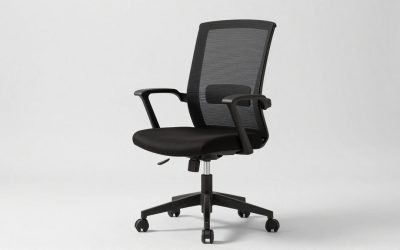
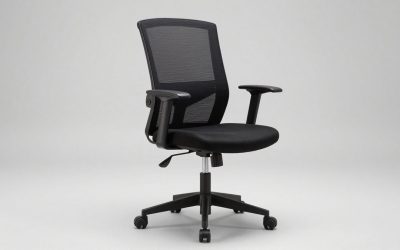
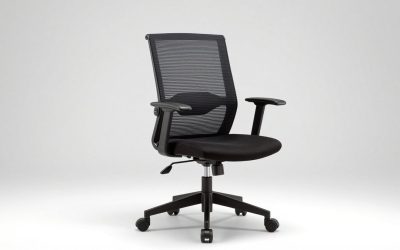
If your chair already has a well-padded, contoured seat pan, like most chairs in the ergonomic office chairs with adjustable lumbar support category, adding a cushion on top can actually hurt posture by raising your hip height above your knees, which tilts the pelvis back and increases lower back load. In that case the fix isn’t a cushion, it’s adjusting the chair’s seat height and depth correctly, or addressing lumbar support with a separate lumbar support pillow for office chairs instead of a seat cushion.
If your chair is less than two years old, from a known ergonomic brand, and you’re not in pain, you probably don’t need to spend money here at all. Cushions solve for bad seats and bad posture habits, not for chairs that are already doing their job.
Bottom line recommendation
For most people with general all-day discomfort and no specific diagnosis, a gel-infused memory foam cushion with a contoured shape and breathable cover is the right default, it covers heat, pressure, and posture without overcorrecting for a problem you might not have. Save the U-cutout and pure gel options for confirmed tailbone or sit bone pain, and don’t buy thickness over density, a thinner firm cushion will outlast a thick soft one by a year or more.