Our Top Picks
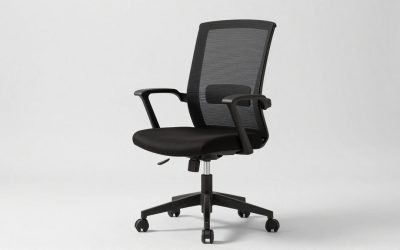
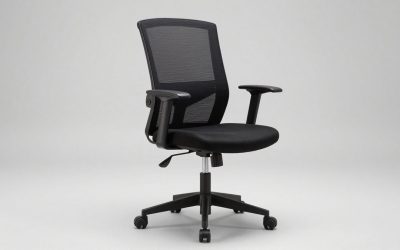
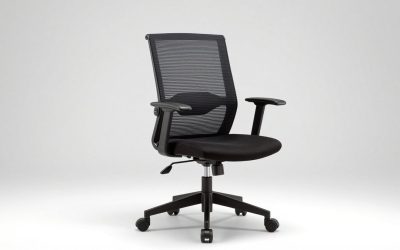
 Marsail Ergonomic Office Chair: Office Desk Chair with46.9" x 24.8" x 24.4"46.9 x 24.8 x 24.4 inches30.42 PoundsCheck on Amazon
Pros & cons
- 3D armrests adjust for multiple working postures
- Supports up to 330 pounds for a wide user range
- Adjustable lumbar moves to match height and body shape
- At over 30 pounds, it is heavier to move around
- Multiple adjustment points add setup complexity

Most seat cushion shopping starts in the wrong place. People search for “best cushion” after their chair has already made their tailbone or lower back angry, and they want a fix that works in a day. Some do. Most of what actually matters is foam density, shape, and whether the cushion fights your chair’s existing design instead of working with it. Here’s what to look at before you spend money.
Do you actually need a cushion, or does your chair need replacing
If your chair’s factory padding is less than three years old and still has some bounce when you press it with a thumb, a cushion is a reasonable patch. If you press down and feel the hard shell underneath almost immediately, the foam has broken down and no cushion fully compensates for that — you’re stacking a bandage on a chair that’s done. A $25-$40 cushion on a dead chair gets you maybe 60% of the way back to comfortable. A new ergonomic office chair is the better spend if the chair itself is the problem, not just the seat pad.
Cushions earn their keep in two situations: you sit on a chair that isn’t yours to replace (office-issued, shared, a loaner), or your chair is otherwise fine but the seat pan is too flat, too hard, or too short for your thighs.
Memory foam vs. gel vs. seat cushion foam
These get marketed like they’re wildly different products. In practice:
| Type | Feel | Best for | Common failure mode |
|---|---|---|---|
| Memory foam | Slow-rebound, molds to you | Tailbone/coccyx pain, pressure points | Heat retention; sags permanently after 12-18 months if density is low |
| Gel-infused foam | Memory foam feel, cooler surface | People who run hot or sit 8+ hours | Gel layer separates or pools after a year of heavy use |
| High-density foam (no memory) | Firmer, faster rebound | People who sink too much in memory foam, want more support | Feels hard for first 1-2 weeks until it breaks in slightly |
| Inflatable/wedge cushions | Firm, adjustable | Posture correction, active sitting | Deflates slowly, needs re-pumping every few weeks |
Density matters more than brand name. Cheap memory foam cushions under $20 usually run 1.5-2.5 lb/ft³ density, which collapses under regular use in under a year. Decent ones sit around 3-5 lb/ft³ and hold shape through two or more years of daily 8-hour sitting. If a listing doesn’t mention density at all, that’s often because it’s on the low end.
The shape matters more than the material
Three shapes cover almost everything on the market:
U-shaped (coccyx cutout): a notch cut out of the back where your tailbone sits. Genuinely helps people with tailbone bruising, hemorrhoids, or post-surgery sitting pain. Doesn’t do much for general lower back discomfort — that’s a different problem.
Flat rectangular with beveled front edge: the general-purpose option. The bevel keeps the front edge from digging into the backs of your knees, which is a real and common issue with aftermarket cushions that are too thick or square-edged. If you’re not dealing with a specific tailbone issue, this is the shape to default to.
Wedge (higher at back, lower at front): tilts your pelvis forward slightly, which encourages a more upright spine. Helpful for people who slouch, but it changes your sitting angle, so give it two weeks before deciding you don’t like it — the adjustment period is real.
A U-cutout cushion bought for general back pain is probably the wrong tool. People buy it because it looks “ergonomic,” then wonder why their lower back still aches by 3pm. The cutout solves pressure, not spinal support.
Thickness changes your desk height — don’t ignore this
A cushion adds anywhere from 2 to 4 inches under you. If your desk and keyboard height were already dialed in, adding a 3-inch cushion can push your elbows above keyboard level, which creates shoulder and wrist strain that wasn’t there before. This is the most common complaint in cushion reviews that people misdiagnose as “the cushion doesn’t work” — the cushion works fine, it just moved your whole sitting position up without you adjusting anything else.
If you add a cushion over 2 inches thick, recheck your desk or chair height, and glance at your keyboard tray options if your desk itself isn’t adjustable. Skipping this step is the single most common reason people give up on a cushion after a week.
What to actually buy, by situation
| Your situation | Shape | Spend |
|---|---|---|
| Tailbone pain, recent injury or surgery | U-cutout, firm foam | $30-$50 |
| General all-day discomfort, no specific pain point | Flat rectangular, beveled edge, medium-density memory foam | $20-$35 |
| Chair runs hot, long sessions (8+ hrs) | Gel-infused, flat or beveled | $30-$45 |
| Slouching, want more upright posture | Wedge | $25-$40 |
| Occasional use, budget tight | Any basic foam cushion | $10-$15, replace yearly |
That last row is a genuine recommendation, not a consolation prize. If you sit at a desk three days a week and don’t have a specific pain complaint, a $12 foam cushion does the job. Spending $45 on a gel cushion for light, occasional use is paying for a cooling feature you won’t be around long enough to need.
When a cushion won’t fix the actual problem
If pain is in your upper back, neck, or shoulders, a seat cushion does nothing — that’s a backrest, armrest, or monitor height problem. If pain radiates down a leg or you have numbness/tingling, that’s a medical question, not a shopping one; see a doctor before buying anything. Cushions solve seat-surface pressure and tilt. They don’t solve lumbar support, which is a backrest job, and they don’t solve screen height, which is a monitor arm job. Knowing which of these three you actually have saves you from buying the wrong $30 item three times before landing on the right one.