Our Top Picks
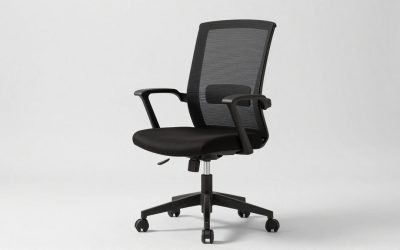
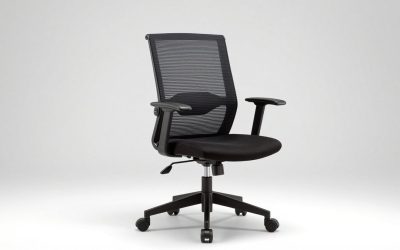
 Marsail Ergonomic Office Chair: Office Desk Chair with46.9" x 24.8" x 24.4"46.9 x 24.8 x 24.4 inches30.42 PoundsCheck on Amazon
Pros & cons
- 3D armrests adjust for multiple working postures
- Supports up to 330 pounds for a wide user range
- Adjustable lumbar moves to match height and body shape
- At over 30 pounds, it is heavier to move around
- Multiple adjustment points add setup complexity
Pros & cons
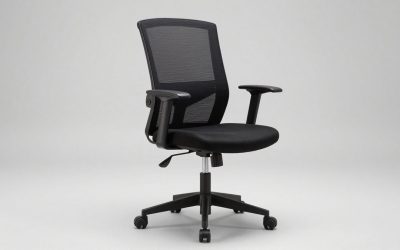
- Four support points cover head, back, hips, and hands
- Flip-up armrests let the chair tuck under the desk
- Backed by a 3-year coverage period
- Comfortable fit spans roughly 5 foot 2 to 6 foot 1
- At 41 pounds, it is heavier than basic task chairs


Who Actually Needs a High Back Chair
A high back office chair extends support up through your shoulder blades and, on taller models, to the base of your skull. That’s it. The pitch is simple, but whether you need it depends on your height and how you work. If you’re under 5’8″ and spend most of your day leaning forward typing, a mid-back chair with a 20-22 inch backrest covers you fine and you’d just be paying for extra foam you lean away from. If you’re 6’0″ or taller, or you spend real time reclined (reading, calls, thinking), the extra 4-6 inches of backrest height matters because it actually reaches your upper back and head instead of stopping between your shoulder blades.
The failure mode with high back chairs is buying one for the wrong reason. People buy them thinking “more chair equals more support,” then end up with a headrest that hits them at the wrong angle because they’re 5’5″ and the chair was designed for someone 6’2″. Check the brand’s recommended height range before anything else. Most list it in the product specs, and it’s the single most-skipped detail that causes returns.
What Actually Matters in the Backrest
Three things separate a good high back chair from a tall chair that just happens to be uncomfortable: lumbar support position, recline mechanism quality, and headrest adjustability.
Lumbar support needs to sit at your natural lower back curve, roughly 6-10 inches above the seat pan depending on your torso length. Fixed lumbar bumps built into the foam are fine if your torso matches the design, but adjustable lumbar (a pad you can move up/down and sometimes adjust in depth) is worth paying for if you’re outside average proportions. I’ve sat in $150 chairs with better lumbar fit than $500 ones simply because the adjustment range matched my back.
The recline mechanism is where cheap chairs fall apart fastest, literally. A synchro-tilt mechanism (seat and back move together at a set ratio, usually 2:1) feels natural and is standard on anything decent. Cheaper chairs use a simple tilt where only the back moves, which can shear your shirt against the chair back and feels less supported under 90 degrees. If a chair lets you lock recline at multiple angles rather than just upright or fully reclined, that’s a real feature for people who alternate between typing and reading.
Headrests on high back chairs are either fixed, height-adjustable, or height-and-angle adjustable. Fixed headrests are the most common failure point for shorter users since there’s no way to correct a bad fit. If you’re not solidly in the “tall” range, pay the extra $30-50 for an adjustable headrest or just buy a mid-back chair instead.
What You Get at Each Price Point
Here’s roughly how the market breaks down based on what we’ve compared and what consistently shows up in build quality at each tier.
| Price Range | What You Typically Get | Common Failure Point |
|---|---|---|
| $100-200 | Mesh or fabric back, basic synchro-tilt, fixed or barely-adjustable lumbar | Gas cylinder sag within 1-2 years; armrests loosen |
| $200-400 | Adjustable lumbar, 4D armrests, better recline lock, often adjustable headrest | Mesh can sag at the seat edge after heavy daily use |
| $400-700 | Premium mesh or leather, fine-tuned lumbar depth and height, sturdier base and casters | Diminishing returns unless you’re 250+ lbs or 6’3″+ |
| $700+ | Herman Miller/Steelcase tier, 12-year warranties, exceptional long-term durability | None functionally, just a steep price for marginal comfort gains over the $400-700 tier |
For most people working from a home office 40 hours a week, the $200-400 range is the honest sweet spot. You get adjustable lumbar and a mechanism that won’t give out in year two. Below $150, you’re often fine for light use, but don’t expect the lumbar support to hold its shape past 18 months of daily sitting.
Buying Online Without Sitting In It First
The real risk with ordering a chair you haven’t tried is the backrest curve not matching your spine, and you won’t know until week two when your lower back starts complaining. Mitigate this three ways: check the return window (30 days minimum, Amazon’s standard policy covers most of what you’d buy there), check the weight capacity against your actual weight with 20% headroom for stability, and read the one and two star reviews specifically for recurring complaints about sagging or squeaking, since that’s where mechanical failures show up first.
If you want adjustable lumbar and a proper synchro-tilt without going premium, browsing high back ergonomic office chairs will surface the $150-350 range that covers most people adequately. If you’re specifically tall and need the headrest to actually reach your head, filter toward big and tall office chairs, which are built on taller frames rather than just longer backrests. And if lumbar fit is your main issue regardless of chair height, a separate lumbar support cushion for $20-30 can fix a mediocre chair rather than replacing it outright.
When the High Back Is Overkill
If you work standing half the day, use a laptop stand and sit upright most of the time, or you’re simply not reclining during work hours, a high back buys you nothing but a bigger chair in a smaller room. Mid-back chairs are generally $50-100 cheaper for equivalent build quality because you’re paying for less material and a smaller mechanism housing. Don’t let a product page talk you into “more support is always better.” Buy for how you actually sit, not for how the marketing copy describes ideal posture.