Our Top Picks
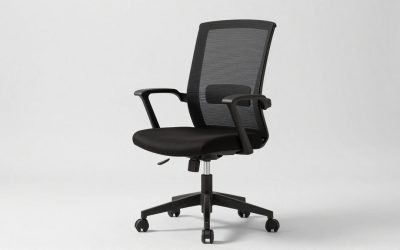
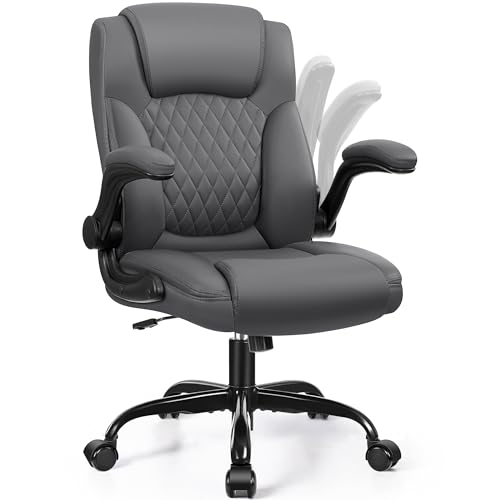
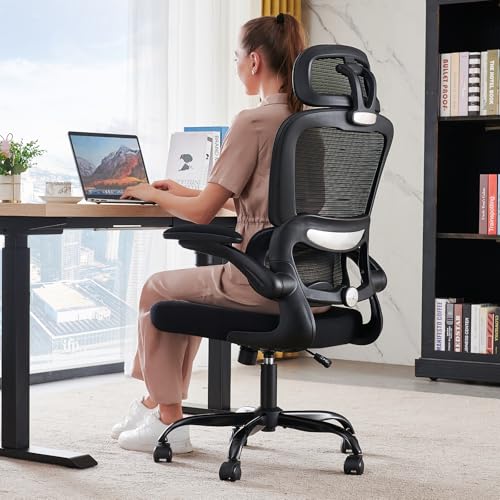 TRALT Office Chair Ergonomic Desk Chair with LumbarPack of 127.6 x 27.6 x 49.2 inches28 poundsCheck on Amazon

What You’re Actually Buying
A work chair is a mechanical system holding your spine in a specific position for 6-10 hours a day. That’s the whole job. Everything else — mesh patterns, “ergonomic” branding, RGB lumbar lights on gaming chairs — is secondary to whether the thing adjusts to fit your body and holds that adjustment under load. Most buying mistakes come from skipping that question and going straight to looks or price.
Online shopping makes this harder because you can’t sit in the chair first. You’re relying on spec sheets and return policies. So read specs like they matter, because they do, and check the return window before you buy. A 30-day trial is the real test — a chair that feels fine for 20 minutes in a showroom can be miserable by hour four.
The Adjustments That Actually Matter
Four adjustments separate a chair that works from one that just sits there:
Seat height. Your feet need to be flat on the floor with knees at roughly 90 degrees. Most chairs adjust from about 16 to 21 inches. If you’re under 5’4″ or over 6’2″, check the range before anything else — it’s the most common reason a chair gets returned.
Seat depth. You want 2-4 inches of clearance between the front edge of the seat and the back of your knees. Fixed-depth seats are the single biggest reason shorter or taller people end up with a chair that fits everyone except them. If you’re outside average height, seat depth adjustment stops being a nice-to-have.
Lumbar support. Not “has lumbar support” — adjustable in height and depth. A fixed lumbar bump that hits the wrong part of your back does nothing or actively hurts. If you already have lower back issues, this is where to spend money, not on mesh quality or armrest polish.
Armrests. Height adjustable at minimum, ideally also width and pivot. Armrests set too high push your shoulders up and cause neck tension within a couple hours. Too low and you lean sideways. Many people are better off removing armrests entirely than using badly fitted ones.
Budget vs. Premium: What You Actually Get
Price mostly buys you adjustment range, mechanism durability, and warranty length — not comfort in the showroom sense. A $150 chair and a $900 chair can feel similar for the first month. The difference shows up at month eight, when the cheaper gas cylinder starts sinking under your weight or the recline tension knob strips out.
| Price range | What you typically get | Best for |
|---|---|---|
| $100-200 | Fixed or 2-way lumbar, basic height/tilt, mesh or fabric, 1-2 year warranty | Light use (under 5 hrs/day), no existing back issues, tight budget |
| $250-450 | Adjustable lumbar, seat depth slide, 4D armrests, synchro-tilt mechanism, 3-5 year warranty | Full-time desk work, people who’ve had back pain before |
| $500-900+ | Precision lumbar, high-grade mesh or leather, better cylinder/mechanism durability, 10-12 year warranty | 8+ hrs/day daily use, specific spinal conditions, long-term investment |
The middle tier is where most people should actually land. The jump from $150 to $300 buys real adjustability. The jump from $400 to $800 buys longevity and warranty coverage more than day-one comfort — worth it if you’ll use the chair for years, questionable if you’re not sure you’ll keep this job or desk setup.
Mesh vs. Foam: The Trade-off Nobody Explains
Mesh backs breathe better and don’t compress over time, so they stay supportive longer — useful if you run warm or sit for very long stretches. But mesh distributes pressure less precisely, which can be uncomfortable if you need firm, localized lumbar support. Foam/fabric seats feel plusher immediately but compress over 1-3 years, especially cheaper foams, which is when you start feeling the seat pan edges. If you’re heavier than about 220 lbs, check the chair’s weight rating and foam density specifically — generic foam breaks down faster under more sustained load.
Neither is objectively better. If you run hot or sit 8+ hours, lean mesh. If you want immediate plush comfort and don’t mind replacing cushioning in a few years, foam is fine.
If You Already Have Back Pain
A chair won’t fix an existing back problem, but a bad one will make it worse. For existing lower back issues, prioritize adjustable lumbar depth over any other spec — you need the support to sit exactly at your lumbar curve, not a few inches off. Recline lock at multiple angles matters too, since static sitting at 90 degrees all day loads the spine more than alternating between upright and slightly reclined positions.
If you’re shopping specifically for back support, it’s worth browsing ergonomic chairs with adjustable lumbar support rather than general “office chair” listings, since the lumbar mechanism is usually buried in the product description, not the title. People with chronic pain or a diagnosed condition should also talk to a physical therapist about posture before assuming a chair alone solves it.
Smaller and Larger Frames
Standard chairs are built around a fairly narrow middle-of-the-bell-curve body size. If you’re petite, standard seat depth and armrest width often don’t adjust down far enough, leaving your knees pressed against the front edge of the seat. It’s worth specifically looking at compact ergonomic chairs sized for smaller frames rather than hoping a standard chair’s lowest setting works.
On the other end, if you’re over 250 lbs, check the actual tested weight capacity, not just a vague “heavy duty” label, and look at big and tall office chairs rated for higher weight capacities. Reinforced frames and wider seat pans in this category aren’t cosmetic — they change how long the gas cylinder and tilt mechanism last.
Treat the Return Window as Part of the Spec
Since you can’t test-sit before buying online, the return policy functions as your trial period. A chair with a 30-day return and free return shipping is worth more than one that’s $40 cheaper with a 14-day window and shipping costs on you. Sit in it for at least a full workday — not an afternoon — before deciding. Problems like armrest height or lumbar position often don’t show up until hour three or four, well after the point where a 20-minute test would have told you it felt fine.