Our Top Picks
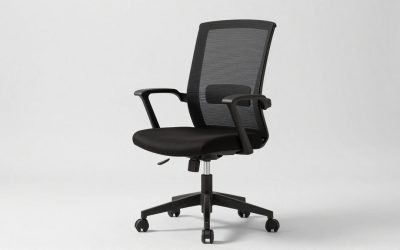
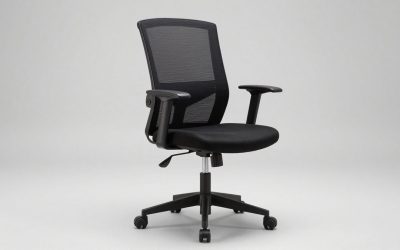
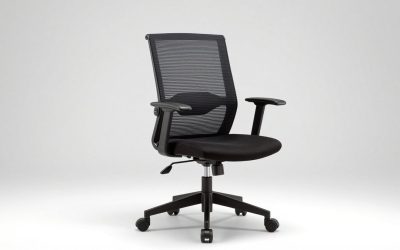
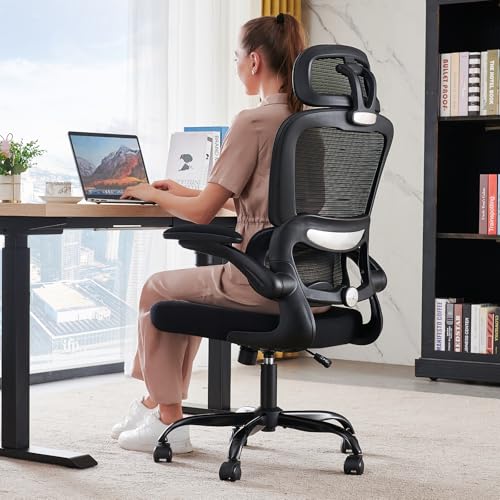 TRALT Office Chair Ergonomic Desk Chair with LumbarPack of 127.6 x 27.6 x 49.2 inches28 poundsCheck on Amazon
 GTPLAYER Big and Tall Gaming Chair 400lbs HeavyBig and Tall22.05 x 31.5 x 40 Inches41.5 poundsCheck on Amazon

Most people start shopping for a comfortable chair after their back already hurts, not before. That changes how you shop: you’re not browsing, you’re trying to fix a problem fast, and the chair aisle online is a mess of marketing claims that don’t tell you anything about fit. Here’s what actually matters when you’re buying one for a home office or desk setup, and where you can reasonably spend less.
What “comfortable” actually means in a chair
Comfort isn’t padding. A thickly cushioned seat feels nice in a showroom and then compresses flat within a few months, leaving you sitting on the frame with a thin layer of foam. What actually determines whether a chair stays comfortable over an 8-hour workday is adjustability matched to your body, and support in the right places for long sitting rather than short sitting.
Three things do most of the work: lumbar support that hits the actual curve of your lower back (not just “a chair with a bump in it”), a seat pan depth that leaves 2-3 fingers of space between the edge and the back of your knees, and armrests that let your shoulders stay relaxed rather than hunched up or dropped down. Get those three right and a mid-range chair will outperform an expensive one that doesn’t fit you.
When the cheap option is genuinely fine
If you’re under 40 hours a week at a desk, don’t have an existing back issue, and are average-to-smaller build (under about 5’9″, under 200 lbs), a $150-250 ergonomic chair with basic adjustability will do the job. The failure mode on cheap chairs isn’t usually comfort on day one, it’s durability: gas lift cylinders that start sinking after a year, mesh that stretches and loses tension, or casters that crack on hard flooring. If you buy at that price point, check the warranty length before anything else, since it’s the clearest signal of how long the maker expects the chair to last. A 2-year warranty on a $180 chair is a different product promise than a 10-year warranty on a $180 chair.
Where cheap chairs consistently fall short is for anyone over 220 lbs, anyone taller than about 6’1″, and anyone with an existing lower back, disc, or sciatica issue. In those cases the adjustability range on budget chairs usually doesn’t go far enough, and you end up compensating with posture that recreates the problem you were trying to solve.
The adjustability checklist, in order of importance
Not all adjustments matter equally. If a chair only has two or three, these are the ones to prioritize:
| Adjustment | Why it matters | Skip if missing? |
|---|---|---|
| Seat height | Feet flat, knees at 90°, forearms level with desk | Never skip — this is non-negotiable |
| Lumbar height/depth | Matches support to your specific lower back curve | Skip only if under light desk use (<4 hrs/day) |
| Seat depth (slide) | Prevents knee-back pressure for shorter/taller users | Important if you’re outside 5’4″-5’10” |
| Armrest height/width | Prevents shoulder and wrist strain | Often fine to skip on fixed armrests if desk height is already correct |
| Recline tension | Lets you shift posture through the day | Nice to have, not critical |
If you’re shopping by category rather than a specific model, searching for an ergonomic office chair with adjustable lumbar support will surface the right tier of product faster than searching “comfortable office chair,” which mostly returns gaming-chair-style seats built for short bursts of sitting rather than full workdays.
Mesh back vs. foam back: a real trade-off, not a marketing one
This is one of the few spec differences that actually changes day-to-day comfort rather than just the price tag.
| Mesh back | Foam/upholstered back | |
|---|---|---|
| Airflow | Better, noticeably cooler in warm rooms | Traps heat, can feel sweaty after 1-2 hours |
| Support feel | Firmer, more “point” support at lumbar | Softer, more even support across the back |
| Durability | Mesh can stretch/sag after 2-4 years of daily use | Foam compresses but more gradually, 4-6 years typical |
| Best for | Hot climates, people who run warm, longer sitting | Colder climates, people who want cushioned feel over support precision |
Neither is objectively better. If you’ve had back issues, mesh with a built-in lumbar bladder or adjustable lumbar pad tends to give more precise support. If you just want to feel comfortable at a desk a few hours a day, foam is fine and often cheaper.
If you already have back pain
A chair alone won’t fix an existing back problem, but the wrong chair will actively make it worse. If you’re dealing with ongoing lower back pain, look specifically for chairs with adjustable lumbar depth (not just height), since the distance of the lumbar support from your spine matters as much as where it sits vertically. Some people with chronic lower back issues do better adding a separate lumbar support cushion to an existing chair rather than replacing the whole chair, since it’s cheaper to test and easy to return if it doesn’t help. Browsing a lumbar support cushion for office chairs is a reasonable $25-40 experiment before spending $400+ on a new chair.
For anyone over 250 lbs, standard chairs rated for 250 lbs are usually only comfortable up to about 80% of that stated limit before the gas cylinder and frame start to feel undersupported. In that case it’s worth looking specifically at a big and tall office chair rated for higher weight capacity rather than a standard chair at the top of its range, since the frame, cylinder, and casters are built differently, not just the cushioning.
What to ignore when comparing listings
Headrests are mostly irrelevant unless you recline often during the day; most upright desk work doesn’t use them. “Breathable fabric” claims are inconsistent between brands and not standardized, so they’re not worth weighing heavily. And massage or heating functions in office chairs add failure points (more wiring, more motors) without meaningfully improving posture or long-term back support — they’re a comfort gimmick, not an ergonomic feature. Spend the budget on adjustability range instead; it’s the thing you’ll actually use every day.