Godrej is one of the few Indian furniture manufacturers that makes chairs for the whole range of a building: reception seating, cheap task chairs for back-office staff, and genuinely decent ergonomic chairs for people who sit eight hours a day. That spread is also the problem when you’re shopping online. The brand name tells you almost nothing about which tier you’re looking at. You need to know what to check before you buy, because the difference between a Godrej chair that lasts five years and one that sags in eight months comes down to a handful of specs that most listings bury or skip.
What “Godrej chair” covers
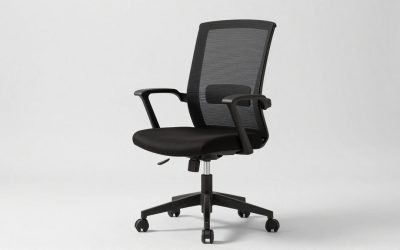
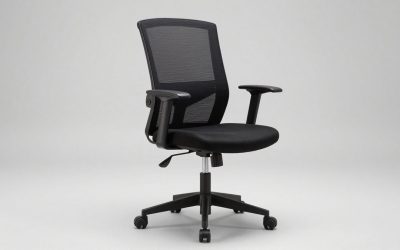
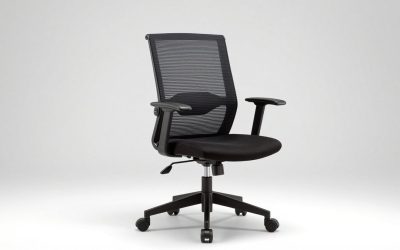
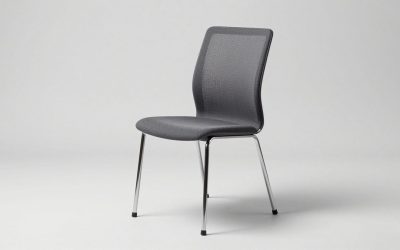
Godrej Interio sells roughly three bands of seating. At the bottom are fixed-back visitor and staff chairs with foam seats and no lumbar adjustment, usually under ₹6,000. In the middle are mesh-back or cushioned task chairs with basic tilt and height adjustment, typically ₹7,000 to ₹15,000. At the top are their ergonomic ranges with adjustable lumbar support, seat depth, and better tilt mechanisms, often ₹15,000 to ₹35,000. Online marketplaces mix all three under generic titles like “Godrej office chair,” so the price you see tells you more than the name does. If a listing is under ₹5,000, assume fixed back, basic foam, and no real lumbar shaping, regardless of what the photo implies.
Why lumbar support is the deciding factor
Most lower back pain from desk work isn’t from a bad chair in the abstract, it’s from a chair that doesn’t fill the gap between your lower spine and the backrest when you sit upright. A fixed-curve backrest helps people in a narrow height range and does nothing for anyone outside it. An adjustable lumbar pad, one you can move up, down, and sometimes in and out, is the feature that actually matters if you’re over 5’8″ or under 5’3″, or if you have any existing lower back issue. Godrej’s cheaper chairs skip this entirely. Their mid and upper ranges usually include it, but “lumbar support” in a listing title sometimes just means a slightly contoured foam back with no adjustment at all. Check the product description for the word “adjustable” next to lumbar, not just the word itself.
Comparing the three tiers
| Tier | Typical price (₹) | Backrest | Adjustability | Good for |
|---|---|---|---|---|
| Basic/fixed | 3,500–6,000 | Fixed foam, no lumbar shaping | Height only, sometimes none | Occasional use, meeting rooms, under 4 hrs/day |
| Mid/task | 7,000–15,000 | Mesh or cushioned, mild contour | Height, tilt tension, sometimes armrests | Full-time desk work without major back issues |
| Ergonomic | 15,000–35,000 | Adjustable lumbar pad | Height, seat depth, tilt lock, 3D/4D arms | 8+ hr days, existing back pain, WFH setups |
If you sit less than four hours a day at a desk, the basic tier is genuinely fine. Don’t let anyone talk you into spending ₹20,000 for occasional use. Where people get it wrong is buying mid-tier chairs for full-time, pain-prone sitting and expecting ergonomic results. The mid tier solves posture reminders, not spinal support.
The parts that fail first
Across price points, two components wear out before the fabric or foam does: the gas lift cylinder and the base casters. A gas lift that slowly sinks under weight within the first year is the most common failure mode reported on cheaper Godrej models, and it’s rarely covered as a defect because manufacturers treat it as wear. Heavier users (85 kg plus) should look specifically for chairs rated for higher load capacity, usually stated in the spec sheet, rather than assuming all models handle the same weight. Casters are the second failure point, especially on hard flooring, where cheap nylon wheels crack within a year of daily rolling. If you’re on tile or wood flooring, it’s worth buying a separate set of soft-wheel casters rather than relying on stock ones, since replacements are inexpensive and extend the chair’s working life by years.
What to check before you click buy
Three things matter more than star ratings on a marketplace listing: warranty length (Godrej typically offers 1 year on basic chairs, up to 3 on ergonomic lines, stated explicitly in the listing or product manual), seat foam density (listings rarely state this, so check reviews for complaints about sagging within six months), and whether armrests are fixed or adjustable (fixed armrests at the wrong height are a common cause of shoulder strain, not back pain, and it’s an easy thing to overlook). If none of this is stated, assume the cheapest spec and price accordingly.
For most people shopping for full-time desk use, it’s worth browsing Godrej ergonomic office chairs rather than defaulting to the cheapest listing, since the lumbar adjustment alone pays for itself in reduced strain over a year of use. If you specifically need adjustable lumbar support and aren’t tied to one brand, it’s also reasonable to compare against other mesh office chairs with adjustable lumbar support in the same price band, since several Indian and international brands compete directly with Godrej’s mid and upper tiers on spec, not just price.
When the basic option is the right call
If the chair is for a meeting room, a reception desk, or a role where someone sits for under half the workday, don’t overspend. The ₹4,000–6,000 fixed-back range from Godrej is solid for that use case, holds up fine under normal office traffic, and replacing it in four or five years costs less than one premium ergonomic chair would have upfront. Ergonomic spending makes sense when the hours are long and the pain is real, not as a default upgrade for every seat in the office.