Our Top Picks
 SHAREWIN Office Chair Mat for Hardwood Floors47"x36" Rectangle with Lip47 x 36 x 0.06 inches4.4 PoundsCheck on Amazon


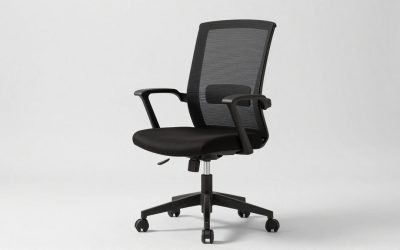
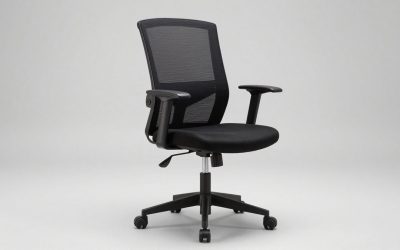
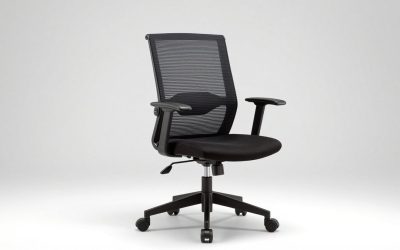
A rolling chair is just a chair with casters, but the term gets used loosely online, and that’s where people get burned. Searches for “rolling chair” turn up everything from $60 mesh-back stools to $900 ergonomic workstations, and the product photos rarely tell you which one you’re actually getting. If you’re buying for an 8-hour desk day, the casters matter less than the seat pan, lumbar support, and seat height range. Here’s how to sort through it without wasting money or your lower back.
What “rolling chair” actually means
Technically, any chair with a 5-wheel base is a rolling chair. In practice, listings use it to cover task chairs, gaming-style chairs, and basic mesh office chairs. The casters themselves are rarely the deciding factor unless you have hardwood or tile floors, in which case you want soft rubber casters instead of the hard plastic ones that ship standard on most budget chairs. Hard casters on hardwood will mark the floor and skate more than roll under load. If you’re not sure what’s under your current chair, flip it over before you buy a replacement, because swapping casters later is a $15 fix that most people never bother doing.
The bigger issue is that “rolling chair” as a search term pulls in a lot of chairs with no adjustability at all, fixed arm height, no lumbar adjustment, foam that’s going to pack down in 18 months. If you sit more than 4-5 hours a day, those shortcuts show up as stiffness first, then actual pain.
What to check before buying, in order of importance
Seat height range matters more than almost anything else, and it’s the spec people skip. Most desks sit around 28-30 inches high, which means you want a chair that adjusts somewhere in the 17-21 inch range to get your forearms level with the desk. If you’re under 5’4″ or over 6’2″, check the exact range in the listing, not just the product photo, because a lot of budget chairs cap out around 20 inches and will leave taller people hunched.
Lumbar support is the second filter. A fixed lumbar bump works fine if your lower back curve happens to match it, but it’s a coin flip. An adjustable lumbar pad, one that moves up and down and sometimes in and out, fits a wider range of torso lengths and is worth the extra $30-50 over a fixed one. If your lower back aches by mid-afternoon in your current chair, this is usually the fix, not a new cushion.
Seat depth and width come next. A seat that’s too deep pushes your knees up and forces you to either slouch back without touching the backrest or perch on the front edge, which defeats the lumbar support entirely. You want about 2-3 inches of clearance between the front edge of the seat and the back of your knees when you’re sitting all the way back.
Tilt tension and lock are nice to have but not dealbreakers. A chair that tilts without locking is fine for most people; a chair that doesn’t tilt at all gets uncomfortable in long stretches because you lose the ability to shift position.
What you actually get at each price tier
Below is a realistic breakdown based on what ships in each range, not marketing copy.
| Price range | What you typically get | Common failure point | Good fit for |
|---|---|---|---|
| $60-120 | Mesh or fabric back, fixed or no lumbar, basic height adjustment, hard casters | Foam compresses in 12-18 months; gas lift can sag within 2 years | Light use, under 4 hrs/day, occasional WFH |
| $150-300 | Adjustable lumbar, adjustable arms, better seat foam, wider height range | Armrests loosen over time; mesh can sag at edges | Full-time desk work, most home offices |
| $350-600 | Multi-point lumbar adjustment, synchro-tilt mechanism, higher weight capacity, better warranty (often 5-10 yrs) | Rare at this tier if from a known brand; occasional squeaky mechanism | 8+ hr days, existing back issues, shared/multi-user setups |
| $700+ | Premium materials, replaceable parts, longer warranties, finer-grained adjustment | Diminishing returns past this point for most bodies | People who’ve tried cheaper chairs and know exactly what they need |
The jump from the first tier to the second is where most people feel a real difference. The jump from $300 to $700 is mostly about materials lasting longer and fit tuning, not comfort you’ll notice on day one.
When the cheap chair is the right call
If you’re at a desk under 4 hours a day, or you’re furnishing a spare room you’ll use occasionally, a $70-100 chair is not a false economy. The foam will outlast your use case. Where cheap chairs fail is under sustained daily use, where the padding compresses unevenly and the lumbar bump (if there is one) ends up in the wrong spot for your back within a year. If you’ve already got mild lower back pain, skip this tier entirely regardless of budget, because a bad fit will make it worse, not just fail to help.
For most home offices, browsing a adjustable lumbar office chair in the $150-300 range covers the real-world need without overpaying for features you won’t use.
Casters, floor type, and mats
If you’re rolling on carpet, standard hard casters are fine; carpet provides enough resistance that they won’t skate. On hardwood, tile, or laminate, swap in soft rubber casters or add a chair mat, because hard casters will leave rolling scuff marks and the chair will drift under you when you lean. A hardwood floor chair mat runs $20-40 and is cheaper than refinishing a floor. If you want to skip the mat entirely, replacing the casters themselves is a 10-minute job on most chairs and costs about as much as the mat.
What to actually do
Measure your desk height and your own torso length before you shop, not after. Filter listings by seat height range and lumbar adjustability first, price second. If you sit long hours, spend the extra $100-150 to get into the adjustable-lumbar tier; it’s the single change most likely to matter. If you’re furnishing light-use space, don’t overthink it, a basic chair will do the job. For the main workhorse chair, it’s worth comparing a few ergonomic task chairs with adjustable arms side by side before deciding, since the difference in fit between models at the same price point can be bigger than the difference between price tiers.