Our Top Picks
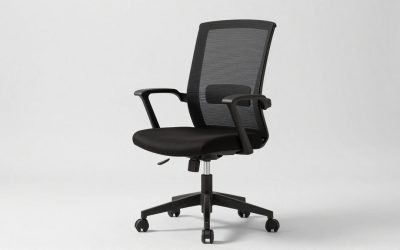
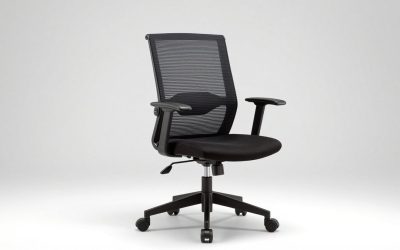
 ErgoSift Ergonomic Office Chair with Adjustable Seat Depth4D+without headrest12.2 x 20.87 x 30.31 inches43.65 PoundsCheck on Amazon


Most people buy a work from home chair the way they buy a phone case: fast, cheap, and with regret showing up around week three. The problem isn’t that budget chairs are useless. It’s that nobody tells you which specific failure point to check for before you spend money, so you end up guessing based on star ratings written by people who’ve owned the thing for four days.
This is written from the other side of that mistake. I’ve sat in a $90 mesh chair for a year, a $400 ergonomic chair for two years, and borrowed a $1,200 chair from a friend’s office long enough to know what the extra money actually buys. Short version: it’s not comfort, it’s adjustability and durability. Here’s how to pick without wasting a return shipping label.
What actually matters in a chair you’ll sit in for 8 hours
Lumbar support gets all the marketing attention, but the thing that determines whether a chair works for your body is seat depth adjustment. If the seat pan is too long, it digs into the back of your knees and you’ll end up perched on the front edge, which defeats the backrest entirely. Seat depth adjustment is the single feature that separates “ergonomic” chairs that actually fit from ones that just have the word in the product title.
After that, in order of how often they matter:
- Seat height range — needs to let your feet sit flat with knees at roughly 90 degrees relative to your desk height, not a generic “fits most” range
- Armrest adjustment (height + width, ideally depth) — fixed armrests are the most common reason people stop using armrests entirely
- Recline tension and lock — a chair that won’t lock upright will slowly wreck your posture because you unconsciously lean back to type
- Material breathability — mesh backs run cooler than foam/fabric, which matters more than people expect in a room without great airflow
Lumbar support matters, but only if it’s adjustable in height. A fixed lumbar bump assumes your torso length matches the designer’s average, and if you’re under 5’4″ or over 6’1″ that assumption often misses.
What you get at each price tier
I’d break the market into three honest tiers rather than the five a chair retailer will show you.
| Price range | What you actually get | Where it fails first |
|---|---|---|
| $80–150 | Mesh back, basic height/tilt adjustment, foam seat | Gas lift cylinder sags within 12-18 months of daily use; armrests often fixed |
| $200–400 | Adjustable lumbar, seat depth slide, 4D armrests, better tilt lock | Mesh can sag at the seat pan edge after 2-3 years; casters are often the weak point |
| $500+ | Higher-grade cylinders, better warranty (often 10-12 years), replaceable parts | Diminishing returns past this point are mostly about warranty and materials, not comfort |
The jump from tier one to tier two is the one that matters most for actual physical comfort. The jump from tier two to tier three is mostly about longevity and whether you can get a replacement part in year six instead of buying a whole new chair. If you’re under 40 hours a week at your desk, tier one is genuinely fine. If you’re full-time WFH, tier two is where most people land happily and stay.
The specific ways chairs fail (so you know what to check)
Gas cylinder sag is the most common complaint in budget chairs, and it’s almost never covered meaningfully by warranty because it reads as “normal wear.” You’ll notice it as the chair slowly sinking over a few weeks until you’re sitting lower than the height setting indicates. There’s no fix short of replacing the cylinder, which on a $100 chair usually isn’t worth the labor.
Mesh tearing happens at stress points, usually where the seat pan frame meets the mesh at the front edge. Cheap chairs use a stapled or glued mesh edge; better ones use a tensioned clip system that distributes load more evenly.
Casters are an underrated failure point if you’re on hardwood or laminate. Standard hard casters will mark soft flooring and can crack over time on hard flooring from debris getting lodged in the wheel housing. If you’re not on carpet, soft urban casters are worth the $15-20 swap regardless of chair price.
What to actually buy
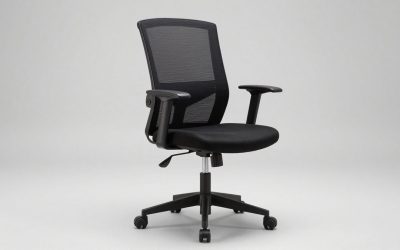
If you’re testing the waters on a dedicated office setup or you’re tight on budget, a mesh task chair in the $100-150 range covers the basics without wasting money on a chair you might outgrow in preference. Look specifically for ones advertising adjustable lumbar and seat depth even at this price, since a few budget models now include it. Browsing mesh office chairs with adjustable lumbar support will show you the current options worth comparing.
If you’re at a desk 6+ hours a day, five days a week, spend the extra $150-250 for a chair with real seat depth adjustment and 4D armrests. This is the tier where chairs stop forcing you to adapt to them and start adapting to you. Search for ergonomic chairs with adjustable seat depth to see what’s currently available in that range.
If you’ve already got a decent chair but your floor is getting chewed up or your casters are grinding, don’t replace the whole chair. A set of replacement casters for hardwood floors runs under $25 and solves the actual problem.
One thing worth saying plainly: no chair fixes bad desk height or monitor position. I’ve seen people spend $600 on a chair while their monitor sits 6 inches too low, which guarantees neck strain no matter what they’re sitting on. Fix the desk setup first, then decide if the chair is actually the bottleneck.