Our Top Picks
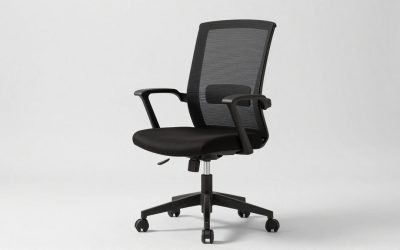
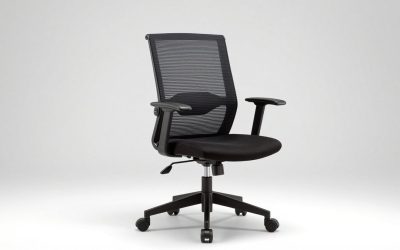
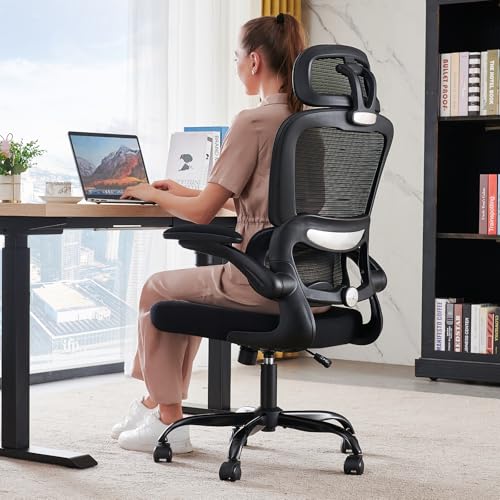 TRALT Office Chair Ergonomic Desk Chair with LumbarPack of 127.6 x 27.6 x 49.2 inches28 poundsCheck on Amazon
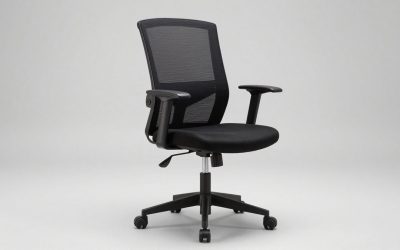
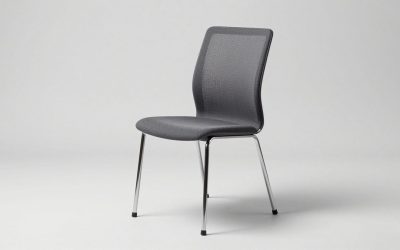
 Marsail Ergonomic Office Chair: Office Desk Chair with46.9" x 24.8" x 24.4"46.9 x 24.8 x 24.4 inches30.42 PoundsCheck on Amazon
Pros & cons
- 3D armrests adjust for multiple working postures
- Supports up to 330 pounds for a wide user range
- Adjustable lumbar moves to match height and body shape
- At over 30 pounds, it is heavier to move around
- Multiple adjustment points add setup complexity

“Revolving chair” is mostly a search term, not an industry term. If you’ve typed it into Google, you’re almost certainly looking for what manufacturers call a swivel chair or task chair. That matters because the search results you get back are a mess of dining chairs with casters, cheap typing chairs, and genuine ergonomic office seating all tagged with the same keyword. Knowing what you actually need before you buy will save you a return shipping hassle.
What “revolving chair” actually means
A revolving chair is any chair that rotates on its base, usually via a swivel mechanism mounted on a gas lift cylinder. That covers everything from a $60 mesh-back chair to a $900 ergonomic executive chair. The swivel and height-adjust functions are table stakes now, even on budget chairs, so they’re not the thing to evaluate. What separates a chair worth buying from one you’ll regret is the stuff underneath: seat foam density, lumbar support quality, and the tilt mechanism.
If you sit more than 4-5 hours a day, the base revolving mechanism is the least important spec. Spend your attention on lumbar support and seat depth adjustability instead.
Matching the chair to how you actually sit
Three buyer profiles cover most people shopping for this:
Occasional use (under 3 hours/day): A basic mesh task chair is genuinely fine here. You don’t need adjustable lumbar or a synchro-tilt mechanism. Something in the mesh office chair range at $80-150 will do the job without wasting money on features you won’t use enough to justify.
Full workday use (5-8 hours): This is where lumbar support stops being a nice-to-have. You want a chair with an adjustable lumbar pad (height and depth, not just a fixed curve molded into the back) and a seat pan long enough to support your thighs without pressing into the back of your knees. Budget $200-400.
Back pain or existing injury: This is a different purchase entirely, closer to medical equipment than furniture. Look at ergonomic chairs with adjustable lumbar support and expect to pay $300+. If you have a diagnosed condition, this is also a case where talking to a physiotherapist about your specific posture needs beats any buying guide.
Specs that actually predict comfort
Here’s what to check against the product listing before buying, roughly in order of how much they matter:
| Spec | Why it matters | What to look for |
|---|---|---|
| Seat foam density | Low-density foam compresses flat within 1-2 years, causing a “bottomed out” feel | High-density or molded foam, 2.5″+ thickness |
| Lumbar adjustability | Fixed lumbar curves rarely match your actual spine curve | Height-adjustable, ideally depth-adjustable too |
| Seat depth | Too deep and it presses behind your knees; too shallow and your thighs aren’t supported | Sliding seat pan, 2″+ of travel |
| Tilt mechanism | Fixed-tilt chairs force you into one angle all day | Synchro-tilt with tension adjustment and lock |
| Armrest adjustment | Wrong height causes shoulder shrugging, which causes neck pain | Height and width adjustable, 4D if budget allows |
| Weight rating | Chairs rated under your body weight fail faster at the gas cylinder and base | Rating at least 50 lbs above your weight |
What you get at each price point
At $80-150, you’re buying a chair that will be comfortable for the first 6-12 months and then noticeably worse. The foam softens, the lumbar pad (if there is one) was never adjustable to begin with, and the gas cylinder may start sinking under weight. This is an acceptable trade-off if you’re a light user or furnishing a home office you might reconfigure in a year anyway.
At $250-450, foam density improves meaningfully and lumbar adjustment becomes real rather than cosmetic. This is the sweet spot for most full-time desk workers. You’re not paying for a brand name yet, you’re paying for mechanisms that don’t fail in year two.
Above $600, you’re paying for build tolerances, warranty length (10-12 years vs 2-3), and sometimes genuinely better ergonomics like adjustable seat depth and 4D armrests. Worth it if you sit 8+ hours daily for years. Not worth it for occasional use, no matter how good the reviews are.
Mistakes that lead to returns
The most common failure mode isn’t a bad chair, it’s a mismatched chair. A few patterns show up repeatedly in return reasons and reviews:
Buying based on seat height range without checking it against your desk height. If your desk is a fixed 29″ and the chair’s max height puts your elbows below the desk surface, no amount of lumbar support fixes that.
Assuming mesh backs are automatically better for airflow and comfort. Mesh is good for heat but offers less structured support than a padded back with a real lumbar curve. If you run cold or have lower back issues, padded can be the better call.
Ignoring the base material. Nylon bases are standard and fine. Chrome bases look nicer but add cost without adding durability. This is a case where spending more buys you aesthetics, not function.
Bottom line
If you’re shopping for a revolving chair, you’ve essentially decided on the swivel part already, every modern chair does that. The real decision is lumbar support, seat depth, and foam quality, matched to how many hours you actually spend sitting. A reasonable default for most desk workers is a mid-range ergonomic office chair with adjustable lumbar support in the $250-400 range, upgraded only if you have a specific back condition or sit well past 8 hours a day.