Our Top Picks
Pros & cons
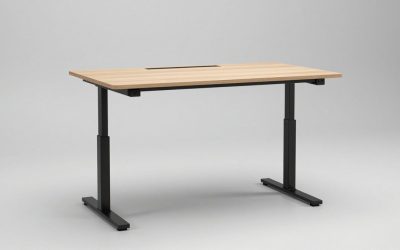
- Four memory presets simplify switching between heights
- Aerospace-grade lifting columns aim for long-term stability
- Low-VOC materials support a healthier indoor workspace
- 48 x 24 inch top limits room for larger multi-monitor setups
- At nearly 44 pounds, assembly needs some help
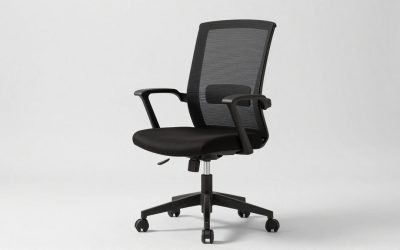
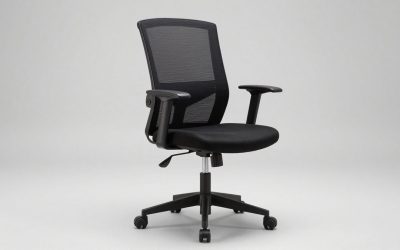
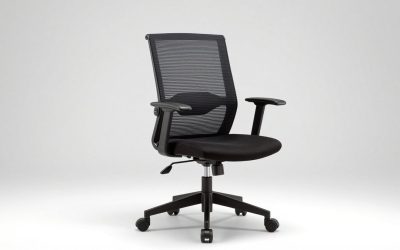
 Marsail Ergonomic Office Chair: Office Desk Chair with46.9" x 24.8" x 24.4"46.9 x 24.8 x 24.4 inches30.42 PoundsCheck on Amazon
Pros & cons
- 3D armrests adjust for multiple working postures
- Supports up to 330 pounds for a wide user range
- Adjustable lumbar moves to match height and body shape
- At over 30 pounds, it is heavier to move around
- Multiple adjustment points add setup complexity


Start with Zones, Not Furniture
Most home office organizing fails because people buy storage first and figure out the layout later. Work backward instead. You have three zones that matter: the task zone (desk, chair, monitor), the reference zone (files, books, anything you grab a few times a day), and the dump zone (printer paper, cables, the stuff you need monthly, not hourly). If your desk is also your filing cabinet and your cable drawer, you’ll spend the first ten minutes of every work session just clearing space to type.
A one-bedroom-office setup (roughly 80-120 square feet) usually only needs one shelf unit and one small cabinet to cover zones two and three. Bigger rooms tempt people into buying more storage than they’ll ever fill, which just becomes a second dump zone.
Why the Desk Decision Comes First
Everything else in the room gets planned around the desk’s footprint, so pick that before anything else. A 48-inch desk works for a laptop and one monitor. If you run two monitors or do paperwork alongside a screen, go 60 inches minimum or you’ll be stacking things on your lap by Wednesday.
Depth matters more than people think. A 24-inch-deep desk feels cramped the moment you add a monitor arm or a laptop stand behind the keyboard. 30 inches gives you room to push the monitor back and still have a few inches for a notebook or mouse mat behind the keyboard line.
Standing desks are worth the money if you’re at the desk 6+ hours a day, less worth it if you’re there 2-3 hours. The failure mode with cheap electric standing desks isn’t the motor, it’s wobble at full height — a cheap frame at 45 inches with a monitor on it will sway when you type. If you want one, check weight capacity and look at reviews mentioning wobble specifically, not just assembly complaints. Browse standing desks and filter by desks rated for at least 150 lbs if you’re running dual monitors.
The Chair Is Not the Place to Cut Corners
A bad chair doesn’t just hurt your back, it also wrecks your organization system because you start getting up constantly or slouching into positions where your desk surface becomes unreachable clutter. If you sit more than 4 hours a day, spend real money here before you spend it on shelving.
The specs that actually matter: seat height range (look for at least 17-21 inches to fit most desk heights), lumbar support that’s adjustable (not just a built-in bump), and armrests that adjust in height and width, not just height. A $150 chair with none of these will feel fine for a month and then start causing lower back tightness by month three — that’s the common failure mode, not something breaking.
If budget is tight, the cheaper option is genuinely fine for part-time use (under 3 hours a day) — just don’t buy the cheapest mesh chair with zero adjustability expecting it to hold up daily. Compare a few ergonomic office chairs in the $150-300 range before going higher.
Matching Storage to How You Actually Work
Storage choice depends on whether your clutter is paper, cables, or just visual noise from having too much on the desk. Here’s how the common options stack up:
| Storage Type | Best For | Downside | Typical Cost |
|---|---|---|---|
| Under-desk drawer unit | Pens, chargers, small daily items | Limited capacity, can hit knees if too deep | $30-80 |
| 2-drawer filing cabinet | Paper documents, tax records | Takes floor space, often underused in digital-first homes | $60-150 |
| Open wall shelving | Books, reference binders, display items | Collects dust, visible clutter if not maintained | $40-120 |
| Closed cabinet/credenza | Printer, paper stock, anything you don’t want visible | Most expensive, needs floor space | $150-400 |
| Cable management tray/box | Power strips, chargers, routers | Doesn’t solve storage, only tidiness | $10-25 |
If you’re mostly digital, skip the filing cabinet entirely — a single accordion folder in a desk drawer covers 90% of households’ paper needs. The cabinet becomes dead weight that just gets filled with things you’ll never look at again.
Lighting Changes How Organized a Room Feels
This gets skipped constantly, but bad lighting makes clutter look worse and makes you squint toward your screen, which leads to hunching, which leads to desk clutter creeping toward you because you’re leaning in. Overhead ceiling lights alone create glare on monitors and flat shadows on your desk surface — you end up with a harsh contrast between a bright ceiling and a dim desk.
Two light sources fix most home offices: a desk lamp with adjustable color temperature (aim for 4000-5000K for daytime focus work, warmer in the evening) and either a window or a secondary ambient light behind the monitor to cut screen glare. A $25 clip-on desk lamp solves 80% of the problem; you don’t need a $150 smart lamp unless you specifically want app-controlled scheduling. Look at adjustable desk lamps with at least 3 brightness levels and a position that lets you angle light away from the screen.
One common mistake: placing the desk facing a window. It feels bright and pleasant but creates backlight glare on video calls and forces you to squint at your monitor against the daylight behind it. Side-on to the window is almost always better.
The Part Nobody Talks About: Weekly Reset
No shelf or drawer system stays organized without a weekly reset — five minutes on Friday where you clear the desk surface back to zero and put loose papers into their zone. People buy organizers expecting the furniture to do the organizing. It doesn’t. The furniture just makes the five-minute reset possible instead of impossible. If you’re still hunting for a stapler after buying three organizers, the problem isn’t more storage, it’s that nothing has a fixed home yet. Assign one spot per category before buying anything else, then let the furniture follow that decision instead of the other way around.