Our Top Picks
Pros & cons
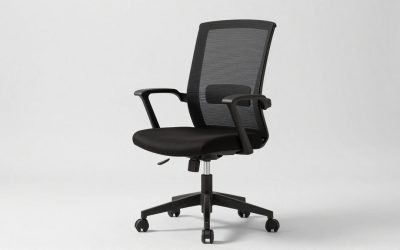
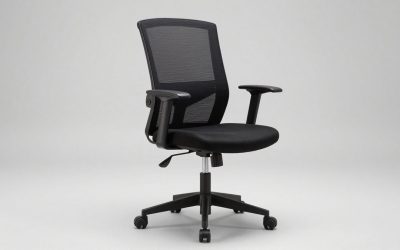
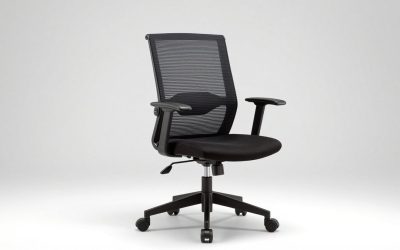
- S-shaped backrest curve supports natural spine posture
- Meets SGS and BIFMA certification for stability
- Flip-up armrests let the chair slide under the desk
- PU leather surface needs wiping to avoid sweat buildup
- 300-pound capacity trails some heavier-duty chairs
Pros & cons
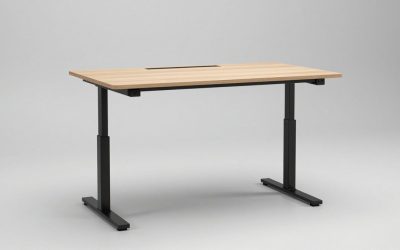
- Four memory presets simplify switching between heights
- Aerospace-grade lifting columns aim for long-term stability
- Low-VOC materials support a healthier indoor workspace
- 48 x 24 inch top limits room for larger multi-monitor setups
- At nearly 44 pounds, assembly needs some help


What actually matters in a study chair
A study chair gets different treatment than an office chair, even though people shop them the same way. Study sessions tend to involve more forward-leaning posture (reading, writing, leaning into a laptop) and less reclining. That changes the priority list: lumbar support and seat depth matter more than fancy recline mechanisms, and armrests matter less if you’re writing by hand or working close to a desk.
The three things that make or break a chair for study use are seat height range, seat depth, and lumbar support. If the seat is too high, your feet dangle and your lower back takes the load. If it’s too deep, the edge cuts into the back of your knees and you end up slouching to compensate, which defeats the point of a supportive chair. Lumbar support doesn’t need to be adjustable to work, but it does need to actually hit the curve of your lower back, not your mid-back.
What you get at each price point
Study chairs roughly split into three tiers, and the jump in quality isn’t linear with price.
| Price range | What you typically get | Good fit for |
|---|---|---|
| $60–$120 | Mesh or fabric back, basic height adjustment, fixed or no lumbar support, nylon casters | Students, light daily use, shared desks |
| $150–$300 | Adjustable lumbar, seat depth slide, better tilt tension, more durable gas cylinder | Daily 4+ hour study or WFH sessions |
| $350+ | Multi-point adjustability, higher-grade foam that resists compression, better warranty (10+ years) | People with back issues, or chairs expected to last a decade |
The $60–$120 tier is genuinely fine for a lot of people, especially students who aren’t sitting for eight hours straight. Where it fails is foam compression after about a year of daily use, and lumbar support that’s molded into the shape of the backrest rather than adjustable, so it either fits your back or it doesn’t. If you’ve tried one and your lower back aches by hour two, that’s the foam or the lumbar position, not something you can fix with a cushion forever.
Task chair or ergonomic office chair?
These get marketed almost interchangeably, but there’s a real difference. A basic task chair is built around simplicity: fixed or single-lever height adjustment, a backrest that doesn’t move independently, and a lighter frame. It’s enough for most study use because you’re not reclining to take calls or lounging between tasks.
An ergonomic office chair adds independent seat depth adjustment, a lumbar pad you can move up or down, and usually a wider recline range with tension control. The honest case for spending the extra $100-200 here is specific: if you’re over 6 feet tall or under 5’3″, standard task chairs often don’t fit your seat depth or height range well, and the ergonomic tier gives you the adjustment range to actually dial it in. If you’re an average height sitting for 2-3 hours at a stretch, the task chair tier is not a compromise, it’s just the right tool.
Mesh vs. fabric vs. padded
Mesh backs breathe better and don’t trap heat, which matters if you’re in a warm room or you run hot. The trade-off is that cheap mesh sags within a year or two and loses its shape, so it stops supporting your back the way it did on day one. Fabric and padded backs hold their shape longer but can feel warm during long sessions, especially in summer. If your study space doesn’t have AC running most of the day, mesh is worth the shape trade-off. If temperature isn’t an issue, padded fabric lasts longer and feels better after a year.
Match the chair to the desk, not just your body
A chair that’s perfect in isolation can still be wrong for your setup if it doesn’t match your desk height. Standard desks sit around 28-30 inches high. If your chair’s seat height range tops out at 20 inches, your elbows will sit below the desk surface, which forces your shoulders up and causes the kind of tension headaches people blame on “bad posture” without realizing it’s a height mismatch. Before buying a chair, measure your desk height and check the chair’s seat height range against it, aiming for your forearms to rest level with the desktop when seated.
If you’re setting up the whole station at once rather than just swapping the chair, it’s worth checking that your desk and chair ranges actually overlap before either arrives, since returning a desk is a bigger hassle than returning a chair.
Signs you need to replace, not adjust
Not every discomfort means you need a new chair. Try these before replacing anything: raise the seat height until your knees sit at roughly 90 degrees, check the lumbar support actually sits at your belt line rather than your shoulder blades, and tighten the tilt tension so the backrest doesn’t flop when you lean back. A surprising number of “bad chair” complaints are actually “badly adjusted chair” problems.
Replace it when the gas cylinder sinks on its own within a few minutes of sitting (that’s a seal failure, not fixable), when foam has compressed enough that you can feel the frame underneath, or when casters have worn down enough to catch on flooring. Those are mechanical failures, not posture problems, and no amount of adjusting fixes them.