Key takeaways
- Soft blue-gray (e.g., Benjamin Moore Palladian Blue, Farrow & Ball Pigeon): Reads as calm and professional on Zoom, doesn’t yellow under warm light the way beige can, and hides minor wall imperfections better than flat white.
- Warm greige: A safe middle ground. Neither cold nor beige-y-orange. Works if your desk and shelving are wood-toned, since it won’t clash.
- Sage or muted olive green: Trendy for a reason — it’s flattering on camera (better than most blues for skin tone) and still neutral enough not to date your room in two years. Avoid bright kelly green; it reflects onto skin and looks sickly on video.
- Deep navy or charcoal, but only as a single accent wall: Works if the room gets strong natural light during the day, since the darkness reads as rich rather than cave-like. In a windowless office, skip it entirely — it’ll make the room feel smaller and darker than it already is.
Wall color in a small home office does more work than people expect, because small rooms have nowhere to hide a bad choice. A dark accent wall that looks moody in a 200-square-foot living room will swallow light in a 70-square-foot office and make you squint at your monitor by 3pm. Before picking a swatch, think about what the color has to do: bounce light around, stay calm on video calls, and not fight with your desk setup for attention.
Why “just paint it white” isn’t the full answer
White reflects the most light, which matters in a small room with one window. But flat builder white (often an off-white like Sherwin-Williams’ Alabaster or Behr’s Swiss Coffee) can look sickly under cheap LED bulbs, especially the 5000K “daylight” bulbs a lot of desk lamps ship with. If you’re going white, pair it with warmer bulbs in the 2700-3000K range, or the room will read clinical rather than clean. A $9 bulb swap fixes more color problems than a $60 can of paint.
White also shows every scuff from a desk chair rolling backward into the wall and every scratch from monitor arm clamps. If your desk sits against the wall, that’s worth factoring in before you commit to a flawless-looking swatch card.
The colors that actually work in small offices
Based on how light behaves in small rooms, a few categories consistently perform better than others on camera and in person:
- Soft blue-gray (e.g., Benjamin Moore Palladian Blue, Farrow & Ball Pigeon): Reads as calm and professional on Zoom, doesn’t yellow under warm light the way beige can, and hides minor wall imperfections better than flat white.
- Warm greige: A safe middle ground. Neither cold nor beige-y-orange. Works if your desk and shelving are wood-toned, since it won’t clash.
- Sage or muted olive green: Trendy for a reason — it’s flattering on camera (better than most blues for skin tone) and still neutral enough not to date your room in two years. Avoid bright kelly green; it reflects onto skin and looks sickly on video.
- Deep navy or charcoal, but only as a single accent wall: Works if the room gets strong natural light during the day, since the darkness reads as rich rather than cave-like. In a windowless office, skip it entirely — it’ll make the room feel smaller and darker than it already is.
Light direction matters more than the swatch
The single biggest mistake people make is picking a color off a paint chip under store lighting, then being surprised when it looks completely different at their desk. North-facing rooms get cool, flat light all day, which makes blues and grays look colder and more clinical than they appeared on the card ��� warm them up by going one or two shades warmer than you think you want. South-facing rooms get warm, strong light, so cool colors like blue-gray balance it out nicely. East and west-facing rooms shift dramatically between morning and evening, so test your sample at both times before committing.
Buy a sample pot and paint a 2×2 foot section, not a 6-inch swatch. Small swatches lie. Look at it at 9am, 1pm, and 7pm with your actual desk lamp on, since that’s the lighting you’ll be working under for a chunk of the day.
Quick comparison for different office situations
| Room situation | Best color direction | Why |
|---|---|---|
| No window, one overhead light | Warm white or soft greige | Maximizes reflected light, avoids looking cave-like under artificial-only lighting |
| Small window, north-facing | Warm sage or warm gray | Counteracts the cool, flat daylight so the room doesn’t feel sterile |
| Bright south or west window | Blue-gray or deep navy accent wall | Strong natural light balances the cooler or darker tone instead of making it gloomy |
| Used mainly for video calls | Sage, soft blue, or warm greige behind the camera | These tones flatter skin tone on webcam better than stark white or saturated colors |
Finish matters as much as color
Eggshell or matte finish is the right call for office walls. Satin and semi-gloss bounce more light but also show every roller mark and glare straight into your camera during calls, which looks worse on video than a slightly duller wall. Save glossier finishes for trim and doors, not the wall behind your monitor.
Let your desk and lighting drive the decision, not the other way around
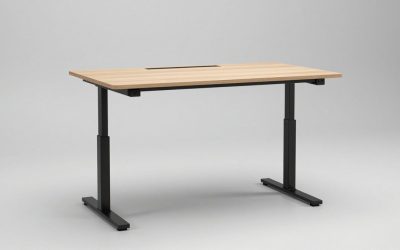
If you already have a wood desk and a adjustable desk lamp, pick a wall color that complements the wood tone rather than fighting it — warm greige or sage both pair well with oak or walnut desks, while cool blue-gray tends to look better against black or white furniture. If your current overhead lighting is harsh fluorescent or a bare bulb, consider swapping in a floor lamp with warm bulbs before you repaint, since better lighting alone can make an existing wall color look dramatically better without touching a brush.
And if the room still feels small and dim after a repaint, a well-placed wall mirror opposite the window does more for perceived light and space than another coat of paint ever will. Paint sets the tone, but it’s one piece of a small room’s lighting puzzle, not the whole fix.