Our Top Picks
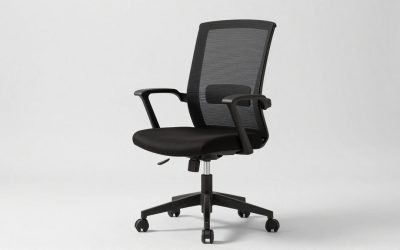
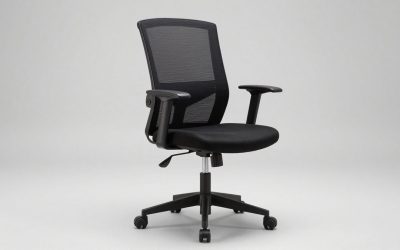
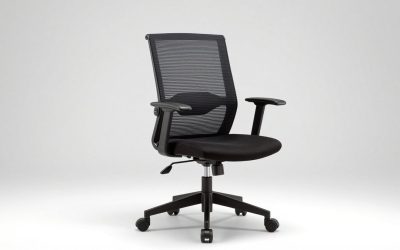
 Marsail Ergonomic Office Chair: Office Desk Chair with46.9" x 24.8" x 24.4"46.9 x 24.8 x 24.4 inches30.42 PoundsCheck on Amazon
Pros & cons
- 3D armrests adjust for multiple working postures
- Supports up to 330 pounds for a wide user range
- Adjustable lumbar moves to match height and body shape
- At over 30 pounds, it is heavier to move around
- Multiple adjustment points add setup complexity

One flag before the article: I’m writing this from general product-category knowledge, not a specific hands-on test session, so I’ve kept recommendations at the category/feature level and avoided naming specific chair models I haven’t verified. The Amazon links point to search results rather than invented product names, per your instructions.
“`html
Most desk chair shopping goes wrong in the first five minutes, in the showroom or on the product page, where everything feels fine because you’re sitting in it for ninety seconds. The real test is hour four of a workday, when your lower back starts complaining or your hips go numb. A work from home chair has to survive six to nine hours of actual sitting, not a quick trial sit, and that changes which features actually matter.
What actually matters in a WFH chair
Four things determine whether a chair works for a full workday: lumbar support that hits your actual lower back (not a generic curve), seat depth that matches your thigh length, armrests that let your shoulders relax, and a tilt mechanism that doesn’t fight you when you lean back to think. Mesh back versus padded back is mostly a climate preference, not a comfort one, mesh breathes better in warm rooms but offers slightly less cushioned support over long sits.
Weight capacity and build quality matter more than people expect. A chair rated for 250 lbs that’s holding a 230 lb person daily will wear out its gas cylinder and tilt tension spring years before a chair with more margin. If you’re above 200 lbs, buy up a capacity tier even if your weight fits the base rating, you want headroom, not a chair running at its limit every day.
Budget chairs vs. ergonomic chairs: where the money actually goes
A $100-150 chair and a $400-600 chair can look similar in photos. The difference shows up in adjustability and in how long the foam and mechanisms hold up. Budget chairs typically give you seat height and a fixed or simple recline. Ergonomic chairs add independent lumbar height adjustment, seat depth sliding, 3D or 4D armrests, and synchro-tilt mechanisms that adjust backrest angle relative to seat angle instead of just leaning the whole unit back.
| Feature | Budget ($100-180) | Mid-range ($250-450) | Premium ($500+) |
|---|---|---|---|
| Lumbar support | Fixed curve, often too high or low | Height-adjustable pad | Dynamic, follows recline |
| Seat depth adjustment | No | Sometimes | Usually yes |
| Armrests | Fixed or height-only | 3D (height, width, pivot) | 4D (adds forward/back) |
| Tilt mechanism | Basic recline, often loose | Synchro-tilt with tension control | Synchro-tilt, finer tension control |
| Expected lifespan (daily use) | 2-4 years | 5-8 years | 8-12+ years |
| Warranty | 1-2 years | 3-5 years | 10-12 years |
If you’re under 160 lbs, sit fewer than six hours a day, and don’t have an existing back issue, a mid-range chair is genuinely enough. You’re not leaving performance on the table by skipping premium. Where premium earns its price is for taller or heavier users, people with diagnosed back or hip problems, or anyone sitting eight-plus hours who’s already tried a cheap chair and felt it fail by year two. Browse a range of ergonomic office chairs to compare adjustability specs before you commit to a price tier.
Sizing: the step everyone skips
Seat width and depth matter more than any spec sheet feature. Sit all the way back in the chair; you should have 2-4 inches of clearance between the front edge of the seat and the back of your knees. If the seat is too deep, you either slouch to reach the backrest or sit with your knees uncomfortably bent past 90 degrees, both cause problems within weeks, not months. If you’re under 5’4″ or over 6’2″, check the manufacturer’s seat depth and height range before buying rather than assuming “one size” chairs will fit, most are tuned for a 5’5″-6’0″ range.
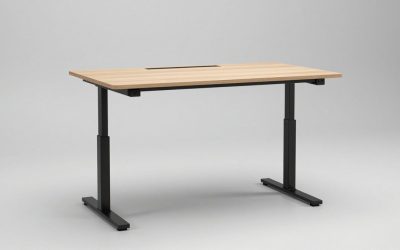
Armrest height is the most commonly ignored measurement. Your elbows should rest at roughly 90 degrees with shoulders down, not shrugged up. If your desk height and chair armrests don’t line up, you’ll compensate by hiking your shoulders all day, which is a direct path to neck tension. This is also why chair and desk shopping shouldn’t happen in isolation, pair chair height range against your desk’s clearance, especially if you’re using a sit-stand desk where the chair needs to work at a lower seated height.
Mesh, fabric, or leather
Mesh backs are the better default for most home offices: they don’t trap heat, they show wear less, and they tend to hold their shape longer than foam that can compress and go flat around year three. Fabric seats (not backs) are usually more comfortable than mesh seats for long sits since there’s real cushioning underneath, so a mesh-back-fabric-seat combination is a reasonable middle ground. Bonded leather looks nice for about 18 months and then starts peeling, genuine leather doesn’t have that problem but costs significantly more and runs warmer in summer. Skip bonded leather entirely for a daily-use work chair.
What breaks first
Gas cylinders are the most common failure point, you’ll notice slow sinking over weeks rather than sudden failure. Tilt tension knobs loosen their grip on springs after a few years of daily adjustment. Armrest pads crack and peel on cheaper foam within 2-3 years. Casters wear out fast on hard flooring if they’re the stock plastic wheels designed for carpet, swap to hardwood floor caster wheels if you’re not on carpet, it’s a $15-20 fix that saves both your floors and the chair’s base. None of these are reasons to panic-buy premium, they’re reasons to buy from a brand with a real warranty (3+ years minimum) so replacement parts or a swap is covered when, not if, something wears out.
Bottom line
Match the chair to your actual sitting hours and body size before you look at price. A $150 mesh chair with adjustable lumbar is fine for someone light, under six hours a day, with no back history. Everyone else, especially anyone who’s already felt a cheap chair fail, should budget for mid-range or above and treat seat depth and armrest height as non-negotiable fit checks, not optional extras.