Our Top Picks
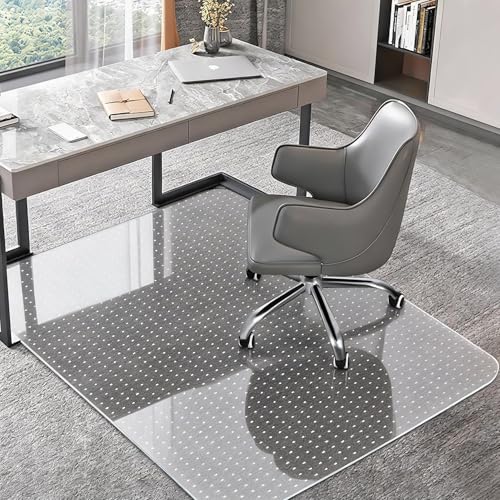 BesWin Office Chair Mat for Carpet48" X 30" Rectangle (for Carpet)48 x 30 x 0.09 inchesCheck on Amazon

Carpet changes the chair equation more than people expect. Hard casters that roll fine on hardwood or laminate turn into a fight on carpet, especially anything with a thick pad underneath. The chair feels sluggish, you have to shove it with your legs to move it, and over months you’ll notice carpet fibers getting crushed and matted in a track pattern under the chair. The fix isn’t a fancier chair, it’s matching the casters and base to the floor you actually have.
Why casters matter more than the chair
Most office chairs ship with hard plastic casters designed for hardwood or tile. On carpet, especially mid-to-high pile with a pad, those wheels sink in slightly and drag instead of rolling. You end up pushing harder, which transfers more force into the carpet fibers and backing. Over a year or two that creates visible wear ruts.
The actual fix is soft rubber casters, sometimes sold as “carpet casters,” which have a wider contact patch and roll instead of dig. If you already own a chair you like, swapping the casters is usually a $15-25 fix rather than a $300 chair replacement. Most casters use a standard 7mm or 10mm grip ring stem, and you just pull the old ones out and push the new ones in. Check your stem size before ordering, it’s the one thing people get wrong. You can browse carpet caster replacement sets and most are sold in packs of five.
Chair mats: the other half of the problem
Even with good casters, a chair mat solves a second problem: carpet compression. Sit in the same spot for a few hours a day, five days a week, and the carpet pile under your chair flattens permanently within a few months. A hard plastic mat spreads your weight out and keeps the chair rolling smoothly regardless of caster type.
The trade-off is mats aren’t free of downsides. Cheap PVC mats curl at the edges within a year, especially in dry heated rooms during winter, and they can off-gas a plastic smell for the first week or two. Polycarbonate mats cost two to three times more but stay flat and don’t yellow. For a standard desk setup, you want something in the 45×53 inch range at minimum if you also roll back from the desk often, bigger if you have an L-shaped setup. Look at chair mats for carpet rated for your pile height, mats are usually labeled for low, medium, or high pile and using the wrong one means it rocks or cracks.
Pile height changes the answer
Low pile carpet (think builder-grade office carpet, under half an inch) is forgiving. Soft rubber casters alone usually fix the rolling problem, and a mat is optional unless you’re worried about wear patterns. Medium and high pile, or anything with a thick pad underneath, is where chairs really struggle. The caster sinks in, the chair tilts slightly forward or back depending on wheel position, and five-point stability becomes less stable than it looks.
If you’ve got high pile or plush carpet, a mat stops being optional. It’s the difference between a chair that rolls and one that you have to physically drag.
| Carpet type | Caster upgrade needed? | Mat needed? | Typical issue without fix |
|---|---|---|---|
| Low pile (commercial, <0.5 in) | Helpful but optional | Optional | Minor drag, slow rolling |
| Medium pile (residential, 0.5-0.75 in) | Yes | Recommended | Noticeable sinking, wear ruts |
| High pile / plush (0.75 in+) | Yes | Yes, essential | Chair won’t roll, tips on uneven pile |
| Carpet with thick pad | Yes | Yes, essential | Base sinks, chair feels unstable |
Does the chair itself matter?
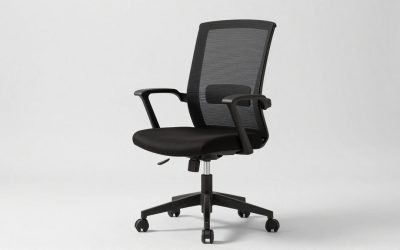
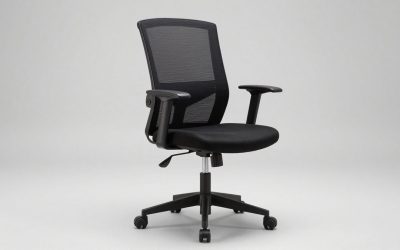
Less than you’d think, with one exception: base width and wheel count. A five-star base with wider spacing distributes weight better on soft flooring than a narrower four-wheel base, which is more common on cheaper task chairs. If you’re shopping for a new chair specifically for a carpeted office, prioritize a wide five-point base over mesh back or lumbar adjustability, those matter for comfort but not for how the chair interacts with your floor.
Chair weight matters too, counterintuitively in the opposite direction people expect. A heavier chair (steel frame, bigger seat) pushes casters down into carpet pile more, making rolling harder regardless of wheel type. A lighter chair with good casters often rolls better on carpet than a heavy “executive” chair with stock hard wheels.
What to actually buy
If you already own a chair you’re happy with, don’t replace it. Swap the casters first, that’s a 10-minute job and solves 80% of the rolling complaint. Add a mat if you’re on medium or high pile, or if you care about long-term carpet wear under the chair.
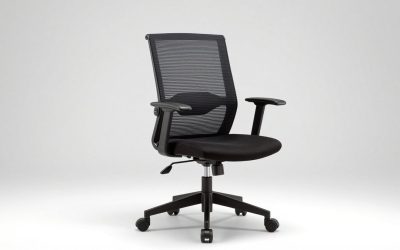
If you’re buying new specifically because your current chair fights the carpet, look for one that explicitly lists soft or carpet-rated casters in the description, rather than assuming. A lot of listings bury this detail or don’t mention it at all, which usually means it ships with standard hard casters. You can filter through office chairs with carpet casters and check the product images for wheel material before buying, since the written specs aren’t always reliable.
Skip the premium ergonomic chairs if the only problem you’re solving is carpet rolling, that’s solved by a $20 caster swap, not a $500 chair. Spend the ergonomic budget on the chair’s actual comfort, and spend $20-40 separately on casters and a mat to deal with the floor.