Our Top Picks
Pros & cons
- Four memory presets simplify switching between heights
- Aerospace-grade lifting columns aim for long-term stability
- Low-VOC materials support a healthier indoor workspace
- 48 x 24 inch top limits room for larger multi-monitor setups
- At nearly 44 pounds, assembly needs some help


What You Actually Pay For
A study table stand is a vague category label that covers three very different things: a fixed-height table riser, a crank-adjustable desk, and an electric sit-stand desk. Prices track that split almost exactly. You’ll see plastic laptop risers for $20, full crank-adjustable study desks for $150-$250, and electric versions starting around $220 and climbing past $500 once you add bigger tops or dual motors. If you’re shopping by price alone without knowing which type you need, you’ll either overpay for features you won’t use or underpay and end up with something that can’t hold a monitor steady.
Before you look at price tags, decide whether you need height adjustment at all during the day, or just a one-time height fix. A kid’s study table that’s too low for a growing teenager is a different problem than an adult who sits for six hours and wants to switch to standing twice a day.
Price Tiers, Broken Down
Here’s roughly what you get at each price point, based on what’s actually sold in this category rather than marketing copy.
| Price Range | Typical Mechanism | Weight Capacity | Realistic Use Case |
|---|---|---|---|
| $20-$50 | Fixed riser, foldable stand | 5-15 lbs | Laptop only, occasional use, no monitor |
| $80-$150 | Manual crank or pneumatic lift | 20-40 lbs | Single monitor or laptop, daily student use |
| $150-$280 | Single-motor electric | 80-110 lbs | Monitor + laptop, kids’ desks, light home office |
| $300-$500+ | Dual-motor electric, steel frame | 150-220 lbs | Dual monitors, daily adult standing use, long-term durability |
The jump from single-motor to dual-motor matters more than people expect. Single-motor desks lift from one side and transfer force through a crossbar, which works fine under 100 lbs but starts to wobble and rack sideways once you load up two monitors and a dock. If you’re outfitting a kid’s study table that just needs to go from sitting to standing height a few times a day, single-motor is genuinely fine and you’re wasting money going dual-motor.
Where the Money Actually Goes
Three things drive price inside each tier, and only one of them is worth paying extra for consistently.
Motor count and lift speed. Dual motors cost $60-$100 more than single, and they’re worth it if the desk will carry more than two monitors or see heavy daily use. Lift speed (1.5 inches/second vs. 1 inch/second) is a comfort feature, not a durability one — skip paying extra for speed alone.
Frame material and tabletop. Steel frames with powder coating resist wobble better than the thinner aluminum extrusions on budget models. A cheap steel-vs-aluminum tell: grab the frame at desk height and push sideways. Anything that flexes more than about a quarter inch will annoy you within a month, especially if you’re writing by hand rather than just typing.
Control panel features. Memory presets, USB ports, and anti-collision sensors add $20-$40 each. Memory presets are genuinely useful if more than one person uses the desk. Anti-collision sensors matter if there’s a kid or pet nearby who might end up under the desk during a lift. The rest is marketing filler.
When the Cheap Option Is Actually Fine
If the use case is a laptop-only study setup, with no external monitor and no plan to add one, a $25-$40 fixed-height riser does the job as well as a $300 electric desk. You’re not losing ergonomics by skipping the motor — you’re just not getting height adjustability. For students who mostly use a laptop and switch locations around the house or dorm anyway, a lightweight adjustable laptop stand solves the posture problem without the price tag or the floor space commitment.
Where cheap stops being fine is weight capacity and daily standing use. A $90 crank desk rated for 25 lbs will sag and eventually strip its gears if you leave a 24-inch monitor on it permanently. That’s not a hypothetical — it’s the single most common complaint in budget desk reviews, usually showing up around month four to six.
Hidden Costs People Miss
The sticker price rarely includes everything. Budget in these before comparing totals:
Shipping on anything over 40 lbs often runs $15-$40 unless it’s included, since these ship in long, heavy boxes. Assembly takes 30-45 minutes for a basic crank desk and up to 90 minutes for a dual-motor electric model with cable management trays — factor that into whether a slightly pricier pre-assembled option is worth it. And if you’re pairing the desk with a monitor arm or keyboard tray, that’s another $30-$80 that doesn’t show up in the desk’s listed price but is often necessary to actually use the extra height properly.
What to Buy at Each Budget
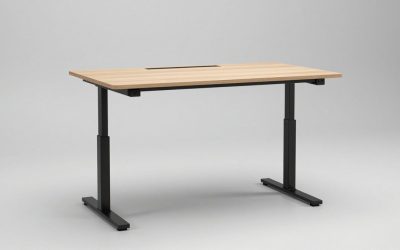
Under $50: a basic riser or stand, laptop only, no monitor. Around $150-$200: a single-motor electric sit-stand desk is the sweet spot for a student or light home-office setup — enough capacity for a monitor and laptop, enough adjustability to actually change position during the day. For anyone comparing options at this tier, browsing a electric standing desk listing side by side on weight capacity and frame material tells you more than the price alone. Above $300, you’re paying for durability and dual-monitor capacity — only worth it if you’re using the desk eight hours a day, every day. If you just need something sturdy and don’t care about motors at all, a well-built adjustable height desk with a manual crank still beats most people’s actual usage pattern, and costs half as much as the electric equivalent.