Our Top Picks
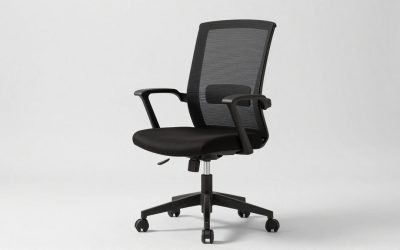
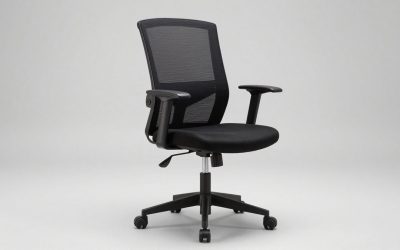
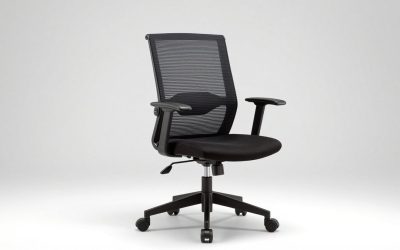
 Marsail Ergonomic Office Chair: Office Desk Chair with46.9" x 24.8" x 24.4"46.9 x 24.8 x 24.4 inches30.42 PoundsCheck on Amazon
Pros & cons
- 3D armrests adjust for multiple working postures
- Supports up to 330 pounds for a wide user range
- Adjustable lumbar moves to match height and body shape
- At over 30 pounds, it is heavier to move around
- Multiple adjustment points add setup complexity


Why ordering online makes sense (and where it doesn’t)
Buying an ergonomic chair online works well once you know your numbers: height, weight, and roughly how many hours a day you’ll sit in it. Where it falls apart is fit at the margins. If you’re under 5’4″ or over 6’3″, or you weigh more than 250 lbs, generic “one-size” chairs sold through marketplace listings often don’t adjust far enough. Seat depth and armrest height are the two specs that get ignored most, and they’re the ones that cause the most returns.
If you’re average height and sit for 6-8 hours a day at a desk, you can order with confidence. If you’re outside that range, read the dimension chart in the listing before the star rating.
The specs that actually matter
Marketing copy on chair listings is mostly noise. These five numbers aren’t:
| Spec | Why it matters | What to look for |
|---|---|---|
| Seat height range | Determines if your feet sit flat with knees at 90° | At least 17″-21″ adjustable range |
| Seat depth | Too deep cuts circulation behind the knee; too shallow leaves thighs unsupported | Adjustable depth, or 16″-19″ fixed range depending on your leg length |
| Lumbar support | Fixed lumbar rarely matches your spine curve | Height-adjustable, ideally depth-adjustable too |
| Armrest adjustment | Wrong height causes shoulder shrugging and neck strain | 4D (height, width, depth, pivot) if you type a lot |
| Weight rating | Gas lift cylinders fail under sustained overload | Rating should exceed your weight by at least 50 lbs |
Mesh back versus foam back is mostly personal preference, not an ergonomic failure point. Mesh breathes better and sags less over time; foam feels more supportive out of the box but compresses within 2-3 years of daily use.
Budget chairs vs. premium chairs: what you’re actually paying for
There’s a real functional gap between a $150 chair and an $800 chair, but it’s not where most people assume. It’s not “comfort,” it’s adjustability and failure rate.
| Budget ($100-250) | Mid-range ($300-600) | Premium ($700+) | |
|---|---|---|---|
| Lumbar support | Fixed or basic adjustable | Height-adjustable | Height + depth adjustable, often dynamic |
| Armrests | Height only, or fixed | 3D adjustable | 4D adjustable |
| Tilt mechanism | Basic recline, 1-2 tension settings | Synchro-tilt with tension control | Synchro-tilt with seat slide and multiple lock points |
| Typical gas cylinder life | 1-3 years under daily use | 3-5 years | 5-10+ years |
| Warranty | 1 year, often limited | 3-5 years | 10-12 years |
If you sit 4-5 hours a day and don’t have an existing back issue, a mid-range chair is the sensible stopping point. You’re paying for mechanisms that won’t loosen or squeak within 18 months, not for marginal comfort gains. Going premium mostly pays off if you’re sitting 8+ hours daily for years, or you have a diagnosed condition like lower-back disc issues where depth-adjustable lumbar support isn’t optional. For general use, you can browse a solid range of ergonomic office chairs in that mid-range band and get most of the benefit without premium pricing.
Common failure modes after purchase
Three complaints show up repeatedly in reviews and they’re predictable before you buy, not after:
Gas lift sinking. The seat slowly drops over weeks or months under normal use. This is a cylinder quality issue, almost always on sub-$150 chairs, and it’s rarely fixable without replacing the cylinder yourself. Check the weight rating against your actual weight with 20-30 lbs of margin.
Armrests that creak or wobble. Usually a sign of thin plastic adjustment mechanisms. If a listing doesn’t specify the armrest material (versus just “adjustable”), assume it’s plastic-on-plastic and expect wear within a year.
Lumbar support that feels fine in the showroom photo but wrong after two hours. This is the single biggest mismatch between expectation and reality with online ordering. A fixed lumbar bump assumes a specific spine curve and torso height. If you’re petite or tall, it can hit in the wrong spot entirely. This is the strongest argument for spending the extra $50-100 to get adjustable lumbar rather than fixed.
If you already have back pain
A chair is not a treatment. It can reduce aggravation from poor posture, but it won’t fix an existing disc or muscular issue, and no listing claiming “doctor recommended” should be taken as medical guidance. What does help concretely: adjustable lumbar depth (not just height), a seat pan that lets your thighs rest without pressure behind the knees, and a recline lock so you can shift position through the day instead of sitting static for 8 hours. If your current chair is the main irritant, pairing it with a separate lumbar support cushion is a cheap way to test whether better lumbar contact actually helps before spending $500+ on a new chair.
What to check before you click buy
Pull up the product listing and confirm these four things: your weight is at least 20 lbs under the stated capacity, the seat height range covers your floor-to-knee measurement, the return window is 30 days or more (chairs that feel fine for 20 minutes can feel wrong after a full workday), and the lumbar support is adjustable rather than molded in. If a listing is vague on any of these, especially weight capacity, that’s usually because the number isn’t flattering. For a wider comparison across price points, scanning mesh office chairs with adjustable lumbar support side by side will surface the spec differences faster than reading five separate product pages.
None of this requires sitting in a showroom first. It requires reading the dimension chart, checking your own numbers against it, and buying from a retailer with a real return window in case the fit is off.