Our Top Picks
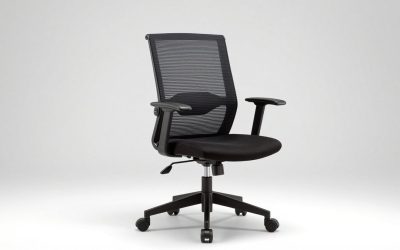
 Herman Miller Embody Ergonomic Office Chair28D x 27W x 38.25H in28 x 27 x 38.25 inches51 poundsCheck on Amazon
 Herman Miller Classic Aeron Task Chair: Highly AdjSize B (Medium)17 x 27 x 42 inches48 poundsCheck on Amazon
The most comfortable office chair for long work days is not the softest one, but the one that matches your seat depth, lumbar position, and cushion density to your height, weight, and working posture for 6-8+ hours of support without pressure points.
For homebestfurniture.com readers shopping in 2026, comfort for long work days comes down to three measurable factors you can test in minutes: how firm and resilient the cushion is, how the lumbar support contacts your lower back when you recline, and whether the seat pan fits your thigh length without cutting off circulation. Get those three right for your body type and the chair will feel comfortable at hour one and hour eight.

Herman Miller Classic Aeron Chair - Size B, Posture Fit
Chosen because it specifies Size B and Posture Fit.
View on AmazonHerman Miller Embody Ergonomic Office Chair | Fully Adjustable Arms and Carpet Casters | Black Rhythm
Chosen because it specifies Fully Adjustable Arms and Carpet Casters and Black Rhythm.
View on Amazon
Herman Miller Aeron Ergonomic Chair - Size B, Graphite
Chosen because it specifies Size B and Graphite.
View on AmazonHerman Miller Classic Aeron Task Chair: Highly Adj w/Lumbar Pad - Tilit Limiter w/Seat Angle Adj - Fully Adj Vinyl Arms - Carpet Casters
Chosen because it specifies Tilit Limiter w/Seat Angle Adj and Fully Adj Vinyl Arms.
View on AmazonWhat Actually Creates Comfort for 8+ Hours
A chair that feels plush for 30 seconds in a showroom can cause hip and lower back fatigue by mid-afternoon. Long-duration comfort depends on weight distribution and micro-movement, not initial softness. Look for:
- Even pressure distribution: Your weight should be spread across the seat and backrest, not concentrated on your sit bones or the front edge of the seat.
- Recline with support: A chair that allows 95 to 110 degrees of recline with back support reduces spinal disc pressure compared to a locked 90-degree upright position.
- Adjustability range: Height, seat depth, armrest position, and lumbar height/depth need to cover your body measurements, not just an average user.
Cushion Density: Why Soft Feels Good But Firm Lasts
Seat foam is rated by density and indentation load deflection (ILD). Density determines durability and how quickly foam sags, while ILD determines how firm it feels when you sit.
| Cushion Type | Typical Density | Firmness (ILD) | Best For Long Days | Trade-off |
|---|---|---|---|---|
| Low-density foam (budget task chairs) | 1.2 – 1.5 lbs/cu ft | 25-30 | Short sessions under 3 hours | Feels soft at first, compresses within 12-18 months, creates hammocking |
| High-density cold-cure foam (e.g., Steelcase Leap, Haworth Fern) | 1.8 – 2.5 lbs/cu ft | 35-50 | 6-10 hour work days | Firmer initial feel, retains shape 5-10+ years, better weight distribution |
| Molded foam + suspension hybrid | Varies | 40-55 | Users over 200 lbs or who run hot | Less heat retention than solid foam, very durable |
| Mesh suspension (e.g., Herman Miller Aeron, Cosmo) | No foam | Suspension tension | Hot environments, users who want minimal pressure | Excellent breathability, no foam to replace, less plush feel |
For long work days, aim for high-density foam (1.8 lbs/cu ft or higher) or a quality mesh suspension. If the seat feels like a soft pillow when you first sit, it will likely bottom out under your sit bones after a few hours. A slightly firmer seat that lets you sink about 0.75 to 1.25 inches is usually better for circulation.
Lumbar Support Types Compared
Not all lumbar systems support the same way. The right type depends on where you feel the need for support and how much you move during the day.
- Fixed lumbar pad: A built-in curve in the backrest. Simple and durable but only fits if the curve hits your natural lumbar curve (about 6-9 inches above the seat). Poor fit for very short or very tall users.
- Height-adjustable lumbar: A pad or bar you can slide up and down 3-5 inches. Essential if you are under 5’4″ or over 6’0″ because standard fixed lumbar often sits too high or low.
- Depth-adjustable / tension lumbar: Lets you dial how far the support pushes into your lower back. Important if you have a pronounced lumbar curve or prior lower back stiffness. Look for 0.5 to 1.5 inches of depth range.
- Dynamic / self-adjusting backrest: Found on chairs like the Haworth Fern or Steelcase Gesture, where the backrest flexes with your spine as you recline or twist. Best for people who shift positions frequently.
Test tip: Sit all the way back so your back touches the backrest. There should be gentle, even contact at your belt line with no gap and no hard pressure point. If you have to perch forward to feel the lumbar, it is too high or too aggressive for you.
Seat Depth and Height: The Fit Most People Get Wrong
Seat depth determines whether your back can stay supported while your legs stay comfortable. Seat height determines whether your feet can rest flat without pressure behind the knees.
| User Height | Ideal Seat Depth (front to back) | Ideal Seat Height Range | Clearance Needed at Desk |
|---|---|---|---|
| Under 5’4″ (162 cm) | 15.5 – 17 inches | 15 – 17.5 inches | Desk height 27-28 inches, at least 2 inches between thigh top and desk underside |
| 5’4″ – 5’11” (162-180 cm) | 17 – 19 inches | 16.5 – 20 inches | Standard desk 29-30 inches, 24-26 inches knee clearance depth |
| Over 6’0″ (183 cm) | 19 – 21 inches | 18 – 22 inches | Desk 29-31 inches, consider adjustable-height desk to keep elbows at 90 degrees |
The rule to follow: When seated fully back, you should have 2-3 fingers (about 2 to 3 inches) between the front edge of the seat and the back of your knees. Less than 1 inch means the seat is too deep and will restrict circulation. More than 4 inches means it is too shallow and your thighs lack support.
For weight limits, most mid-range ergonomic chairs are rated for 250-300 lbs, while heavy-duty models with reinforced bases and larger cylinders are rated for 350-400 lbs. Check the base material: aluminum or steel bases last longer under daily load than nylon bases at higher weights.
The 5-Minute In-Store Comfort Test Checklist
Bring the shoes you work in and use this sequence. Do not just sit for a few seconds and decide.
Minutes 0-1: Set the Base Fit
- Adjust seat height so feet are flat and thighs are parallel to the floor with no pressure on the underside of the thighs.
- Push your hips fully back against the backrest. Check the 2-3 finger gap behind your knees. If the chair has seat depth adjustment, slide the pan in or out until you get it.
Minutes 1-3: Check Lumbar and Back Contact
- Set lumbar height so the firmest point aligns with your belt line, then adjust depth until you feel gentle support without being pushed forward.
- Recline to about 100-105 degrees. Your lower back should stay in contact with the lumbar the entire way back, not lose contact or feel a hard point.
- Place armrests so elbows are at 90-100 degrees and shoulders are relaxed. Armrests should be about 26-28 inches apart for average builds, wider for broader shoulders.
Minutes 3-5: Pressure and Movement Test
- Shift side to side and lean slightly forward as if typing. You should not feel the seat frame edges through the cushion or a sharp ridge at the seat front.
- Stay seated for a full two minutes without fidgeting. Notice any numbness, hot spots on your tailbone, or the urge to perch forward — those are signs the depth or density is wrong for you.
- Stand and sit again. The cushion should rebound fully within 5-10 seconds with no visible body impression remaining.
If the store allows, test with your monitor height in mind. Your eyes should be level with the top third of the screen when sitting upright with back support. If the chair is too low or high for your desk, you will compensate with neck strain.
Decision Matrix: Which Most Comfortable Office Chair Fits Your Situation
| Your Situation | Priority Features | Chair Type to Consider |
|---|---|---|
| Small apartment / 10×12 ft home office | Compact footprint under 26″ wide, folding or mesh back for airflow | Mesh task chair with armless or flip-up arms; usually $300–$600 range |
| Tall or large build (over 6’1″ or over 220 lbs) | Seat depth 19″+, seat height to 22″, 350 lb rating, high-density foam | Large-frame ergonomic chairs like Steelcase Leap Plus or Haworth Fern high-back; usually $800–$1,400 |
| Petite build (under 5’4″) | Seat depth 15.5-17″, shallow seat height from 15″, adjustable lumbar height | Size B small-frame mesh or foam chairs (e.g., Herman Miller Aeron Size A/B); usually $700–$1,200 |
| Back pain from long sitting | Depth-adjustable lumbar, synchro-tilt recline, seat depth slider | Full-ergonomic foam chairs with dynamic back; usually $600–$1,300 |
| Renter who moves often / needs easy assembly | Lightweight under 40 lbs, no complex tools, narrow box through 28-30″ doorways | Mesh chair that ships in one box (typically 45-60 lbs boxed, 26″x24″x20″ carton); usually $350–$750 |
| Hot sleeper / warm room, long hours | Breathable mesh seat and back, minimal foam | Full mesh suspension chair; usually $600–$1,100 |
Assembly, Moving, and Durability Realities
Beyond showroom comfort, consider what living with the chair means. Most ergonomic chairs ship in a box weighing 45 to 65 lbs and measuring roughly 28 x 26 x 20 inches. Check that your building elevator and doorway (standard interior doorway is 28-30 inches wide, office doorway 32-36 inches) can accommodate the carton. Assembly typically takes 10-25 minutes and requires no more than an included Allen wrench, but chairs with separate armrests and lumbar modules can take longer.
What wears first: the cylinder (seat height sink), arm pads, and casters. Look for a Class 4 gas cylinder, replaceable arm pads, and 60mm casters for carpet versus hard-floor casters. Foam arm pads crack within 2-3 years on budget chairs; polyurethane or soft-touch pads last 5+ years. For room fit, allow at least 30 inches of clearance behind the chair for full recline and 24 inches on each side for armrest movement. In a 10×12 ft room with a 60-inch desk, a chair with a 26-28 inch base diameter still leaves comfortable walking space if you keep 36 inches of clearance between the desk edge and the opposite wall.
For durability expectations: budget foam chairs under $300 usually show compression and fabric pilling within 2 years of daily 8-hour use. Mid-range to premium chairs with high-density foam or mesh, aluminum bases, and multi-year warranties on components typically maintain comfort for 7-12 years, with only caster or cylinder replacement.
What to Prioritize Before You Buy
If you can only test three things before choosing the most comfortable office chair for long work days, make them seat depth fit, lumbar depth and height match, and cushion rebound. A chair that fits your thigh length, supports your lumbar curve without pushing you forward, and uses high-density foam or quality mesh will prevent the fatigue that makes cheap chairs uncomfortable by 3 p.m. Set your budget around general market ranges — solid long-day ergonomic chairs are usually $500–$1,200 — and invest the extra time in the 5-minute test rather than chasing the softest initial feel.