Our Top Picks
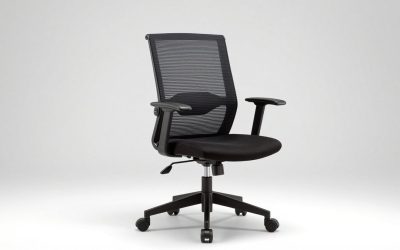
The best criss cross office chair for sitting cross-legged comfortably is a wide, armless chair with at least 22 inches of usable seat width, 19 to 21 inches of seat depth, and medium-soft foam around 1.8 to 2.2 lb/ft³ density, because that combination removes pressure on your knees, ankles, and outer hips.
If the seat is too narrow, has fixed arms, or uses firm high-density foam, you will feel pinching on the sides of your knees and numbness within 20 to 30 minutes. For criss-cross sitting, width and edge softness matter more than lumbar features or headrests.

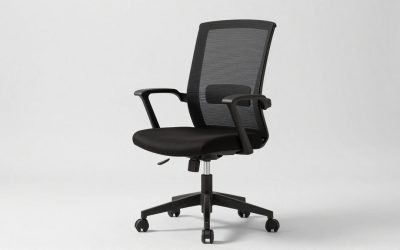
Pipersong Criss Cross Chair, Extra Wide Cross Legged Chair with Arms, Beige
Chosen because it specifies Extra Wide Cross Legged Chair with Arms and Beige.
View on Amazon
Pipersong Meditation Cross Legged Chair PRO, ADHD Chair with Height Adjustable Backrest, Criss Cross Desk Use with Footrest and Wheels for Home Office, Flexible Design for Fidgety Sitters, Ivory
Chosen because it specifies ADHD Chair with Height Adjustable Backrest and Flexible Design for Fidgety Sitters.
View on Amazon
Big and Tall Office Chair, Flip Armrests for Pets & Cross Legged Sitting
Chosen because it specifies Flip Armrests for Pets & Cross Legged Sitting.
View on Amazon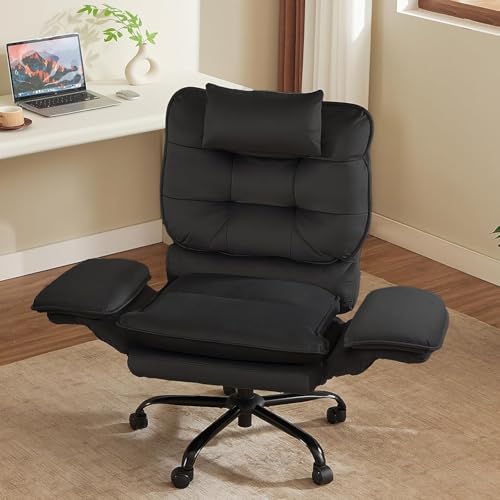
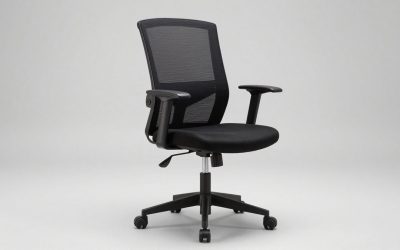
Bestier Criss Cross Chair with Flip-Up Armrests and Headrest, Black Velvet
Chosen because it specifies Black Velvet.
View on AmazonWhat Actually Makes a Chair Work for Criss-Cross Sitting
A standard office chair is designed for feet-flat, knees-at-90-degrees posture. A criss cross office chair reverses that priority. It needs to function like a low, cushioned platform that still provides height adjustment, swivel, and back support for desk work.
Look for these three non-negotiable features:
- Truly armless or fold-away arms: Fixed arms reduce usable width by 2 to 4 inches and block your knees when you rotate your legs. Armless designs, flip-up arms, or wide-set arms that sit outside the seat pan are the only options that work.
- Flat, wide seat pan with waterfall or rounded edges: Bucket-shaped seats or raised side bolsters push into your ankles and calves. A flat pan with a gently rounded front edge distributes weight across your thighs instead of your shin bones.
- Medium-soft foam with some sink: Very firm foam feels supportive for upright sitting but creates pressure points under your ankles and the sides of your feet. You want 2.5 to 3.5 inches of foam that lets you sink about 0.75 to 1 inch when seated cross-legged.
The 3 Measurements That Determine Comfort
Product listings often show overall chair width, which is misleading. The number that matters for cross-legged sitting is the flat, usable sitting area between any stitching, bolsters, or arm mounts.
| Measurement | Standard Office Chair | Ideal for Criss-Cross Sitting | Why It Matters |
|---|---|---|---|
| Usable Seat Width | 18 – 19.5 inches | 22 – 26 inches | Allows knees to sit inside the seat without hanging off the edge |
| Usable Seat Depth | 17 – 18.5 inches | 19 – 21 inches | Supports both thighs fully so your ankles don’t bear your weight |
| Seat Height Range | 17.5 – 21 inches | 16 – 20 inches | Lower minimum height lets shorter users keep the seat low enough to tuck feet easily |
| Weight Capacity | 250 lbs | 275 – 350 lbs | Cross-legged weight is concentrated in the center; higher capacity means less sag |
| Backrest Width at Base | 17 – 18 inches | 16 inches or narrower | A narrower backrest base leaves more room for your upper legs to spread |
How to check at home: Sit cross-legged on your current chair and measure the distance from outer knee to outer knee. Most adults need 21 to 24 inches. Add 1 inch of clearance on each side to avoid pressing against seams or hard edges. If your knee-over-knee width is 23 inches, you need at least a 25-inch usable width for long sessions.
For desk fit, measure your desk clearance. Standard desks are 29 to 30 inches high with 25 to 26 inches of knee clearance underneath. An armless criss cross chair with a seat height of 18 inches will slide completely under most desks, saving 8 to 10 inches of floor depth compared to an armchair that sticks out. In a 10×12 ft bedroom office, that difference determines whether you can push the chair in and still open a closet door or walk around the bed.
Material and Construction Trade-Offs
Foam softness and fabric choice affect pressure and heat more than they do for normal sitting, because more of your skin is in contact with the seat for longer.
| Material / Construction | Pros for Cross-Legged Sitting | Cons | Best For |
|---|---|---|---|
| High-Density Molded Foam (2.0+ lb/ft³) | Holds shape for 5+ years, supportive for upright work | Creates pressure on ankles, feels hard under shins | Users who split time 50/50 between cross-legged and feet-flat |
| Medium-Soft Foam (1.8 – 2.2 lb/ft³) with Fiber Topper | Cushions ankles and knees, reduces numbness | Compresses faster, may develop body impression after 2-3 years | Primary criss-cross sitters, meditation-style use |
| Memory Foam Layer on Top | Excellent pressure relief initially | Traps heat, slow to rebound when you shift positions | Cool rooms, users who stay in one position for long periods |
| Woven Fabric (polyester blend) | Breathable, less sticky on bare legs, easy to clean | Can pill with friction from constant leg shifting | Everyday use with shorts or bare legs |
| Velvet / Faux Fur / Boucle | Very soft on skin, warm feel | Holds heat and pet hair, harder to spot-clean | Comfort-first home offices without pets |
| Faux Leather / PU Leather | Wipes clean, smooth surface for repositioning | Least breathable, legs stick and sweat in summer | Users who prioritize easy cleaning over breathability |
Frame matters too. A plywood seat base with elastic webbing offers more flex and forgiveness than a solid plastic pan, which feels like sitting on a board once the foam compresses. Metal bases with a 5-star caster layout are more stable than 4-leg bases when you shift your weight to one side to get into position.
Decision Matrix: Which Criss-Cross Chair Type Fits Your Situation
There is no single best model for everyone. The right pick depends on your space, body, and how you work.
| Your Situation | Recommended Type | Why |
|---|---|---|
| Small apartment or 10×10 ft room, need to tuck chair under desk | Armless wide-seat task chair, 22-24 inch width, low back | Compact footprint (26×26 inches), slides fully under 29-inch desk, lighter to move |
| Tall or plus-size user (over 5’10” or over 250 lbs) | Extra-wide 26-inch seat, 350 lb capacity, reinforced metal base | Prevents knees overhanging edge, higher density foam prevents bottoming out |
| Back pain, need to switch positions often | Meditation-style chair with adjustable backrest angle and footrest ring (e.g., Pipersong-style) | Allows cross-legged, side-saddle, and feet-up positions without losing lumbar support |
| Renter, need to protect floors and avoid heavy furniture | Lightweight armless chair under 35 lbs with soft casters | Easy to lift over thresholds, soft polyurethane casters won’t scratch vinyl or hardwood |
| Kids, pets, or frequent spills | Woven polyester fabric, removable seat cover, dark color | Breathable but stain-resistant, cover can be washed, hides hair |
| 8+ hour workdays, mostly cross-legged | 26-inch wide seat with 3+ inch medium-soft foam and waterfall edge | Maximizes pressure distribution for all-day ankle and hip comfort |
Best Criss Cross Office Chair Options by Need in 2026
Prices for true criss-cross capable chairs usually range from $180 to $450 for armless wide-seat models and $350 to $650 for specialized meditation-style chairs with wider bases and adjustable features.
Best Overall for Most People: Wide Armless Task Chair
This category includes armless models from office brands like Branch, FlexiSpot, and Hbada, as well as dedicated wide-seat designs. Look for a 23 to 24 inch flat seat, armless construction, and height adjustment from about 17.5 to 21.5 inches. These chairs fit standard desks, work in small rooms, and cost the least. They are ideal if you sit cross-legged for 2 to 4 hours at a time and sit normally the rest of the day.
Best for All-Day Cross-Legged Sitting: Meditation-Style Criss Cross Chair
The most recognized type in this niche is the Pipersong Meditation Chair and similar cross-legged chairs from smaller ergonomic makers. These have an oversized 25 to 26 inch square seat, very low armrests or no arms, and often include a 360-degree swivel footrest or ottoman attachment that gives your feet a place to rest without dangling. The foam is intentionally softer and thicker (3 to 4 inches) than a standard task chair. They need more floor space, about 28×28 inches plus room to swivel, but they are the only design that lets most adults sit fully cross-legged with the back supported for 6+ hours.
Best for Small Spaces and Renters: Compact Armless Chair with Flip-Up Arms
If you cannot go fully armless because you want arm support sometimes, choose a chair with flip-up arms that lock vertically and sit outside the seat pan. When flipped up, you regain the full 22+ inches of width. These chairs typically weigh 28 to 35 lbs versus 45 to 55 lbs for meditation chairs, making them easier to carry through 28 to 30 inch doorways and up stairs. They are also easier to store in a closet when not in use.
Assembly, Moving and Durability Realities
Criss-cross chairs are bulkier to ship than standard task chairs because of the wide seat box. Expect a shipping box that is 27 to 29 inches square and weighs 35 to 50 lbs. Most models require 15 to 25 minutes of assembly: attaching the base, casters, gas lift, and seat. No tools beyond the included Allen wrench are usually needed, but a second person helps to align the wider seat.
Doorway and elevator check: Measure your narrowest doorway at 28 to 32 inches. A 26-inch seat will fit through, but the box may not. Unbox in the hallway if you live in an older apartment with narrow halls.
What wears first is not the frame but the foam edge and fabric where your ankles rub. After 18 to 24 months of daily cross-legged use, the front 3 inches of foam compresses about 20% faster than the center. Choosing a chair with a replaceable seat cushion or a 2.0 lb/ft³ foam core extends life to 4 to 5 years. Casters also collect hair faster because you swivel and reposition more; choose soft double-wheel casters and clean them monthly to protect hard floors.
For hardwood or vinyl floors, add a low-pile chair mat or use soft polyurethane casters. A criss-cross chair concentrates more weight in the center of the base when you sit with legs folded, which increases point pressure on the floor compared to feet-flat sitting.
How to Sit Cross-Legged Without Numbness
Even with the right chair, technique matters. Keep your hips slightly above your knees by setting the seat height about 1 to 2 inches higher than you would for feet-flat sitting. This opens the hip angle past 90 degrees and reduces pull on the lower back. Alternate which leg is on top every 30 to 45 minutes and place a small folded blanket under your ankles if you feel pressure on the top of your foot. If your feet fall asleep quickly, the seat is either too firm, too deep for your height, or the front edge is too sharp.
Frequently Asked Questions
Can I sit criss-cross in a chair with arms?
Only if the arms flip up completely or are mounted wide enough that your knees do not touch them when spread. Fixed, padded arms that are 19 to 20 inches apart will press into your outer knees and make the position unsustainable.
What seat width do I need if I am 5’2″ vs 5’10”?
Height correlates with knee width when cross-legged. At 5’2″, most users need 22 to 23 inches of usable width. At 5’10” and above, plan for 24 to 26 inches. If you are between sizes, choose wider, as extra width does not hurt but too little width creates immediate pressure.
Is a criss cross office chair good for your back?
It can reduce lower back strain if it allows you to keep your spine neutral with hips open, but it is not automatically ergonomic. You still need lumbar support and the ability to change positions. No chair is healthy if you stay in one folded position for more than an hour without moving.