Our Top Picks
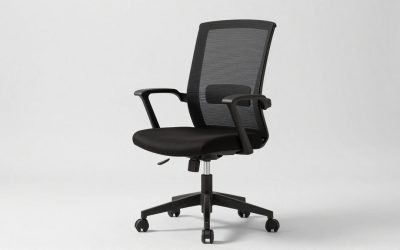
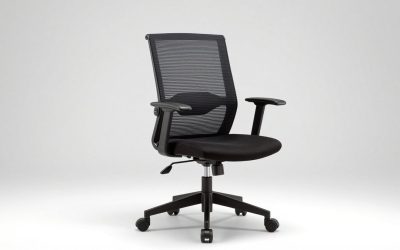
 La-Z-Boy Big and Tall Executive Office Chair LumbarBig & Tall32.2 x 27.5 x 45 inches60.4 poundsCheck on Amazon
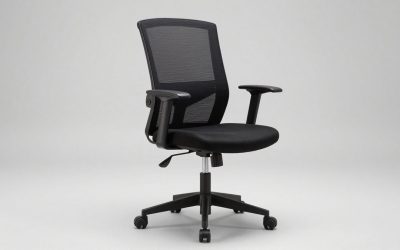
 La-Z-Boy Executive Ergonomic Office Chair with Lumar SupportExecutive31.25 x 27 x 44.5 Inches57.2 PoundsCheck on Amazon
A genuine leather high back office chair is worth the extra cost only if the seating surfaces are top-grain or full-grain leather; many chairs sold as “genuine leather” use leather only on the seat and back face, with bonded leather or vinyl on the sides and back, and that is where cracking and peeling start. Knowing the grade, where it is used and how the chair is built underneath matters more than the label.
Leather grades: what “genuine” really covers
In furniture marketing, “genuine leather” is a broad term. It can mean premium hide, or it can mean the lowest real-leather grade. Here is how the common upholstery materials compare on an office chair that gets eight hours of daily use.
La-Z-Boy Big and Tall Executive Office Chair Lumbar Support, Leather Chair
Chosen because it specifies Leather Chair.
View on AmazonLa-Z-Boy Executive Ergonomic Office Chair with Lumar Support, Leather Chair
Chosen because it specifies Leather Chair.
View on Amazon
La-Z-Boy High-Back Ergonomic Office Chair, AIR Lumbar Support Leather Chair
Chosen because it specifies AIR Lumbar Support Leather Chair.
View on Amazon| Material | What it is | Typical lifespan on a daily chair | Breathability | Common weak point |
|---|---|---|---|---|
| Full-grain leather | Whole outer hide, surface left intact | 15+ years with care | Good | Shows scratches (develops patina) |
| Top-grain leather | Outer layer lightly sanded and finished | 10-15 years | Good to fair | Finish can wear at seat front edge |
| Split / “genuine” leather | Lower layer of the hide, embossed and coated | 5-8 years | Fair | Coating cracks at creases |
| Bonded leather | Leather fibers glued to a fabric backing | 2-4 years | Poor | Flakes and peels in sheets |
| PU / faux leather | Polyurethane over fabric | 3-6 years | Poor | Peels at seams and armrests |
Look for wording such as “top-grain leather seat and back” or “full-grain leather”. If a listing says “leather and PU” or “leather match”, expect leather only on contact surfaces with synthetic material elsewhere. That is not automatically bad, since it keeps costs down, but price should reflect it.
What makes a high back chair actually high back
“High back” usually means the backrest reaches at least shoulder height. For real neck and upper-back support, check these numbers against your own height.
| Your height | Backrest height above seat | Seat height range | Seat depth |
|---|---|---|---|
| 5 ft 2 in to 5 ft 6 in | 24-28 in | 16-20 in | 17-18 in |
| 5 ft 7 in to 6 ft 0 in | 28-32 in | 18-21 in | 19-20 in |
| 6 ft 1 in and up | 31-35 in, or an adjustable headrest | 19-23 in | 20-21 in |
Executive leather chairs often have deep, plush seats around 20-21 in. Shorter users may find the front edge presses behind the knees; in that case, a chair with a seat slider or a shallower seat is a better choice than a bigger, softer one.
Construction under the leather
Foam
Leather chairs feel luxurious in the first week because of thick padding. What keeps them comfortable is foam density. Molded high-density foam holds shape for years; cut foam layered with fiberfill flattens in one to two years, and leather then wrinkles over the voids. Pocketed coil seats, used on some executive models, add durability and a firmer sit.
Mechanism
Classic leather executive chairs often use a basic center-tilt with tension knob and lock. Better ones use a knee-tilt or synchro-tilt mechanism, which keeps your feet on the floor while reclining. If you work long hours, a synchro-tilt and adjustable lumbar matter more than the leather grade.
Base and casters
A five-star aluminum or steel base with a class 3 or 4 gas cylinder is typical. For hard floors, choose soft polyurethane casters; for carpet, hard nylon casters or a chair mat.
Picks by situation
| Situation | What to buy | Price range |
|---|---|---|
| Long workdays, back support first | Top-grain leather with adjustable lumbar and synchro-tilt | usually $600-$1,500 |
| Executive office look, moderate use | Leather seat and back with matching PU sides, center-tilt | usually $250-$600 |
| Premium, lasts a decade or more | Full-grain leather on a design-brand frame, such as a Herman Miller Eames Executive or similar | usually $2,000+ |
| Warm room or you run hot | Leather seat with mesh back hybrid, or perforated leather | usually $300-$900 |
| Pets with claws | Full-grain or heavily finished top-grain; avoid bonded | varies |
Comfort trade-offs to accept
- Heat: leather is warmer than mesh. Expect to feel it in summer, especially without air conditioning.
- Slip: smooth leather lets you slide forward when reclined. Textured or semi-aniline leather grips better.
- Break-in: new top-grain leather may feel stiff for a few weeks and then soften.
Care routine that keeps leather from cracking
- Dust or wipe weekly with a dry microfiber cloth; grit acts like sandpaper at creases.
- Clean every one to three months with a pH-neutral leather cleaner, not household all-purpose spray.
- Condition two to four times a year, more often in dry winter air, focusing on the seat front and armrests.
- Keep the chair out of direct sun and at least 3 ft from heating vents to prevent drying and fading.
Do slip covers make sense on a leather chair?
High back office chair slip covers are stretch-fabric covers, usually spandex blends, sized to pull over the backrest and seat. They are useful in three situations: hiding peeling bonded leather on an older chair, protecting a new chair from pets or kids, and adding grip and breathability in warm weather. Measure your backrest width and height before buying, since covers are typically made in standard and large sizes for backs around 18-22 in wide and 25-32 in tall. Expect a cover to reduce the leather look and occasionally shift when reclining. On a good top-grain chair, a fitted seat cover alone is often a better compromise than a full slip cover.
Bottom line
Buy a genuine leather high back office chair for its looks and longevity only when the contact surfaces are top-grain or full-grain, the foam is high-density, and the backrest height suits your frame. Pay for the mechanism and lumbar support first and the leather grade second; a beautiful chair that does not adjust to you will not stay comfortable, however good the hide.