Our Top Picks
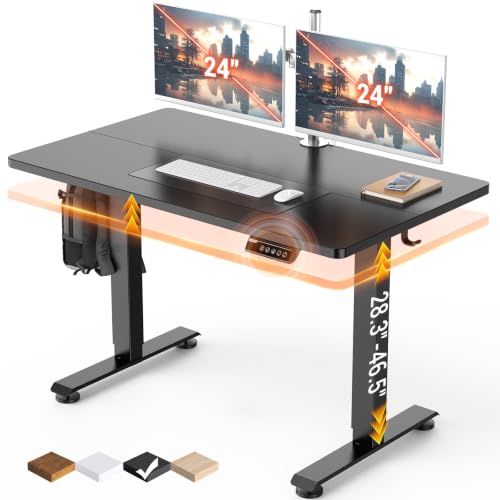 Veken 47.2 Inch Large Electric Standing Desk47.2×23.6 Inch23.64 x 47.24 x 28.3 inches42.1 PoundsCheck on Amazon
 Huuger 63 Inch L Shaped Desk with Power63inch with outlets63 x 20 x 30 inches49 poundsCheck on Amazon
The best computer desks for home come down to three decisions: choose 40-48 inches for small spaces and focused laptop work, 55-60 inches for dual monitors and executive setups, and prioritize engineered wood or metal frames with built-in cable management if you work from home full-time.
How to Choose the Right Size Computer Desk for Your Room
Desk width matters more than any feature list because it determines both your workflow and whether the room still functions. Standard computer desks for home range from compact 40-inch models to 60-inch executive widths, with depth typically 20 to 30 inches and height 29 to 30 inches. Before you buy, measure these clearances:

Huuger Computer Desk, 55 Inch Home Office Desk, Gaming Writing Work from Home Study Desk, Large Legroom, Sturdy Metal Frame, Modern Simple, Rustic Brown
Chosen because it specifies 55 Inch Home Office Desk and Gaming Writing Work from Home Study Desk.
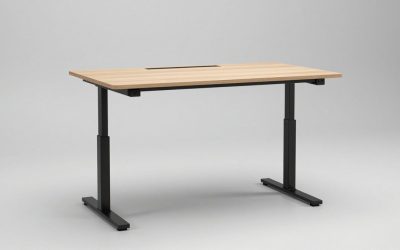
View on AmazonVeken 47.2 Inch Large Electric Standing Desk, Gaming Table, Black
Chosen because it specifies Gaming Table and Black.
View on AmazonHuuger 63 Inch L Shaped Desk with Power Outlets & 0.95 Inch Thicker Desktop
Picked as a relevant option in this category.
View on Amazon
Lufeiya Computer Desk with File Drawers Cabinet, 47 Inch Reversible Home Office Desks with Filing Cabinet for Small Space, Gaming Study Writing Table PC Desks, Black
Chosen because it specifies Gaming Study Writing Table PC Desks and Black.
View on Amazon- Chair push-back zone: Leave 30 to 36 inches behind the desk for your chair to slide out comfortably. Less than 30 inches feels cramped and will scuff the wall.
- Walkway behind a seated person: If the desk faces a wall and someone needs to walk behind you, you need 44 to 48 inches of total depth from wall to opposite furniture.
- Side clearance: Allow at least 20 inches on one side to get in and out if the desk is between a wall and a bed or dresser.
- Seat-to-desk relationship: Most office chairs have a seat height of 17 to 19 inches at lowest and 21 to 22 inches at highest. The underside of the desk should be 25.5 to 27 inches high to leave 6 to 8 inches of thigh clearance. Keyboard trays sit 26 to 27 inches from the floor for neutral wrist posture.
The table below maps common computer desk widths to realistic room layouts and use cases for 2026 homes:
| Desk Width | Typical Depth | Best For | Minimum Room Footprint | Fits a 10×12 ft Room? |
|---|---|---|---|---|
| 40-42 inch compact | 20-22 inches | Laptop + single 24-inch monitor, students, renters | 40″ W x 58″ D with chair | Yes, leaves 70+ inches for bed/dresser |
| 47-48 inch standard | 24 inches | Single monitor + writing space, work-from-home starter | 48″ W x 60″ D with chair | Yes, ideal along the 10 ft wall |
| 55-60 inch wide | 24-30 inches | Dual 27-inch monitors, executive or creator setup | 60″ W x 66″ D with chair | Yes, but occupies 50% of one wall – avoid with queen bed on same wall |
| 60 inch L-shaped / corner | 50-60 inches per side | Corner office, gaming + work combo | 60″ x 60″ corner + 36″ chair zone | Tight, requires empty corner and blocks one window in most layouts |
Weight capacity is also a sizing issue. Most home desks are rated for 75 to 120 lbs for the top surface. A dual-monitor arm plus two 27-inch monitors adds 25 to 35 lbs in a single clamped point, so if you plan to clamp monitors, choose a desk with a 100+ lb rating and a top at least 0.75 inches thick or a metal frame with crossbars.
Material and Construction: What Holds Up at Home
Material affects weight, stability, how it handles moves, and how it looks after two years of daily use. No material is best for everyone, but the trade-offs are consistent.
| Material | Typical Price Range | Weight (for 55″ desk) | Durability Risks | Best If You Need |
|---|---|---|---|---|
| Solid wood (rubberwood, acacia, oak) | Usually $500-$1,200 | 70-110 lbs | Can dent, needs coasters, expands slightly with humidity | Long-term durability, refinishing, executive look |
| Engineered wood (MDF/particleboard with laminate or veneer) | Usually $150-$450 | 45-70 lbs | Swells with water at edges, cam locks loosen after 2-3 moves | Affordable large surface, light weight for renters |
| Metal frame + wood top | Usually $250-$600 | 55-85 lbs | Metal resists wobble, top still depends on wood type | Stability for monitor arms, industrial or modern style |
| Bamboo | Usually $350-$700 | 50-75 lbs | Harder than most engineered wood, resists moisture better than MDF | Eco-friendly option with solid-wood feel and lighter weight |
| Tempered glass top + metal frame | Usually $200-$500 | 50-80 lbs | Shows fingerprints, glass can chip at corners, limited clamp compatibility | Visual lightness in small rooms, easy wipe-clean surface |
For home offices, the most reliable combination for daily 8-hour use is a powder-coated steel frame with a 1-inch thick top, whether that top is solid wood, bamboo, or high-grade MDF with a thick laminate. Desks under 50 lbs often use thinner tops and single crossbars, which is where wobble appears when typing or when a standing desk lifts to 42 to 47 inches.
Cable Management That Actually Works for Work-From-Home
A clean desk is not about aesthetics alone. Cables snagged under a standing desk or pulled taut when you push your chair back are a failure point. Look for these specifics rather than a generic “cable management” label:
- Built-in tray or channel: A metal tray under the rear edge (at least 20 inches wide and 4 inches deep) hides a power strip and chargers. Plastic raceways are fine but hold less.
- Grommets with covers: Two 2-inch to 2.5-inch grommet holes near the back corners let monitor and power cables drop vertically instead of draping over the edge.
- Leg with cable cover: On standing desks like the FlexiSpot E7 or UPLIFT V2, legs with integrated cable channels prevent pinch points when adjusting height from 28 to 47 inches.
- Clearance for a power strip: Measure the tray depth. A standard surge protector is 11 to 12 inches long and needs 2 inches of clearance for plugs.
If the desk you like lacks a tray, add an under-desk cable tray (usually $20-$45) and a 3-foot cable spine for sit-stand models. Plan for at least 4 outlets at the desk: laptop, monitor, phone charger, and one spare for a lamp or speaker. A desk depth of 24 inches or more gives you 4 to 6 inches behind the monitor for the cable bundle without pushing the screen too close to your eyes.
Best Computer Desks for Home by Situation
Use this decision matrix to shortcut the choice based on your space and work style, not just desk dimensions.
| Your Situation | Recommended Type and Size | Why It Fits | Example Spec to Look For |
|---|---|---|---|
| Small apartment, bedroom office, or rental | 40-48 inch writing/computer desk, 20-24″ deep | Fits narrow walls, light enough to move, still holds laptop + monitor | IKEA MICKE (42 1/8″) or similar compact with drawer; under 60 lbs |
| Full-time work-from-home, dual monitors | 55-60 inch rectangular desk, 24-30″ deep | Allows 20+ inches between monitors at eye level, room for document space | Steel frame, 100 lb+ capacity, 2 grommets, optional keyboard tray |
| Back pain or alternating sitting and standing | 48-60 inch electric standing desk | Height range 28″ to 47″ accommodates users 5’2″ to 6’2″ with proper monitor height | FlexiSpot E7, UPLIFT V2, or IKEA BEKANT sit/stand; dual-motor for 60″ tops |
| Corner room or shared home office | 56-60 inch L-shaped desk | Uses dead corner space, separates work and gaming/craft zones | Reversible panel, 50″+ per wing, cable tray on both sides |
| Executive or client-facing home office | 60 inch solid wood or executive desk with pedestal | Deeper top and storage, professional appearance for video calls | Solid wood or thick veneer, 30″ deep, soft-close drawers, usually $700-$1,300 |
| Kids, pets, frequent moves | Metal frame + laminate top, 47-55 inch | Resists scratches and moisture, frame survives disassembly better | Powder-coated steel legs, 0.75″+ laminate top, adjustable leveling feet |
Small Space Picks: 40 to 48 Inches
In a studio or 10×12 ft bedroom, a 40 to 48 inch desk placed perpendicular to the window reduces glare and keeps the bed wall open. Choose a depth of 20 to 22 inches if the desk must double as a console, but 24 inches is better for an external monitor at a proper 20 to 26 inch viewing distance. Models with a single drawer or side shelf keep supplies off the floor without adding a separate filing cabinet that would eat another 18 inches of wall.
Executive and Wide Picks: 55 to 60 Inches
A 60-inch desk earns its footprint when you need two monitors, a desk lamp, and space to sign or sort papers without shifting gear. At 60 inches wide and 30 inches deep, you can center a 27-inch monitor and still have 15 inches on each side. If your room is under 120 sq ft, place a 60-inch desk on the longest uninterrupted wall and avoid pairing it with a bookshelf on the same wall, or the room will feel like a corridor.
Assembly, Moving, and What Wears Out First
Product pages rarely mention the logistics of getting the desk into your home and keeping it stable after a move.
- Box size and doorway: A 60-inch desk typically ships in a box 62 to 65 inches long and 30 to 32 inches wide, weighing 65 to 95 lbs. Measure your doorway (standard interior is 30 inches) and stairwell turn. L-shaped desks often come in two boxes.
- Assembly time: Compact desks take 30 to 60 minutes with two people; electric standing desks take 60 to 120 minutes due to motor and control box wiring. You will need a Phillips screwdriver and usually a 4mm or 5mm Allen key.
- What loosens first: On engineered wood desks, cam locks and pre-inserted dowels are the weak point after one or two disassemblies. Reinforce with a drop of wood glue on dowels if you plan to keep the desk long-term. On metal frames, check leg levelers every 3 to 6 months if on carpet.
- Top wear: Laminate edges near the user peel first from wrist friction and moisture. Solid wood and bamboo develop character but can be spot-sanded; glass stays pristine but reveals dust. Use a desk mat (at least 31 x 15 inches) to extend top life by years.
- Standing desk motors: Single-motor bases lift usually 150 to 180 lbs including the top; dual-motor bases lift 235 to 355 lbs and move more smoothly at full extension. If you plan to add a heavy solid wood top later, start with dual motors.
For renters, a desk under 70 lbs with a frame that bolts rather than cams together will survive moves far better and leaves fewer wall marks. Add felt pads under legs to protect wood or vinyl floors from the 0.5 to 1 inch leveling feet.
Quick Layout Checklist Before You Order
Verify these five numbers with a tape measure, not an estimate: wall length where the desk will go, distance to the nearest door swing, window sill height if the desk goes under it (most sills are 24 to 36 inches, too low for a desk), outlet location, and elevator or stairwell dimensions if you live in an apartment. A 48-inch desk needs a 52-inch wall to allow cable space on the side; a 60-inch desk needs 64 inches. If you are between sizes, size down and add a small side table or monitor arm to reclaim depth rather than overwhelming the room.
Frequently Asked Questions
What is the standard height for computer desks for home?
Most fixed computer desks are 29 to 30 inches high, which pairs with office chairs that adjust from 17 to 22 inches. For ergonomics, your elbows should be at 90 to 110 degrees with wrists neutral. If you are taller than 6 feet or shorter than 5’4″, a height-adjustable desk or an adjustable chair with a footrest will give better alignment than a fixed desk alone.
Is a 40-inch desk big enough for working from home?
A 40-inch desk works for a laptop and a single 24-inch monitor, but depth matters. At 20 inches deep, the screen will be close to your face. For full-time work, a 47 to 48 inch desk at 24 inches deep is the smallest comfortable size for daily video calls and document handling without feeling cramped.
Do I need a standing desk?
You need height adjustability if you experience discomfort from sitting all day or share the desk with someone of a different height. A good electric standing desk adjusts from about 28 to 47 inches, moves at 1 to 1.5 inches per second, and holds at least 150 lbs. If you sit comfortably with good posture and take movement breaks, a fixed 60-inch desk with an ergonomic chair is equally effective for productivity.