Our Top Picks
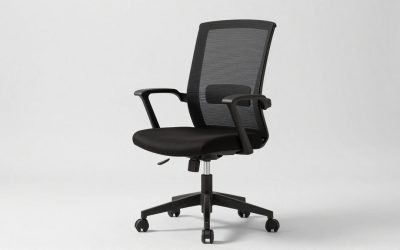
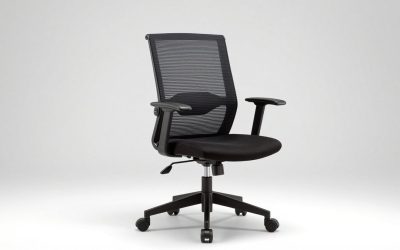
 CHEJODAX Big and Tall Executive Office Desk ChairOversized27.96 x 27.95 x 44 Inches35.7 PoundsCheck on Amazon
A big and tall desk chair rated for 500 lbs is only as strong as its weakest part, so look for a steel or reinforced base, a heavy-duty (Class 4) gas cylinder, a steel seat plate, a seat at least 22–24 inches wide and casters of 3 inches or more, not just a 500 lb number on the box. The rating itself is a manufacturer claim; what you can check is the hardware behind it.
This guide explains how weight ratings are set, which parts carry the load, and how to match seat size and height to your body.
CHEJODAX Big and Tall Executive Office Desk Chair 500lbs, Air Lumbar, Black
Chosen because it specifies Air Lumbar and Black.
View on Amazon
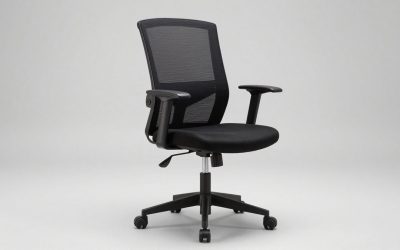
DUMOS Big and Tall Office Desk Chair, 500lbs Heavy Duty Mesh Chair
Chosen because it specifies 500lbs Heavy Duty Mesh Chair.
View on Amazon
Cosauary Big and Tall Office Chair 500LBS, Heavy Duty Office Chair,Black
Chosen because it specifies Heavy Duty Office Chair and Black.
View on Amazon
Stella Mia Big and Tall Office Chair 500 lbs, 23.6" Wide Seat,PU Leather
Chosen because it specifies 23.6" Wide Seat and PU Leather.
View on AmazonWhat a 500 lb Rating Actually Means
Most standard office chairs are designed around the ANSI/BIFMA X5.1 test standard, which uses a design user of about 253 lb. Chairs built for heavier users can be evaluated against ANSI/BIFMA X5.11, the standard for large occupant office chairs, which covers users up to 400 lb. There is no widely used industry standard above that, so a 500 lb rating usually reflects the manufacturer’s own testing and component choices.
That does not make 500 lb chairs unreliable, but it means you should judge the components rather than the headline number. A chair rated 500 lb that also states X5.11 compliance has at least passed an independent test framework up to 400 lb.
The Parts That Carry the Load
| Component | Standard office chair | What to look for at 400–500 lb | Why it matters |
|---|---|---|---|
| Base | Nylon, 26–27 in diameter | Steel or heavy aluminum, 28–30 in diameter | Wider bases resist tipping; metal resists cracking at the arms of the star |
| Gas cylinder | Class 2–3 | Class 4, heavy-duty | The cylinder is the most common failure point; it sinks or leaks first |
| Seat plate / mechanism | Stamped thin steel | Thick steel plate, heavy-duty tilt mechanism | Thin plates flex, loosen bolts and crack |
| Casters | 2–2.5 in nylon | 3 in or larger, polyurethane or rubber treads | Spread weight, roll more easily, protect floors |
| Seat foam | 1.5–1.8 lb/ft³ density | High-density foam, about 2.0 lb/ft³ or higher, 4+ in thick | Low-density foam bottoms out within months |
| Frame | Plastic or plywood shell | Steel frame or thick plywood with metal reinforcement | Prevents seat and back from separating |
Fit: Seat Size and Height
A chair that holds 500 lb but is too narrow will still be uncomfortable and will wear unevenly. Use these measurements as a guide.
| Measurement | Standard chair | Big and tall chair | How to check your need |
|---|---|---|---|
| Seat width | 18–20 in | 22–26 in | Measure hip width seated, add 2 in each side |
| Seat depth | 16–19 in | 19–22 in | Should leave 2–4 fingers between seat edge and back of knee |
| Seat height range | 16–21 in | 18–23 in | Feet flat, thighs roughly level |
| Backrest height | 18–22 in | 24–30 in | Should reach at least shoulder blades; headrest for 6’2″+ |
| Space between armrests | 18–20 in | 22–27 in | Arms should not pinch hips or thighs |
Taller users often find that big and tall chairs have a seat that is too low. If you are 6’4″ or taller, look for a seat height that reaches at least 22–23 inches and pair it with a desk of 30–32 inches.
Chair Types for Heavier Users
| Type | Typical capacity | Typical price | Best for | Trade-offs |
|---|---|---|---|---|
| Bonded or PU leather executive | 350–500 lb | $200–$450 | Plush feel, short to medium sessions | Bonded leather peels in 1–3 years; runs warm |
| Fabric-upholstered task chair | 350–500 lb | $250–$600 | All-day work, breathability | Fabric stains; check foam density |
| Mesh-back with foam seat | 300–400 lb | $300–$900 | Hot rooms, long sessions | Mesh may sag under very heavy loads |
| Commercial 24/7 intensive-use chair | 400–500 lb | $500–$1,200 | Heavy daily use, long warranty | Heavier, firmer, more expensive |
| Armless heavy-duty stool or chair | 400–500 lb | $150–$400 | Wide hips, workshop or drafting use | Less back support |
Situation-Based Recommendations
- Back pain: choose adjustable lumbar support and a tilt lock with several positions. A plush executive chair without lumbar adjustment often feels good for 30 minutes and poorly after four hours.
- Wide hips or thighs: prioritize seat width of 24 inches or more and flip-up or width-adjustable arms. Armless designs remove pinch points entirely.
- Tall and heavy (6’3″+ and 350 lb+): look for a high seat-height range, a 20–22-inch seat depth and a headrest.
- Hot room or long gaming sessions: fabric or mesh back with high-density foam seat; avoid bonded leather.
- Hard floors: use large rubber or polyurethane casters, or a thick chair mat, since heavy loads on small hard casters dent flooring.
What Wears First, and How to Make It Last
- Gas cylinder: often the first part to sink. Many are replaceable for about $25–$60; confirm the chair uses a standard cylinder size.
- Seat foam: low-density foam compresses into a permanent dip. Higher-density foam costs more up front but keeps its shape.
- Bolts under the seat: heavy rocking loosens them. Tighten all seat-plate and arm bolts after the first two weeks, then every few months.
- Upholstery: bonded leather flakes; genuine leather, quality fabric and mesh last longer.
- Casters: small casters crack or flatten; upgrading to 3-inch rubber casters is a cheap improvement.
Avoid sitting on the armrests or dropping onto the seat. Impact loads are many times higher than steady sitting loads and are a leading cause of cracked bases and broken mechanisms.
Assembly and Moving
Heavy-duty chairs often ship in boxes of 50–75 lb. Assembly usually takes 20–40 minutes: attach casters to the base, insert the cylinder, bolt the mechanism to the seat, then add the back and arms. Use a hex key carefully; cross-threaded bolts on a seat plate are a common reason chairs creak and loosen.
Warranty Is a Clue
Warranty terms tell you how confident the maker is. Many budget 500 lb chairs carry 1–2 years of coverage; commercial-grade heavy-duty chairs commonly offer 5–10 years or more on the frame and mechanism. A long warranty on the cylinder and base matters more than coverage on the upholstery.
Bottom Line
For users near 400–500 lb, choose a chair with a metal base, Class 4 cylinder, steel seat plate, high-density foam, 3-inch casters and a seat that fits your hips and height. Treat the 500 lb label as the starting point, and use the component list, fit measurements and warranty to decide which chair will hold up for years.