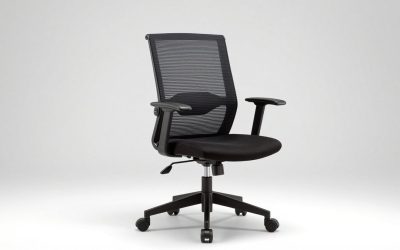
Our Top Picks
A 48 x 24 inch computer desk gives you 8 square feet of work surface, enough for a laptop plus one 27-inch monitor or two 24-inch monitors side by side, and it fits most bedrooms and small home offices with room to spare; it gets tight with an ultrawide, two 27-inch screens or a large tower on top.
What Actually Fits on 48 x 24
Monitor width is the main constraint on width; stand depth and viewing distance are the constraints on depth. Approximate widths without bezels vary slightly by model:
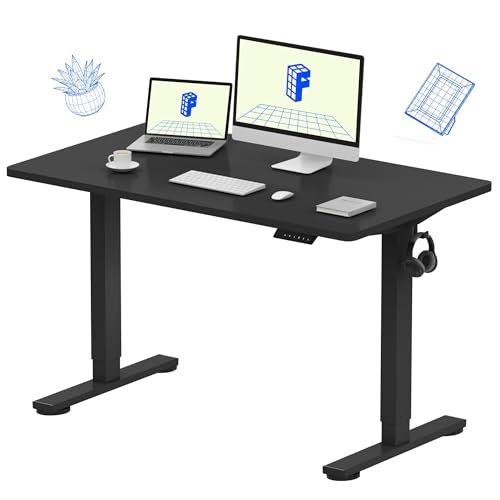
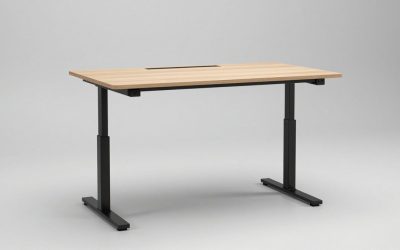
FLEXISPOT EN1 One-Piece Standing Desk, Electric Adjustable with 4 Memory Presets, 176 LBS Capacity, Stable & Quiet, Seamless Desktop for Home Office & Dual Monitors, 48"x24" Black
Chosen because it specifies Electric Adjustable with 4 Memory Presets and 176 LBS Capacity.
View on Amazon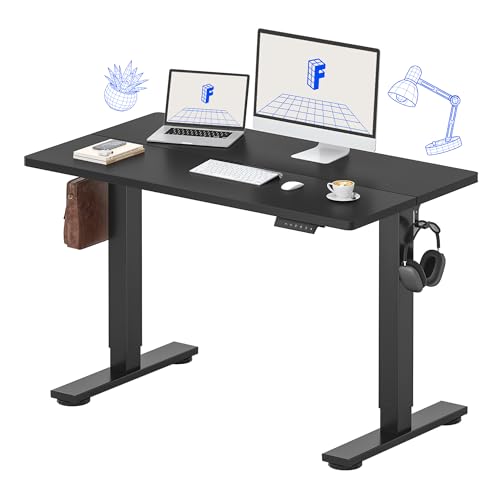
FLEXISPOT 48x24 Inch Electric Standing Desk, Black | Home Office, Remote Work, Study Space, Laptop & Monitor Setup, Everyday Use, Spliced Desktop
Chosen because it specifies Black and Home Office.
View on Amazon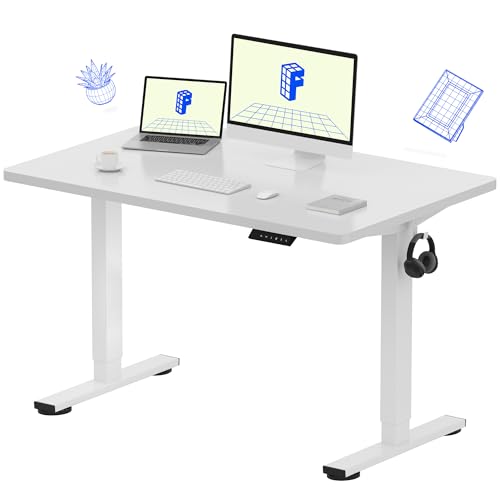
FLEXISPOT EN1 48"x30" One-Piece Standing Desk, White | 1" Thick Seamless Desktop, 176 LBS Capacity, Home Office Use, 4 Memory Presets, Dual Monitor Setup, Anti-Collision Protection
Chosen because it specifies White and 1" Thick Seamless Desktop.
View on Amazon
FLEXISPOT Standing Desk with Drawer, 48 x 24 Inch Electric Adjustable Height Stand Up Desk with Storage Organizer, Whole Piece Wooden Desktop for Home, Office, Computer Workstation, Maple
Chosen because it specifies Whole Piece Wooden Desktop for Home and Office.
View on Amazon| Setup | Width used | Fits on 48 in? | Notes |
|---|---|---|---|
| One 24 in monitor (16:9) | about 21–22 in | Yes, easily | Room for laptop, lamp, speakers |
| One 27 in monitor | about 24–24.5 in | Yes | Plus laptop on a stand beside it |
| Two 24 in monitors | about 43–44 in | Yes, edge to edge | Little room for anything else |
| Two 27 in monitors | about 48–49 in | Barely / overhang | Use a dual arm and angle them inward |
| 34 in ultrawide (21:9) | about 32–32.5 in | Yes | Curved stands are deep; check depth |
| Full keyboard + mouse area | about 26–28 in | Yes | Leaves 20 in for notes or a laptop |
Depth is where 24 inches is just enough. A monitor stand foot is typically 7 to 10 inches deep. With the stand at the back, the screen ends up about 18 to 22 inches from the front edge, then add the distance from your eyes to the desk edge. Most people land within the commonly recommended 20- to 30-inch viewing range. A curved ultrawide on a deep stand can push the screen too far forward, so a monitor arm helps on this size.
Room Fit
A 48 x 24 desk needs about 4 by 2 feet of floor, plus about 36 inches of chair clearance behind it. The working zone is therefore roughly 48 by 60 inches.
| Room | Fit |
|---|---|
| 10 x 10 ft bedroom with full bed (54 x 75 in) | Fits along the wall opposite the bed with walkways of 30 in+ |
| 10 x 12 ft bedroom with queen bed (60 x 80 in) | Fits on a side wall or under a window |
| Dorm room | Often replaces the supplied desk if allowed; check dorm furniture rules |
| Living room alcove 50 in wide | Fits with 1 in each side; measure trim and baseboards |
| Closet office (cloffice) 48 in opening | Too tight unless the closet interior is wider than the door |
48 x 24 Compared With Nearby Sizes
| Size | Area | Typical use |
|---|---|---|
| 40 x 20 in | 5.6 sq ft | Laptop desk, kids’ homework |
| 48 x 24 in | 8 sq ft | One or two monitors, most home offices |
| 55 x 24 in | 9.2 sq ft | Two 24–27 in monitors comfortably |
| 60 x 30 in | 12.5 sq ft | Dual 27 in, paperwork, standard office desk |
Going from 48 to 60 inches wide and from 24 to 30 inches deep increases surface area by more than 50 percent, but also takes a full extra foot of wall. If your wall is 52 inches or less, 48 x 24 is the right ceiling.
Frame and Top Options at This Size
Fixed-height desks
The most common 48 x 24 desks use a steel frame with an engineered-wood top, often 0.6 to 1 inch thick. Thin tops on a wide span can bow slightly in the middle over time, especially with a heavy monitor in the center. A crossbar or rear modesty panel under the top improves stiffness and reduces wobble when you type.
Standing desks
48 x 24 is the entry size for many electric sit-stand desks. Many single-motor frames at this size are rated around 150 to 175 pounds, while dual-motor frames often carry 220 pounds or more. At this width, the frame’s minimum length matters: some frames cannot shrink below about 43 inches, which is fine for a 48-inch top.
Solid wood and butcher block
A 48 x 24 butcher-block top is around 1 to 1.5 inches thick and can weigh 30 to 45 pounds alone. Very stable, no bowing, but heavier to move.
Material Trade-Offs
| Top material | Typical weight (48 x 24) | Sag resistance | Wear | Price range (whole desk) |
|---|---|---|---|---|
| Particleboard laminate, 0.6 in | 12–18 lb | Fair | Edges chip; swells if wet | usually $60–$150 |
| MDF laminate, 1 in | 20–28 lb | Good | Holds screws better | usually $100–$250 |
| Bamboo or butcher block | 25–45 lb | Excellent | Refinishable | usually $250–$600 (with frame) |
| Tempered glass | 25–35 lb | Excellent | Shows smudges; cold for forearms | usually $100–$250 |
Height and Knee Clearance
Most fixed 48 x 24 desks are 29 to 30 inches tall. Check the clearance under any apron or drawer: you want 24 inches or more from floor to the bottom of the apron for most adults, and 26 inches if you are over 6 feet or use a chair with a high seat. Desks with a center drawer often drop clearance to 23 to 24 inches.
Who Should Choose 48 x 24
- Remote worker with a laptop and one monitor: the sweet spot.
- Student: enough room for textbooks next to a laptop.
- Casual gamer with a 27-inch monitor: fine; put the tower on the floor.
- Dual 27-inch or ultrawide plus speakers: go to 55 or 60 inches if the wall allows.
- Artists or people working on paper: consider 30 inches deep instead.
Layout Tips to Get More From 8 Square Feet
- Mount monitors on an arm to recover 7 to 10 inches of depth.
- Use a riser shelf at the back to store a printer, router or speakers above the keyboard area.
- Add an under-desk drawer or hanging cable tray to clear the surface.
- Put a laptop on a vertical stand when you dock it to an external monitor.
For most people, 48 x 24 is the most practical computer desk size: big enough for a real monitor setup, small enough for a bedroom wall.