Our Top Picks
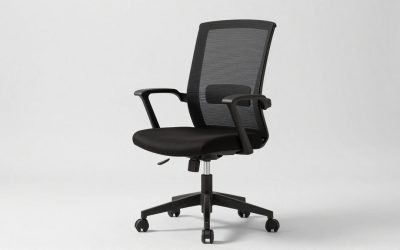
 GTPLAYER Big and Tall Gaming Chair 400lbs HeavyBig and Tall22.05 x 31.5 x 40 Inches41.5 poundsCheck on Amazon
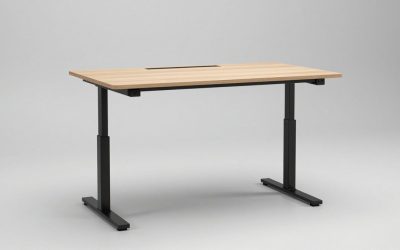
 ZTTEN Dual Motor Electric Standing Desk Frame55.1" W x 23.6" D x 27.5" H23.6 x 55.1 x 27.5 Inches42.99 PoundsCheck on Amazon
What Actually Matters at Higher Weights
Most desk chairs are rated and tested for a 250 lb user, even if marketing copy shows someone much larger sitting in them. That rating isn’t arbitrary. It reflects the gas cylinder, the base, the casters, and the welds on the frame. Push past that number and you’re not just risking comfort, you’re risking a cylinder that sinks under you within a few months or a tilt mechanism that starts clicking and then fails outright. If you’re above 250 lbs, you want a chair explicitly rated for 300-400+ lbs, not one that’s merely “sturdy looking.”
The things that break first, in order, are usually: the gas lift cylinder (slow sink, then fast sink), the tilt tension mechanism (grinding, then locking in one position), the caster wheels (cracking on hard floors), and finally the frame or seat pan itself, which is rarer but catastrophic when it happens. A chair built for higher weight capacities uses a reinforced cylinder, a steel or reinforced nylon base instead of a cheaper five-point plastic star, and often a wider, flatter seat pan so your weight is distributed instead of concentrated on a narrow bucket shape.
Seat Width and Depth, Not Just Weight Rating
Weight capacity gets all the attention, but seat width is the number that determines daily comfort. A chair rated for 400 lbs with an 18-inch seat width is still going to feel cramped if you need 22-24 inches of hip room. Look for seat width specs explicitly, not just “big and tall” marketing language. You want at least 20 inches of width, and 22+ is better if you’re broader through the hips or thighs. Seat depth matters too: too shallow and you lose thigh support, too deep and you can’t reach the backrest without slouching forward, which creates lower back strain over an 8-hour day.
Armrests are the other overlooked detail. Narrow-set armrests dig into your sides on a wider frame. If you’re shopping for a chair in this category, searching big and tall office chairs rated 400 lbs will surface models that list both weight capacity and seat dimensions up front, which is a decent filter for whether the manufacturer actually engineered for this use case versus just slapping a higher number on a standard chair.
How the Common Options Compare
| Chair Type | Typical Weight Rating | Seat Width | Price Range | Main Failure Point |
|---|---|---|---|---|
| Standard office chair | 250 lbs | 18-19 in | $100-200 | Gas cylinder sinks within 3-6 months of overload |
| Big and tall rated chair | 350-400 lbs | 21-23 in | $200-400 | Casters crack on hard flooring after a year or two |
| Heavy duty / 500 lb+ chair | 500-600 lbs | 23-26 in | $350-700 | Rare, usually just general wear on upholstery |
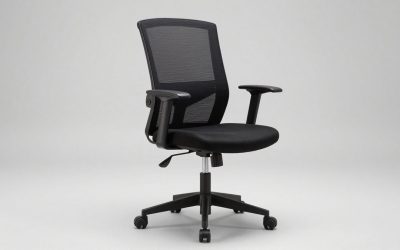
| Ergonomic mesh big and tall | 300-350 lbs | 20-22 in | $250-500 | Mesh stretching/sagging over 2-3 years |
If your weight is in the 250-300 lb range, a mid-tier big and tall chair in the $200-300 bracket is genuinely fine. You don’t need to spend $600 on a chair rated for 500 lbs just because it exists. That tier makes sense past 350 lbs, where standard “big and tall” chairs start cutting it close on both the frame and the cylinder.
Mesh vs. Foam at Higher Weights
Mesh seats get recommended a lot for airflow, but at higher weights a thin mesh seat can feel like sitting on a trampoline that’s too tight, with pressure concentrated under your sit bones instead of spread across a cushion. Foam seat pans, especially the higher-density foam used in heavy duty chairs, tend to hold up better and distribute weight more evenly. Mesh backs are usually fine either way since they’re not bearing your full weight the same way the seat is. If you run hot, a foam seat with a mesh back is a reasonable middle ground.
Casters and the Floor You’re Rolling On
This gets skipped constantly and it’s where a lot of otherwise good chairs fail early. Standard plastic casters are rated for lighter loads and crack or flatten on hard flooring under sustained higher weight. If you’re on hardwood, tile, or laminate, replace the stock casters with heavy duty rated ones, which run $15-25 for a set of five and are a five-minute swap. On carpet, the stock casters usually hold up longer because the carpet absorbs some of the load, but they still wear faster than on a lighter-duty setup. This is a cheap fix that extends the life of an otherwise solid chair, so don’t skip it just because the chair itself is already a bigger purchase.
Don’t Ignore the Desk Side of This
A wider, more heavily built chair often sits higher or needs more legroom underneath than a standard desk provides, especially with armrests that don’t retract. If you’re already upgrading the chair, check that your desk height and under-desk clearance still work with the new seat height and armrest width. A fixed-height desk that was fine with your old chair can suddenly feel cramped. If you’re also reconsidering the desk, it’s worth looking at height adjustable desks with heavier duty frames, since standing desk motors also have weight ratings on the surface load, separate from the chair question but worth checking if you’re doing a full setup.
What to Actually Buy
Match the chair’s rated capacity to your weight with real margin, not just barely over. If you’re 280 lbs, don’t buy a chair rated for exactly 300. Buy one rated for 350-400 so the cylinder and frame aren’t working at their limit every single day, which is what shortens their lifespan. Prioritize seat width and depth specs over the weight number alone, since that’s what you’ll actually feel after the first hour of sitting. And swap the casters if you’re on hard flooring, because that’s the cheapest insurance against the most common early failure.