Our Top Picks
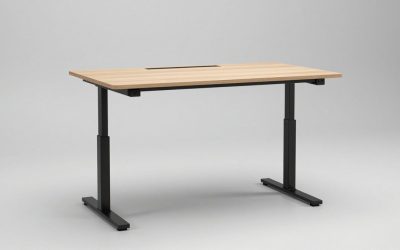
 Veken 55 Inch Large Electric Standing Desk55×23.6 Inch23.64 x 55.12 x 28.3 Inches42.1 poundsCheck on Amazon
Pros & cons
- Quiet motor runs under 52 decibels during height changes
- Built-in cable management keeps cords tidy
- 55-inch desktop fits multiple monitors and gaming gear
- Two-board desktop construction may show a center seam
- At over 42 pounds, assembly needs some help

If you’re over 6’2″ (188 cm), most standing desks sold as “standard” will let you down, literally. The failure point isn’t standing height, almost every electric desk can go to 48 inches or higher. It’s sitting height. A lot of desks have a minimum height of 28-29 inches, which is too tall for a short person but puts the desk at an awkward spot for sitting if you’re tall and like a lower chair, and more importantly, the real problem shows up with monitor height and keyboard tray clearance once you’re standing at 50+ inches with your elbows needing to sit around 44-46 inches off the floor.
What actually matters for tall users
Three numbers decide whether a desk works for you: max height, frame stability at max extension, and legroom under the desk when seated. Standing elbow height is roughly 0.65 times your total height. At 6’4″ (193 cm) that’s about 46 inches of elbow height, meaning your desktop surface (accounting for a 1-1.5 inch desktop thickness) needs to reach at least 44-45 inches. Plenty of desks marketed as “height adjustable” top out at 47-48 inches total, which sounds fine until you realize that’s measured to the top of the frame, not always the usable work surface, and some lose an inch or two once you add a monitor arm clamp or desktop converter on top.
Stability at height is the other issue nobody mentions in listings. Dual-motor desks with a single center column wobble more at 50+ inches than desks with two full-depth telescoping legs. If you type hard or rest your weight on the desk while standing, a wobbly desk at max height is miserable day after day. This is where cheaper desks fall apart, not in whether they reach the height, but in whether they’re usable once they’re there.
Height ranges by desk type
Here’s how the common categories actually compare for someone around 6’3″-6’6″:
| Desk type | Typical max height | Good for 6’3″+? | Main trade-off |
|---|---|---|---|
| Budget crank/manual | 45-47″ | Marginal | Cheap but you’ll be close to the ceiling of its range, no headroom for a tall monitor arm |
| Standard dual-motor electric | 48-50″ | Yes, usually | Fine for most tall users, watch wobble at full extension |
| Tall-frame electric (specialty) | 51-55″ | Comfortably | Pricier, fewer color/size options, longer lead times from some sellers |
| Desktop converter | Adds 16-20″ to existing desk | Depends on base desk | Only works if your sitting desk is already tall enough; doesn’t fix a too-short desk |
If you’re 6’0″-6’3″, a standard dual-motor desk from the 48-50 inch category covers you with margin to spare. Past 6’4″, you want to specifically check the listed max height before buying, not just assume “electric standing desk” means it’ll fit. Searching tall standing desks with extended height range will surface frames built specifically for this, rather than the generic 48-inch models that dominate search results.
Legroom and sitting mode
Tall users often get fixated on standing height and forget sitting mode is still part of the day. Long legs need either a lower minimum height (so you’re not perched too high relative to your chair) or a taller chair to match. If your desk’s minimum height is 28 inches and you’re using a standard office chair with a seat height of 18-21 inches, you may find your knees jammed under the desk when seated with the keyboard tray at a normal typing position. Check minimum height listed in the spec sheet, not just max. A desk that only goes from 29″ to 48″ gives you range at the top but may force an uncomfortable crouch at the bottom.
Cable management and crossbar placement also matter more at your size. Some frames have a center crossbar positioned at a height that’s irrelevant for average users but hits right at knee or shin level for someone with long legs stretched under the desk. There’s no spec for this, you generally have to look at photos or reviews mentioning it.
Monitor arm and accessory clearance
Once the desk itself clears your elbow height, the next failure point is monitor position. A fixed monitor stand puts the screen too low for a tall user at standing height, forcing neck flexion all day, the same ergonomic problem the standing desk was supposed to fix. A gas-spring monitor arm with extended vertical range solves this independent of desk height, letting you push the screen up another 6-8 inches without needing a taller desk. This is often cheaper than buying a specialty tall desk if your current desk is only 1-2 inches short of ideal.
Keyboard trays are a mixed bag for tall users. Most trays are built for average forearm length and sitting posture; at standing height with a tall frame, a tray can end up positioned wrong relative to the desktop. Skip the tray unless you’ve confirmed it adjusts independently of the main desk height, otherwise you’re fighting two adjustment systems instead of one.
When the cheap option is fine
If you’re 6’0″-6’2″, don’t overspend on a “tall” specialty frame. A standard 48-50 inch dual-motor desk in the mid-price range covers that height with room to spare, and the stability is usually better than cheaper manual-crank options anyway because the motor assist means less flex under load. The real spending threshold is around 6’4″: below that, standard desks work; above that, check max height specs carefully or expect to pay more for a frame built for the range. Where I’d spend extra regardless of height is the monitor arm, a $40 fixed stand versus a $90 gas-spring arm is the difference between neck strain and not, and that’s true whether you’re 5’6″ or 6’8″.