Our Top Picks
Pros & cons
- Retractable footrest adds a napping or relaxing mode
- Class 4 gas lift supports up to 365 pounds
- Dual-wheel casters glide quietly across multiple floor types
- 90 to 145 degree recline range needs floor space behind it
- At 30 pounds, it is heavier to reposition than basic chairs
A desk chair with foot rest is worth it if your feet don’t rest flat at your desk height, but the right type depends on how you work: a built-in retractable footrest keeps your legs supported when you recline, while a separate footstool is better for upright work, circulation, and keeping your chair’s full rotation.
Built-In Retractable Footrest vs. Separate Footstool: The Core Difference
The two options solve different problems. A built-in footrest is attached to the chair frame and pulls out from under the seat, usually as a 14 to 18-inch fabric or mesh panel on a two-bar metal extension. A separate footstool is an independent ottoman, foot hammock, or angled footrest that sits on the floor under your desk.

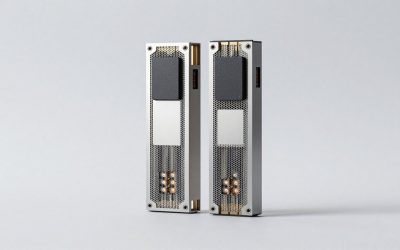
CasaZenith Foot Rest, Six Heights Adjustable Foot Rest Under Desk at Work | Ergonomic Foot Stool for Under Office Desk, Under Desk Footrest with Foot Massage Roller, Chair Footrest for Leg Rest - Black
Chosen because it specifies Six Heights Adjustable Foot Rest Under Desk at Work.
View on Amazon
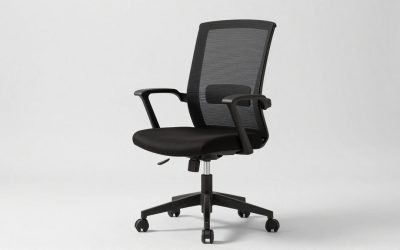
Ergonomic Office Chair with Footrest, 90-145° Reclining Mesh Desk Chair
Chosen because it specifies 90-145° Reclining Mesh Desk Chair.
View on Amazon
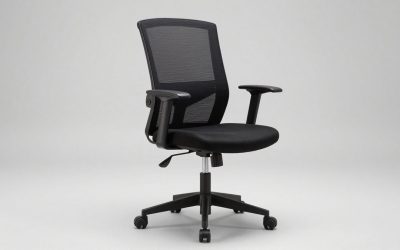
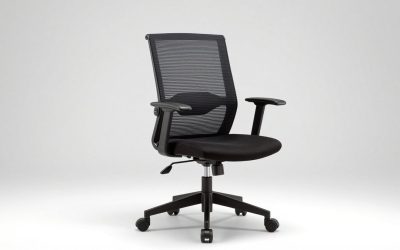
Desk Chair with Foot Rest, High-Back Mesh Office Chair with Wheels, Black
Chosen because it specifies High-Back Mesh Office Chair with Wheels and Black.
View on Amazon
ComfiLife Foot Rest for Under Desk at Work – Adjustable Height Memory Foam Foot Stool for Under Desk, Office Chair & Gaming Chair – Ergonomic Footrest for Back & Hip Pain Relief (Black)
Chosen because it specifies Adjustable Height Memory Foam Foot Stool for Under Desk and Office Chair & Gaming Chair.
View on AmazonThat structural difference changes three things that product listings rarely explain: how much leg length actually gets supported, how much weight the rest can hold when you are reclined versus sitting upright, and whether you can still move at your desk.
1. Extension Length vs. Actual Leg Support
Most retractable footrests extend 14 to 18 inches from the front edge of the seat. That sounds long until you measure a leg. For a person who is 5’4″ to 5’10”, the distance from the back of the knee to the heel is typically 18 to 22 inches. A 14-inch panel will support your calves, not your heels. An 18-inch panel will support most of your lower leg but your heels may hang off the end if you are taller than 6’0″.
A separate footstool does not have that limitation. Because it sits on the floor, you place your feet flat on it and get full foot and calf support regardless of your height. You adjust distance, not extension length. This is why a separate stool is more effective as a desk foot rest for circulation – you can keep your knees at 90 to 100 degrees with feet flat, which helps prevent pressure on the back of the thighs that restricts blood flow.
If you want a true recline-and-rest experience for breaks, the built-in is more comfortable. If you want to maintain good leg circulation while typing, the separate stool with feet flat is ergonomically better.
2. Weight Rating: Seated vs. Reclined Load
Almost every ergonomic chair with foot rest lists a single chair weight capacity, usually 250 to 300 lbs for standard models and up to 350 lbs for big-and-tall frames. That rating assumes weight distributed through the seat and backrest when you are sitting upright.
A deployed retractable footrest creates a lever arm. When you recline to 135 to 150 degrees and put your full lower-leg weight on the panel, the load shifts to two thin support bars and the footrest fabric. Most manufacturers rate the footrest itself for only 30 to 50 lbs of static pressure, not full body weight. Standing on it or bouncing your legs will bend the rails or tear the mesh.
A separate solid footstool is rated like a small stool: 150 to 250 lbs for foam ottomans and up to 300 lbs for solid wood or metal footrests. You can shift your full weight onto it without stressing the chair frame.
3. Rotation and Movement Block
This is the most overlooked trade-off. When a built-in footrest is deployed, the panel sits 10 to 14 inches off the floor and extends forward from the chair’s five-star base.
In that position, the chair cannot spin 360 degrees or roll freely without the footrest hitting your desk legs, pedestal, or nearby furniture. You need a clear arc of at least 28 to 32 inches in front of the chair to swing the footrest out and recline. In a 10×12 ft home office, that often means pulling the chair 20 to 24 inches away from the desk to use the footrest, which is not usable while you are working at the keyboard.
A separate footstool does not block rotation at all. The chair base rolls over it or you simply push the stool aside with your feet. For tasks where you swivel between monitors, a desk, and a side table, the separate option keeps your mobility.
When a Footrest Actually Fixes Dangling Feet
A footrest is not just for reclining. It is the correct fix when your desk is too high for your height and your feet do not rest flat on the floor, which is common with standard 29 to 30-inch high desks.
| User Height | Ideal Seat Height (feet flat on floor) | Works at 29-30″ Desk? | Best Fix |
|---|---|---|---|
| 5’0″ – 5’4″ (152-163 cm) | 15.5 – 17.0 inches | No – feet dangle 2-4 inches | Separate footrest 3-5 inches high, or foot hammock |
| 5’5″ – 5’9″ (165-175 cm) | 17.0 – 18.5 inches | Borderline – toes may barely touch | Low-profile footstool 2-4 inches or height-adjustable footrest |
| 5’10” – 6’1″ (178-185 cm) | 18.5 – 20.0 inches | Yes – feet flat at 29″ desk | No footrest needed for posture; built-in for breaks only |
| 6’2″+ (188 cm+) | 20.0 – 22.0 inches | Yes, but knees may be above 90 degrees | Adjustable desk 30-31″ or footrest not needed |
If your seat needs to be higher than 19 inches to get your arms at a 90-degree angle to a 30-inch desk, but your feet lift off the floor at that height, a separate desk foot rest for circulation is the correct ergonomic solution. It lets you keep the seat at proper arm height while keeping your feet supported flat and your thighs parallel to the floor. A built-in retractable panel does not solve this, because it is designed for reclined leg support, not for flat-foot support while upright.
For standing desks set at 28 to 27 inches for shorter users, neither option is needed while standing. The footrest matters when you sit.
Head-to-Head Spec Comparison
| Spec | Built-In Retractable Footrest | Separate Footstool / Foot Rest |
|---|---|---|
| Support style | Calf support while reclined | Flat foot support while upright |
| Extension / Size | 14-18 inches from seat edge | 16-20″ W x 12-16″ D footprint on floor |
| Weight limit on rest | 30-50 lbs (lower leg only) | 150-300 lbs depending on construction |
| Chair rotation when in use | Blocked – requires 28-32″ clear arc | Not blocked – push aside with feet |
| Desk clearance needed | Chair must roll 20-24″ back from desk | Fits under desk, needs 18″ depth under desk |
| Best desk height use | Any height, but only useful when reclined away from desk | Fixes dangling feet at 29-30″ fixed-height desks |
| Price range in 2026 | Usually $250-$550 as part of chair | Usually $30-$120 standalone; $60-$180 for ergonomic adjustable models |
| What wears first | Mesh fabric sag, rail slider loosens, locking pin bends | Foam compression (12-18 months), fabric pilling, rocking feet pads |
Material and Construction Trade-Offs
Weight, durability, and comfort depend more on construction than on look.
| Component | Budget Option | Mid-Range / Durable Option | Trade-Off |
|---|---|---|---|
| Built-in frame | Hollow steel tubes, plastic slider | Solid steel rails, aluminum locking hub | Plastic sliders wobble after 6-12 months; steel lasts but adds 3-5 lbs to chair |
| Built-in surface | Polyester mesh panel | Woven textile or padded fold-out panel | Mesh is breathable but sags; padded is comfortable but traps heat |
| Separate footstool – foam | Low-density foam (1.2-1.5 lb/ft3) | High-density foam (1.8-2.2 lb/ft3) or memory foam | Low-density compresses flat in under a year; high-density keeps shape for 3+ years |
| Separate footstool – cover | Polyester fabric | Woven fabric, PU leather, or velvet with removable cover | Polyester is durable and pet-friendly; PU leather wipes clean but peels in 2-3 years in sun |
For an ergonomic chair with foot rest that you plan to use daily, check the rail thickness and whether the footrest locks with a metal pin rather than just friction. For a separate stool, check foam density and whether the cover is removable and washable – the footrest is the first part to show wear from shoes and socks.
Which Should You Choose? A Decision Matrix
Use your room, work style, and who uses the chair to decide.
- Choose a built-in retractable footrest if: You work long hours and want to lean back for calls, reading, or 10-minute breaks without leaving your chair; you have at least 30 inches of clearance in front of your chair to recline; and you do not need to swivel while the rest is out. Ideal for a dedicated home office or gaming setup where the chair stays in one place.
- Choose a separate footstool if: Your feet dangle at your desk height; you want a desk foot rest for circulation with feet flat and knees at 90 degrees; you work in a small apartment or share a 10×12 ft room where chair rotation matters; or you use a height-adjustable desk. Also better for renters – you can move the stool to a sofa or another chair.
- Consider both if: You are under 5’5″ and also want recline breaks. Use a low separate stool (3-4 inches) for upright work, and the built-in for reclined rest. Just avoid stacking height – do not put your feet on both at once.
- Skip the built-in if: You have kids or pets who may step or jump on the extended panel. The 30-50 lb limit will not hold a child standing on it, and replacement rails are rarely sold separately.
Assembly, Moving, and Durability Realities
A desk chair with a built-in footrest ships in a box weighing 45 to 60 lbs and requires 20 to 40 minutes of assembly. The footrest module adds two rails and four to six bolts. Common failure points after 12 to 18 months are loose rail screws, stretched mesh, and a footrest that no longer locks flat. Tightening the slider screws every few months prevents wobble.
A separate footstool ships at 6 to 12 lbs, needs no assembly, and fits through any 28-inch doorway. Its failure point is foam compression. If the stool is under 4 inches thick and uses low-density foam, expect a visible dip where your heels rest after about a year of daily use. Choosing a 5 to 6-inch high-density foam or solid wood angled rest avoids this.
For moving, a built-in adds permanent bulk – the chair base is 26 to 28 inches wide regardless, but the footrest mechanism adds length even when retracted. A separate stool can be moved, stored under the desk, or repurposed if you change chairs.
Final Recommendation by Situation
For upright ergonomic support and better leg circulation at a standard-height desk, a separate footstool is more versatile, cheaper to replace, and does not limit chair movement. For a chair you will recline in for breaks, movies, or between tasks, the built-in retractable footrest is more integrated and comfortable – just be sure to measure your leg length against the 14 to 18-inch extension and leave room to use it.
If you are buying your first ergonomic chair with foot rest, prioritize seat height range, lumbar adjustability, and recline lock first. The footrest type is secondary to whether the chair lets you sit with feet flat, thighs parallel, and lower back supported at your actual desk height.