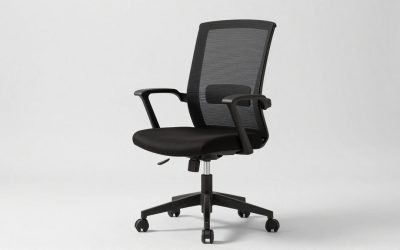
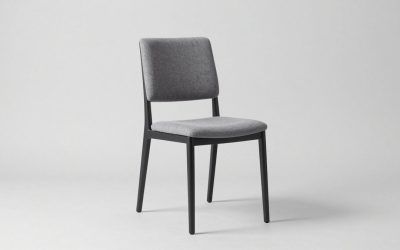
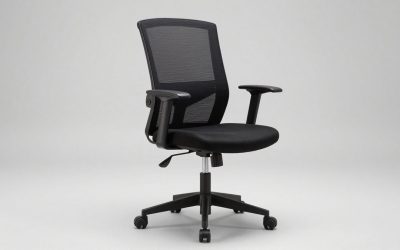
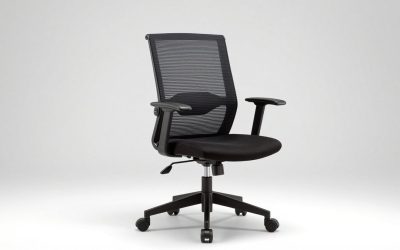
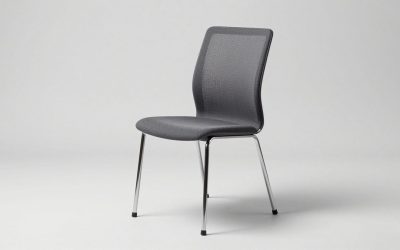
Our Top Picks
 Regency Welcome Bariatric Guest Reception and Waiting RoomBariatric26.5 x 30.5 x 34 inches41 poundsCheck on Amazon


Waiting room chairs get a different kind of abuse than office chairs. Nobody adjusts them, nobody owns them, and they sit empty half the day then get hit with a wave of people who sit down hard, lean on the arms to stand up, and never touch the recline lever because there isn’t one. If you’re furnishing a waiting room on a budget, the good news is you don’t need to spend office-chair money to get something durable. The bad news is most “cheap waiting room chairs” listings mix genuinely tough commercial seating with flimsy stuff that will crack arms within a year.
What actually matters for this use case
Waiting room seating has different priorities than a desk chair. Nobody’s sitting for eight hours, so deep ergonomic adjustability doesn’t matter much. What matters is weight capacity, how the frame handles people pushing off the arms to stand, and whether the upholstery can be wiped down between patients or clients. Fabric looks nicer in a showroom photo but vinyl or polyurethane holds up better in a medical or dental office where spills and sanitizer wipes are routine.
Stack or gang-mountable chairs (ones that bolt together in a row) are worth considering if you have a bench of seating against a wall. They stop chairs from sliding apart or getting kicked out of line, and they look more intentional than a row of loose chairs. If you’re only buying 4-6 chairs for a small office lobby, this matters less and you can just buy individual armchairs.
What you get at each price point
| Price per chair | Frame | Typical weight rating | Expected lifespan (daily commercial use) |
|---|---|---|---|
| $50-80 | Steel tube frame, molded foam seat | 250-300 lbs | 1-2 years before arm caps crack or foam flattens |
| $90-150 | Heavier gauge steel, reinforced arm joints | 300-350 lbs | 3-5 years |
| $150-250 | Commercial-grade steel or aluminum, replaceable upholstery panels | 350-400+ lbs | 5-8 years, often with a real warranty (5+ years) |
The jump from the bottom tier to the middle tier is where you get the most value. Going from $60 to $120 roughly triples the lifespan because the failure point on cheap chairs is almost always the arm joint, not the seat foam. People push off the arms every time they stand, and a thin steel bracket welded at a bad angle will loosen and eventually snap. Spending more at the very top tier buys you replaceable parts and a real warranty more than it buys you comfort.
Where the cheap option is genuinely fine
If your waiting room sees light traffic (a small accounting office, a boutique retail fitting area, anywhere people sit for under 10 minutes a handful of times a day), the $50-80 tier is a reasonable call. The failure mode there isn’t catastrophic, it’s cosmetic: arm caps yellow, foam gets a permanent dent, fabric pills. None of that is a liability issue, it just looks tired after a couple of years. For that kind of low-traffic setting, browsing waiting room chairs in that price band and replacing them every 18-24 months can actually cost less over five years than buying one expensive set, because you’re not paying for durability you don’t need.
Where cheap stops being fine is high-traffic settings: urgent care, DMV-style offices, physical therapy clinics where patients lean on arms to push themselves up. There, a cracked arm isn’t just ugly, it’s a fall risk. That’s the setting where paying for the $150+ tier earns its cost back in avoided replacements and avoided liability.
Arms, no arms, and the stand-up problem
Armless chairs are cheaper and take up less floor space, which is why a lot of waiting rooms default to them. But for any population that includes elderly patients or anyone with mobility issues, armrests aren’t a comfort feature, they’re how people get up. If your clientele skews older (medical, dental, physical therapy, elder law), spend the extra $15-20 per chair for arms rated to take someone’s full weight pushing down, not decorative armrests that are really just a foam-wrapped stick. There’s a real difference between the two and it’s usually invisible until someone leans on one wrong.
For bariatric or mixed-weight-capacity needs, it’s worth buying a few chairs separately rated at 400-500 lbs rather than assuming your standard chairs will quietly handle it. A good number of waiting rooms keep two or three heavier-duty chairs mixed into the row for exactly this reason. Searching bariatric waiting room chairs gets you options rated well above standard capacity without having to furnish the entire room at that price point.
Stacking, ganging, and floor space
If floor space is tight or you need to rearrange the room for events, stacking chairs are worth the slightly higher price over fixed armchairs. A decent stacking chair in the $70-100 range will handle daily stacking without the frame loosening, where a cheap $40 stacking chair will develop a wobble within months because the stacking mechanism itself is a stress point. If you don’t need to move chairs around, skip stacking chairs entirely, they’re solving a problem you don’t have and you’ll pay a small premium for a feature that just sits unused. For rooms that do need the flexibility, stacking office chairs rated for daily use (not occasional storage) are the ones to look for.
Bottom line
Buy based on who’s sitting and how hard the chairs get used, not based on finding the single cheapest listing. A low-traffic lobby can run on $60 chairs replaced every couple years for less total cost than one expensive set. A clinic with elderly or mobility-limited patients needs real arms and a higher weight rating from day one, because the failure mode there isn’t a worn-looking chair, it’s someone falling.