Our Top Picks


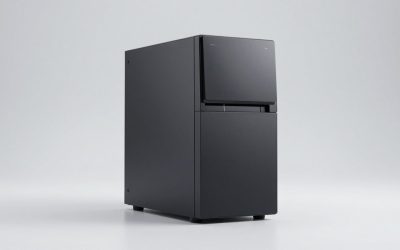
A CPU holder sounds like a minor accessory until you’ve spent a Saturday fishing dust bunnies and a tangle of cables out from under your desk to find the power button. Getting your tower off the floor does three things: it keeps the intake fans away from carpet dust and pet hair, it frees up floor space for your feet, and it makes cable routing to the back of the case genuinely easier. It’s not a glamorous upgrade, but it’s one of those setup changes you notice every single day.
Do you actually need one
If your tower sits on hardwood or tile and you vacuum regularly, a holder is a nice-to-have, not a must. The real problem cases are carpeted offices, homes with pets, and anyone whose case intake fans are low on the front or bottom panel. Dust buildup inside a case isn’t just an aesthetics issue, it raises component temps over time and makes fans work harder and louder to compensate. If you’re cleaning dust filters more than once a month, that’s your sign.
The other common reason people buy one isn’t dust at all, it’s legroom. A full tower parked under a desk eats into knee space fast, especially on smaller desks or sit-stand setups where you want to pull your chair in close.
The three basic types
Under desk CPU holders fall into a few categories, and picking the wrong one for your case size is the most common mistake.
| Type | Best for | Typical weight limit | Trade-off |
|---|---|---|---|
| Sliding tray (mounts to desk underside, case sits on top) | Mid towers, mini-ITX | 20-35 lbs | Needs clearance under the desk to slide in/out |
| Adjustable cage/bracket with side rails | Full towers, variable widths | 35-50 lbs | Bulkier, takes up more under-desk depth |
| Wheeled floor stand | Any size, especially heavy towers | 50+ lbs | Doesn’t free up floor space, just adds mobility |
For most home office setups with a mid-tower case, a sliding tray is the right call. If you’re running a full tower with a lot of mass (think multiple drives, a big AIO, extra fans), check the holder’s load rating before you buy, because a lot of budget trays are rated for 20-25 lbs and a loaded full tower can quietly exceed that. You can browse the range of under desk CPU holders to see how widely the sizing and weight ratings vary before settling on one.
Mounting: screws vs clamps
Most holders attach one of two ways. Screw-mounted trays bolt into the underside of your desktop and are more secure, but they mean drilling into your desk, which is a dealbreaker if it’s a rental or a nice slab you don’t want to mark up. Clamp-based holders grip the desk’s edge or underside lip without permanent holes, which is better for standing desks and shared or rented furniture, but they can loosen over time with vibration from fans or if you bump the case while cleaning.
If your desk has a particle board or thin veneer top, be cautious with screw-mounted trays. The screws can strip out of soft board material faster than you’d expect under repeated case removal, and once that happens the tray starts to sag. A clamp model is often the safer choice on cheaper desks for that reason alone.
Measuring before you buy
The single biggest return reason for these products is a case that doesn’t fit. Before you buy, measure three things: your case width (not depth), the clearance height between your desk’s underside and the floor, and how far forward the holder will sit relative to your legs. A lot of people buy a holder sized for case width but forget that a sliding tray adds its own hardware thickness, which can turn a case that technically fits into one that’s a tight, scraping squeeze every time you slide it.
Also check your case’s intake location. If your fans pull air from the bottom panel, make sure the holder’s deck isn’t a solid sheet of metal blocking airflow. Mesh-bottom or open-frame trays matter more here than most buyers realize until their temps creep up after the switch.
Cable management after mounting
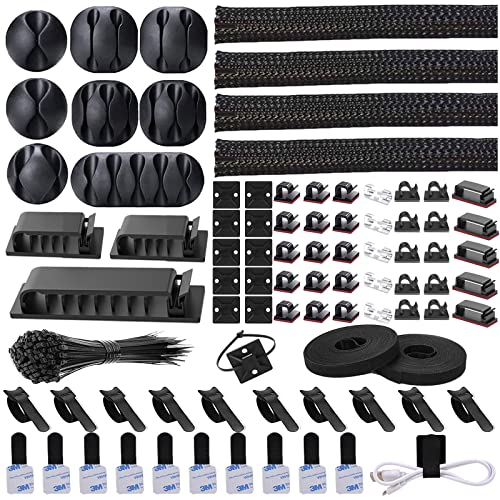
Lifting the tower off the floor changes your cable routing, usually for the better, but only if you plan for it. You’ll want slack in your power cable, monitor cables, and any front-panel USB extensions, enough to let the tray slide fully out without yanking a connector loose. A simple fix is running those cables through a cable management sleeve with a few inches of give built in, so the bundle flexes instead of pulling taut.
If the holder is going on a standing desk, this part matters even more. Cables that are fine at sitting height can go tight or snag when the desk rises, so route everything with the desk at its highest setting in mind, not its lowest.
When to just skip it
If you’ve got a mini-ITX build or a small form factor case, a holder is often overkill. These cases are light enough that a basic under desk shelf does the same job for less money and more flexibility, since you’re not locked into a tray sized for one specific case width. And if your floor is clean, dust-free hardwood and you’ve got the legroom to spare, there’s a real argument for leaving the tower exactly where it is. Not every setup problem needs a bracket.