Our Top Picks
 VIVO Manual Height Adjustable Standing Desk Converter32"31.5 x 31.5 x 31.3 inches26 poundsCheck on Amazon
Most standing desk reviews are written by and for people who are 5’9″ or taller, which means the advice quietly fails anyone shorter. If you’re under about 5’4″, the real problem isn’t finding a desk that goes high enough. It’s finding one that goes low enough. A huge number of sit-stand desks bottom out at 28-29 inches, which is already too tall for comfortable sitting if your elbows need the desk at 24-26 inches when seated.
This matters more than top height, more than speed, more than weight capacity. A desk that can’t drop low enough forces you to either raise your chair (and then your feet don’t reach the floor) or sit with your shoulders hiked up all day. That’s how you end up with neck and shoulder pain that has nothing to do with standing at all.
The real number to check: minimum height, not maximum
Standard electric desks from mainstream brands typically have a range of 28″ to 48″. That bottom number is the one short buyers need to interrogate before anything else. For reference, if you’re 5’2″, your seated elbow height is usually around 23-24 inches. A desk that stops at 28″ is sitting 4-5 inches too high for you even in the “low” position.
Desks marketed specifically with an extended low range (some go down to 22.3″ or 23″) exist, but they’re a minority of the market, and manufacturers don’t always put that number front and center in the listing title. You often have to open the spec sheet. If a product page only lists max height prominently and buries or omits min height, that’s a small red flag worth noting, not necessarily a dealbreaker, but worth digging for.
Frame type matters more than brand name
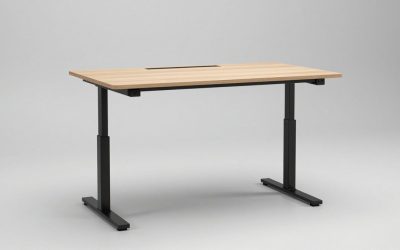
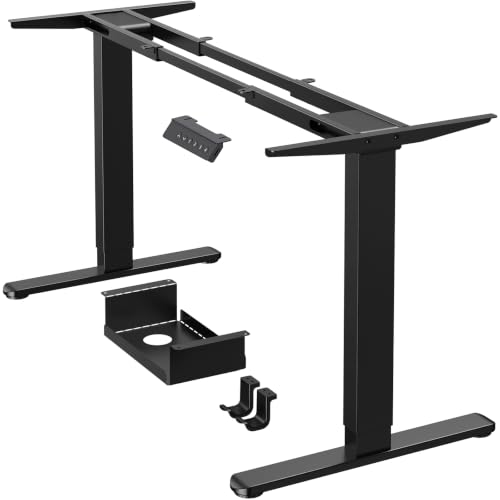
Single-motor frames are usually cheaper but also tend to have higher minimum heights because the lifting column design needs more clearance. Dual-motor frames, where each leg has its own motor, more often reach lower minimums and lift more evenly, which matters when you’re closer to the floor and small tilts feel more pronounced. If you’re shopping, it’s worth browsing a dual motor standing desk category specifically and filtering by the listed minimum height rather than going by price or brand recognition alone.
Desktop size is the other sneaky variable. A compact 40″ wide top is easier to manage at a lower seated height because you’re not reaching across a huge surface with short arms. A 60″ top looks great in photos but can mean more shoulder strain reaching for things at the edges, regardless of height adjustability.
How the common options stack up
| Desk type | Typical min height | Typical cost | Best for | Watch out for |
|---|---|---|---|---|
| Budget single-motor electric | 28-29″ | $180-$280 | Average/taller users on a budget | Often too tall even at lowest setting for sub-5’4″ users |
| Dual-motor electric, extended range | 23-25″ | $350-$550 | Short users who need true sitting height | Higher price, heavier frame, longer assembly |
| Crank/manual adjustable | 26-28″ | $150-$250 | Occasional adjusters, tight budgets | Slow to adjust, discourages actually changing position often |
| Fixed-height desk + separate riser | Depends on riser, often 2-4″ above desktop | $80-$200 for riser alone | Renters, people who already have a desk they like | Doesn’t fix sitting height, only adds standing option |
The fixed-height-plus-riser combo is underrated and worth being honest about: if your real problem is sitting too high, a standing desk converter doesn’t solve that at all. You still need the base desk or table to be the right seated height first. A standing desk converter is a reasonable add-on, not a replacement for getting the base height right.
Fix the chair before you fix the desk
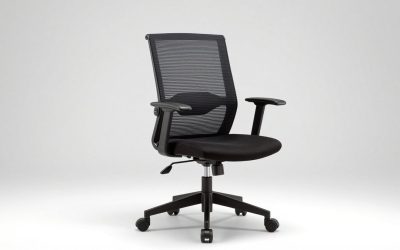
If budget is tight, spend the first money on a chair that actually goes low enough and a footrest, not on the fanciest desk frame. A chair that bottoms out at 17″ of seat height is already too tall for someone 5’2″ or under, which forces feet to dangle and knees to sit at an angle that cuts circulation over long sitting stretches. A $25-$30 footrest fixes more day-to-day discomfort than a $150 upgrade from single to dual motor. Do both if you can, but don’t skip the cheap fix while saving for the expensive one.
Assembly and stability at low height
One failure mode specific to short users: desks feel wobblier at their lowest height setting because the lifting columns are more compressed and there’s less overlap between the inner and outer tube sections. If you’re going to live at 24-26 inches most of the day, test for wobble at that height specifically during the return window, not at 40″ where most demo videos show it. Push down firmly on a corner and check for flex. Minor sway during fast typing is normal; a desk that rocks when you lean on it is not.
Cable management also gets trickier at low heights because under-desk trays and power strips designed for 30″+ clearance don’t always fit when the desk is sitting at 24″. Check tray clearance specs if you plan to mount one, or just skip the tray and route cables along a leg with simple clips instead.
What to actually buy
If you’re 5’4″ or taller, most mainstream electric desks work fine and this whole minimum-height issue barely applies to you. Buy on motor count, weight capacity, and desktop size like everyone else. If you’re under 5’4″, specifically under 5’2″, skip anything that doesn’t publish a minimum height at or below 25 inches, and don’t let a low price tag talk you into a desk that will leave you sitting with your shoulders at your ears for eight hours a day.