Our Top Picks
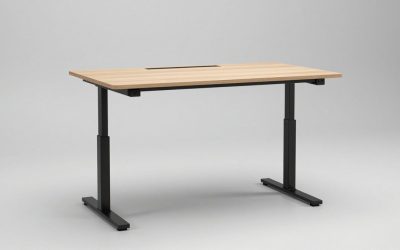
 48" Adjustable Height Workbench with 1000LBS Capacity48" Crank Handle23.6 x 47.2 x 47 inchesCheck on Amazon
 VIVO Manual Height Adjustable Standing Desk Converter32"31.5 x 31.5 x 31.3 inches26 poundsCheck on Amazon
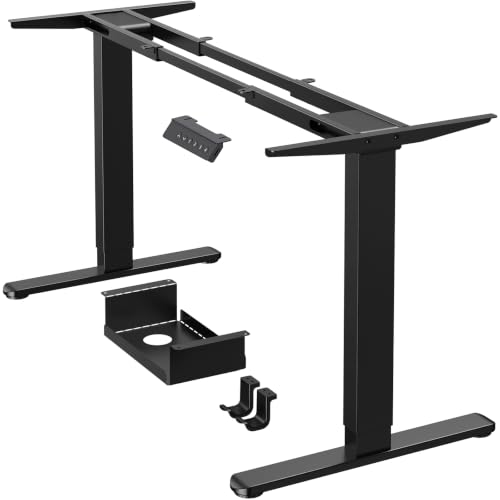
Scroll through enough standing desk threads and you’ll notice a pattern: people who want a manual crank desk almost always get talked into an electric one in the comments. That’s useful information, but it’s not the whole story. Reddit’s bias toward electric desks comes from a specific set of users (gamers, home office obsessives, people who got a desk as a gift) and doesn’t always reflect what’s actually a good buy for someone on a budget or someone who just wants something that won’t break.
I’ve used both. Here’s what the manual crank conversation on Reddit actually gets right, what it gets wrong, and when a hand-crank desk is genuinely the smarter purchase.
What Reddit gets right about manual desks
The recurring complaint is real: cranking a desk up and down multiple times a day gets old fast. A typical hand crank needs 20-30 full rotations to move the desktop about 12 inches, which takes 30-45 seconds if you’re going at a reasonable pace. If you’re the type who alternates sitting and standing every hour, that adds up to a genuinely annoying chunk of your day within a week or two. This is the single most common reason people in r/workspaces and r/battlestations end up swapping a manual desk for an electric one.
The other legitimate point: most manual desks top out around a 2:1 or 3:1 gear ratio, so taller users adjusting from a 24-inch seated height to a 46-inch standing height are looking at 40+ cranks. That’s not a dealbreaker, but it’s a real time cost that electric desks with dual motors don’t have.
Where the advice overshoots
Where the threads go wrong is treating “manual is annoying” as “manual is bad,” full stop. For a lot of use cases, that’s not true.
If you’re setting a desk height once in the morning and leaving it there all day, the crank time is irrelevant. You do it once, maybe twice. The people most frustrated with crank desks on Reddit are the ones trying to use sit-stand transitions as a Pomodoro-style productivity tool, switching every 30-60 minutes. That’s a legitimate way to use a standing desk, but it’s not the only way, and it’s not even the most common one based on actual usage studies on sit-stand adoption, which show most users change position 2-4 times per day, not 10.
There’s also a durability argument that rarely gets mentioned: manual crank mechanisms have far fewer failure points than electric lift columns. No control board to die, no motor to burn out, no sync issues between dual motors causing the desktop to rack sideways over time (a real complaint with cheaper electric desks after 1-2 years of use). A steel crank mechanism from a reputable manufacturer will often outlast the laminate on the desktop itself.
Cost and what you’re actually trading off
The price gap is the other reason manual desks deserve more credit than they get. A decent crank desk runs $150-250. A comparable electric dual-motor desk with similar weight capacity and desktop quality runs $350-600. That’s not a small difference if you’re furnishing a home office on a budget or buying desks for multiple people.
| Factor | Manual crank | Electric dual-motor |
|---|---|---|
| Typical price | $150-250 | $350-600 |
| Time to adjust | 30-45 sec | 5-10 sec |
| Noise | Mechanical clicking, no hum | Motor hum, 40-50 dB |
| Memory presets | None | Usually 2-4 presets |
| Failure points | Crank handle, gear box | Motor, control board, motor sync |
| Weight capacity (typical) | 150-200 lbs | 150-300 lbs |
| Good fit for | 1-2 height changes/day, tight budget | Frequent position switching, multi-user households |
Weight capacity is worth a second look too. Cheaper manual desks top out around 150 lbs, which is fine for a laptop and a monitor but tight if you’re running dual monitors on arms plus a desktop tower. If you need more capacity, it’s worth browsing a heavy duty manual standing desk rather than assuming all crank desks are built the same.
Who should still go electric
None of this means manual is right for everyone. If you work from home full-time and genuinely plan to alternate sitting and standing throughout the day, the crank friction will wear on you, and Reddit’s advice to go electric is correct. Same goes for shared desks (a family computer, a hot-desking setup at a small office) where different users need different heights set quickly and repeatedly. In those cases, a dual motor electric standing desk with programmable height presets removes the friction entirely and is worth the extra cost.
If you’re not sure which camp you’re in, a cheap way to test it before committing to an electric desk is to try a manual desk converter you place on top of your existing desk. These run $80-150 and let you figure out your actual sit-stand switching frequency before you spend $400+ on a full desk. If you check a standing desk converter and find you’re switching constantly, that tells you something real about which full desk to buy next.
The actual decision point
Don’t let a thread full of enthusiasts who switch positions every 45 minutes talk you out of a manual desk if your real pattern is standing in the morning and sitting the rest of the day. The crank is only a problem if you’re cranking often. Match the desk to your actual habits, not the habits of the loudest people in the comments.