Our Top Picks
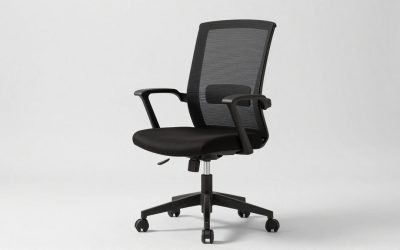
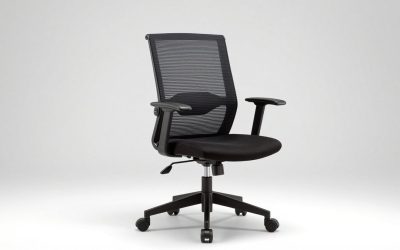
 CLATINA Mid Back Leather Office Executive Chair with8 Pack21.7 x 25.6 x 40 inches27 poundsCheck on Amazon
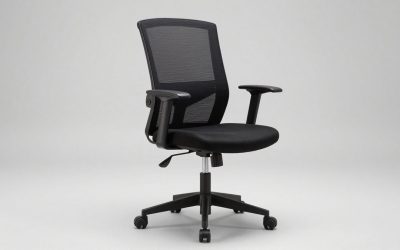
 Bonzy Home Ergonomic Conference Room Chairs Set of10 Pack19 x 19.6 x 39.9 Inches19.8 PoundsCheck on Amazon
Best Conference Room Chairs for Long Meetings
The best conference room chairs for long meetings combine a seat height of about 17–19 inches, supportive mid-to-upper back padding, durable upholstery, and enough clearance to move around the table without crowding the room.
A chair that feels comfortable for a 30-minute meeting may become tiring after three or four hours. For all-day conference spaces, prioritize a waterfall-shaped seat edge, firm but resilient foam, a backrest that supports the lumbar area, and dimensions that leave people room to stand, turn, and pass behind seated guests. The right choice also depends on whether the room serves as a boardroom, training space, compact meeting area, or multipurpose office.
CLATINA Mid Back Leather Office Executive Chair with Lumbar Support and Padded Armrestes Swivel Adjustable Ergonomic Design for Home Computer Desk 8 Pack
Picked as a relevant option in this category.
View on Amazon
Flash Furniture Mid-Back Black LeatherSoft Executive Swivel Office Chair with Chrome Base and Arms
Picked as a relevant option in this category.
View on AmazonBonzy Home Ergonomic Conference Room Chairs Set of 10, Rolling Office Chairs with Wheels, Mesh Computer Desk Chair with 360°Swivel, Height Adjustable, 10 Pack
Chosen because it specifies Rolling Office Chairs with Wheels and Mesh Computer Desk Chair with 360°Swivel.
View on Amazon
Office Desk Chair, Leather Conference Room Chairs with Wheels, Modern Executive Office Chairs Adjustable Height, Ergonomic Swivel Rolling Ribbed Computer Chair.
Chosen because it specifies Leather Conference Room Chairs with Wheels and Modern Executive Office Chairs Adjustable Height.
View on AmazonWhat to Look for in a Conference Chair
Seat comfort for extended sitting
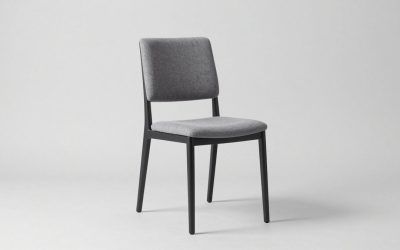
A useful conference chair seat is usually 18–20 inches wide and 17–19 inches deep. A seat that is too shallow may leave taller users without thigh support, while an excessively deep seat can prevent shorter users from placing their feet flat on the floor. A rounded or waterfall front edge reduces pressure behind the knees.
For long meetings, medium-firm molded foam is generally a better choice than very soft cushioning. Soft foam feels inviting at first but can compress quickly and allow the user to sink into a slouched position. Look for cushions approximately 2–4 inches thick, with a supportive foam core rather than a thin layer of padding over a hard shell. If a manufacturer lists foam density, approximately 2.0–2.5 pounds per cubic foot is a practical target for frequently used office seating; lower-density foam is more likely to develop a visible depression sooner.
Back support and posture
Boardroom chairs do not always need the full adjustment range of an ergonomic task chair, but long-use models should support the lower and middle back. A backrest around 20–25 inches high from the seat is suitable for most users. A gently curved back, built-in lumbar contour, and slight recline of approximately 100–110 degrees can support conversation without forcing users to sit rigidly upright.
Adjustable lumbar support is valuable when the same room is used throughout the day by different people. If the chairs are fixed, choose a backrest with a broad lumbar curve rather than a narrow, aggressive lumbar pad that may suit only one body type. Chairs with a flexible back or controlled tilt can make long meetings more comfortable, but avoid a loose rocking mechanism in formal rooms where users need a stable writing surface.
Best Chair Types by Conference-Room Situation
| Room or user need | Best chair type | Recommended specifications | Main compromise |
|---|---|---|---|
| Daily boardroom use | Padded upholstered chair with controlled tilt | 18–20 in. seat width, 20–25 in. back height, 275–300 lb capacity | Heavier and more expensive to move |
| Small meeting room | Compact sled-base or four-leg chair | 17–19 in. seat width, 22–24 in. overall depth, armless profile | Less adjustable and may offer less lumbar support |
| Training or multipurpose space | Stackable upholstered conference chair | Stack height of 4–6 chairs, 250 lb or higher capacity | Usually less plush than dedicated boardroom seating |
| Back-sensitive users | Ergonomic conference chair with adjustable lumbar support | Seat-height adjustment, 100–110 degree recline, 18–21 in. seat depth | Can look more like a task chair than a formal conference chair |
| Frequent spills, children, or pets | Performance fabric or polyurethane upholstery | Tightly woven surface, removable or replaceable seat cover if available | Some easy-clean materials feel warmer or less breathable |
Conference Chair Materials: Durability Versus Comfort
| Material or construction | Advantages | Limitations | Best use |
|---|---|---|---|
| Commercial-grade woven polyester | Breathable, comfortable, available in many colors, generally good abrasion resistance | Can absorb liquid and hold stains if untreated | Long meetings and everyday office use |
| Performance fabric | Improved stain resistance and easier spot cleaning | Quality varies; tightly coated versions may feel less breathable | Multipurpose rooms and high-traffic workplaces |
| Polyurethane or faux leather | Easy to wipe clean and gives a formal appearance | Can become warm; inexpensive coatings may crack or peel over time | Rooms where spills are common and cleaning speed matters |
| Genuine leather | Durable, breathable, and develops a patina with care | Higher cost and requires conditioning; scratches can be visible | Executive boardrooms with a controlled environment |
| Metal frame with molded foam seat | Strong, consistent, and often easier to repair than complex mechanisms | May feel firm and can be heavy depending on the base | High-use conference and training areas |
For most workplaces, commercial polyester or performance fabric offers the best balance between comfort, cost, and service life. Inspect the underside of the chair as well as the visible upholstery. A reinforced frame, securely fastened seat pan, and protected corners matter because these areas experience repeated impacts when chairs are pulled away from a table.
Dimensions and Room Layout Fit
Measure the room before choosing chairs. A typical conference table is approximately 28–30 inches high, so most users need a chair with a seat height near 17–19 inches. Allow at least 36 inches between the table edge and a wall for basic pull-out space. Increase that clearance to 42–48 inches on the main circulation side or wherever someone needs to walk behind seated guests.
As a practical example, a 10-by-12-foot room can usually accommodate a 60–72-inch rectangular table with four to six compact chairs, provided the table is centered and one side is not used as a major walkway. A table about 36 inches wide leaves roughly 42 inches of clearance on each end in a 10-foot-wide room, but chair backs and a person walking behind them will make the space feel tight. Armless chairs with an overall depth of 22–25 inches are preferable in this situation.
A larger 12-by-16-foot room can generally support a 72–96-inch table and six to eight chairs, with 42–48 inches of circulation space around the working sides. Chair arms may add 2–4 inches to the effective width of each place setting, so calculate using the chair’s widest point, not only the seat width. Leave approximately 24–30 inches of table edge per person for comfortable elbow room.
Decision Matrix: Which Chair Fits Your Situation?
| Your priority | Choose | Avoid |
|---|---|---|
| Small apartment or compact office | Armless chair no deeper than 24–25 inches, preferably stackable | Wide armchairs with deep cushions |
| Kids, pets, or frequent food service | Tightly woven performance fabric or quality wipeable upholstery | Very light fabric and delicate exposed wood edges |
| Renter or frequently changing layout | Lightweight four-leg or sled-base chairs with replaceable glides | Heavy chairs with casters that can damage flooring |
| Users with back pain | Contoured back, adjustable lumbar support, and controlled recline | Flat-backed chairs with no pelvic or lumbar contour |
| Formal executive room | Leather or high-quality upholstery with a stable metal or hardwood frame | Highly flexible training chairs with exposed plastic backs |
Moving, Assembly, and Long-Term Wear
Conference chairs are often moved more than expected. Check the packaged dimensions before ordering: a fully assembled chair may need a doorway at least 28–32 inches wide, while boxed chairs may require additional turning clearance in hallways and elevators. A chair weighing 25–40 pounds is manageable for one person, but heavier executive models are safer to move with two people. Stackable chairs should be lifted rather than dragged unless their frames include suitable floor glides.
Assembly is usually limited to attaching the seat to the base, but verify that bolts can be retightened. Screws loosen gradually when chairs are repeatedly pulled sideways from a table. The parts most likely to wear first are floor glides, casters, arm caps, seat-front upholstery, and foam at the leading edge. Replaceable glides and accessible fasteners can extend the useful life more effectively than decorative features.
For a regularly occupied conference room, a midrange chair commonly costs about $150–$350 per seat. More supportive ergonomic or executive models often fall in the $300–$600 range, while premium leather or highly adjustable designs may cost more. Budget for floor protection, replacement glides, and occasional upholstery cleaning rather than spending the entire budget on appearance.
How to Choose the Final Model
- Measure table height, room width, doorway clearance, and circulation paths.
- Confirm that the seat height works with the table and allows feet to rest flat.
- Compare the chair’s overall width and depth, including arms and rear legs.
- Choose medium-firm foam and a backrest with a visible lumbar contour for long sessions.
- Select upholstery based on cleaning demands, not color alone.
- Check the stated weight capacity, warranty, frame construction, and replacement-part availability.
- Use armless or stackable designs when the room must change functions frequently.
For most workday conference spaces, the strongest all-around choice is a 18–20-inch-wide upholstered chair with a 17–19-inch seat height, 2–4 inches of medium-firm foam, a supportive contoured back, and a durable woven or performance fabric. Choose a more adjustable ergonomic model when back support is the priority, or a compact stackable chair when room flexibility and storage matter more than plush cushioning.