Key takeaways
- Seat width: about 19 inches
- Seat depth: about 15.2 to 16.9 inches (the PostureFit and pan slide adjust this range)
- Seat height: about 15.4 to 19.1 inches from the floor
- Overall chair width: about 25.9 inches
- Weight capacity: up to roughly 250 lbs (Herman Miller’s official chart lists this, though the practical comfort ceiling is closer to 155-165 lbs for a proper fit, not a load limit)
What's inside
Size A fits people roughly 4’11” to 5’6″ (under 130 lbs on the lighter end, up to about 155 lbs comfortably) because its seat is narrower and shallower than the other two Aeron sizes, which matters more than most buyers realize since seat depth is what causes knee-back-of-thigh pressure on shorter legs. If you’re taller or heavier than that range, Size B is the better call, and this article breaks down exactly where the line falls.
Size A’s actual dimensions
Herman Miller builds the Aeron in three shell sizes, and Size A is the smallest. Here’s what you’re actually sitting on:

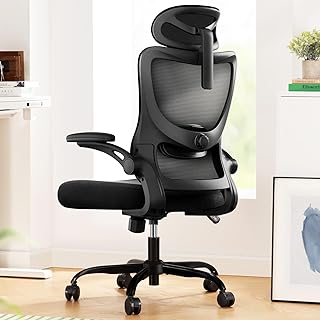
Herman Miller Aeron Ergonomic Chair - Size A, Graphite
Included for 'Herman Miller Aeron Size A: Who Actually Fits It' because the listing specifies Size A and Graphite, details this guide uses to compare options.
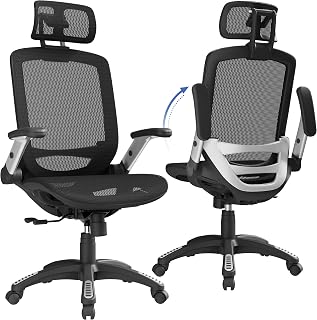
View on AmazonHerman Miller Aeron Ergonomic Chair - Size B, Graphite
Included for 'Herman Miller Aeron Size A: Who Actually Fits It' because the listing specifies Size B and Graphite, details this guide uses to compare options.
View on Amazon
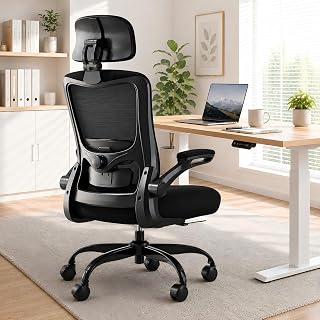
Herman Miller Classic Aeron Chair - Size B, Posture Fit
Included for 'Herman Miller Aeron Size A: Who Actually Fits It' because the listing specifies Size B and Posture Fit, details this guide uses to compare options.
View on Amazon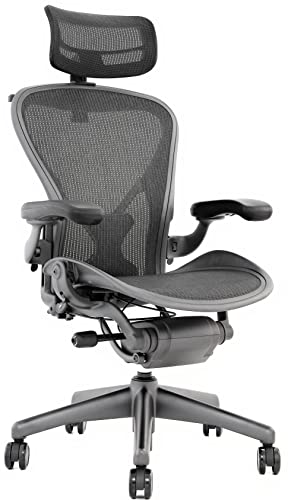
Aeron Chair by Herman Miller - Highly Adjustable Graphite Frame - with PostureFit - Carbon Classic (Medium)
Included for 'Herman Miller Aeron Size A: Who Actually Fits It' because the listing specifies Highly Adjustable Graphite Frame and with PostureFit, details this guide uses to compare options.
View on Amazon- Seat width: about 19 inches
- Seat depth: about 15.2 to 16.9 inches (the PostureFit and pan slide adjust this range)
- Seat height: about 15.4 to 19.1 inches from the floor
- Overall chair width: about 25.9 inches
- Weight capacity: up to roughly 250 lbs (Herman Miller’s official chart lists this, though the practical comfort ceiling is closer to 155-165 lbs for a proper fit, not a load limit)
That capacity number trips people up. Size A can technically hold 250 lbs without breaking, but “won’t break” and “fits well” are different questions. A heavier person on a Size A frame will feel the seat edges dig into the outer thighs because the pan simply isn’t wide enough, even though the mechanism underneath is rated to hold them.
Herman Miller’s own fit chart, translated
The manufacturer sizes Aeron by height and weight together, not either alone. Here’s how the three sizes break down:
| Size | Height range | Weight range | Seat width | Seat depth |
|---|---|---|---|---|
| Size A | 4’11” – 5’6″ | Under 130 lbs (up to ~155 lbs still workable) | ~19 in | ~15.2-16.9 in |
| Size B | 5’3″ – 6’1″ | 130-230 lbs | ~20.5 in | ~16.1-17.8 in |
| Size C | 5’10” and up | 180-350 lbs | ~21.75 in | ~17.7-19.4 in |
Notice the overlap zones. Someone at 5’4″ and 145 lbs sits right in the gap between A and B, and that’s exactly where fit problems show up: the chart isn’t a strict lookup table, it’s a starting point that your actual thigh length and hip width will override.
Size A vs Size B: the side-by-side that actually matters
Most people shopping Aeron aren’t choosing between A and C, they’re stuck between A and B. Here’s the practical difference:
| Factor | Size A | Size B | |
|---|---|---|---|
| Best for | Under 5’6″, narrower hips, shorter thighs | 5’3″-6’1″, average build | |
| Seat-edge pressure risk | Low if under 155 lbs; high if heavier | Low across most of its range | |
| Legs dangling or knees too high | Rare — shallower seat suits shorter legs | Common for users under 5’3″ | |
| Armrest reach | Shorter reach, fits smaller torsos | Standard reach | |
| Visual footprint in small rooms | Slightly more compact (~25.9 in wide) | ~27 in wide |
The seat-edge pressure point is the one to watch. It happens when the chair pan is wider than your hips need, so instead of the seat cushion supporting your thighs evenly, the front lip of the pan presses into the underside of your legs when you scoot forward to reach a desk. Size A’s narrower pan avoids this for smaller frames; putting a 5’2″ person in Size B often recreates the exact problem the Aeron is supposed to solve.
If you’re between 5’3″ and 5’6″ and closer to 150-160 lbs, sit in both if you can. That’s the true crossover zone where either size can work, and torso length (not just height) tends to decide it.
Lumbar support and controls: same across all sizes
One thing that doesn’t change by size: the Herman Miller Aeron chair’s PostureFit SL lumbar support and its control set are identical across A, B, and C. PostureFit SL has two separate pads, one for the sacrum and one for the lumbar curve, adjustable independently. The standard control layout includes:
- Seat height adjustment (pneumatic lever)
- Seat angle tilt with a tension knob
- Tilt limiter (locks the recline range)
- Forward seat tilt (on models with the “tilt” control package)
- Armrest height, width, and pivot adjustment
So sizing doesn’t affect ergonomic features, only the shell dimensions and mesh tension. A smaller person doesn’t lose any adjustability by going with Size A.
Price and what you’re actually paying for
A new Herman Miller Aeron chair usually runs $1,300-$1,700 depending on fabric/mesh choice, arm style, and casters. Refurbished or open-box units through authorized resellers often land in the $700-$1,000 range. Size doesn’t change the price within the same configuration; A, B, and C cost the same for equivalent features.
That price point is why so many people search for a chair similar to Herman Miller Aeron. If the budget doesn’t stretch that far, look for chairs that copy the specific things that make the Aeron work: a suspension mesh seat and back (not foam) for weight distribution, an independent sacral/lumbar adjustment, and a sized shell rather than one-size-fits-all. Several ergonomic chair lines built after the Aeron’s patents expired now offer similar mesh-and-frame construction in the $400-$700 range, though the adjustment range and long-term mesh tension tend to be less refined than the original.
Quick decision guide
- Under 5’3″, under 155 lbs: Size A, no real debate
- 5’3″-5’6″, under 150 lbs: Size A first choice, try Size B if torso is long
- 5’3″-5’6″, 150-180 lbs: Size B, avoid edge pressure
- 5’6″-6’1″, any weight in range: Size B
- 6’1″+ or over 230 lbs: Size C
When in doubt between A and B, weight matters more than height. A short but heavier-set person will get more comfortable seat support from Size B’s wider pan than from squeezing into Size A’s narrower one, even if the height chart says A.