Our Top Picks
The HON Ignition 2.0 is a solid mid-priced task chair for average-size users who sit 4-8 hours a day and want commercial-grade build without paying flagship prices – but it is a configurable office chair, so whether it is good for you depends heavily on which arms, lumbar and seat options you choose. Ordered with adjustable arms and lumbar, it covers most of what an ergonomic chair needs; the stripped-down base version is closer to an ordinary office chair.
This review focuses on what the chair offers, how it fits different body types, how it compares with other chairs at its price, and the practical points buyers often miss.
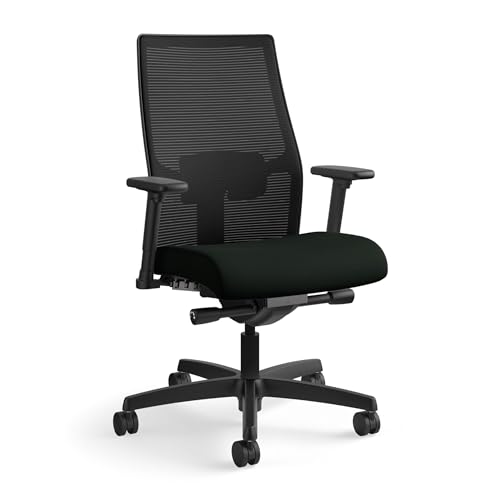
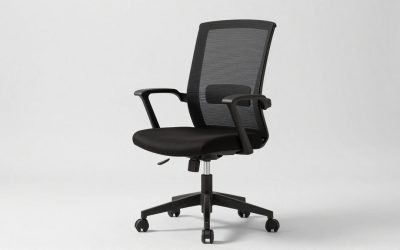
HON Ignition 2.0 Ergonomic Office Chair, Lumbar Support, Desk Chair, Black | Ergonomic office desk chair with lumbar support, adjustable arms, office decor, workstation comfort for focused productivity
Chosen because it specifies Lumbar Support and Desk Chair.
View on Amazon
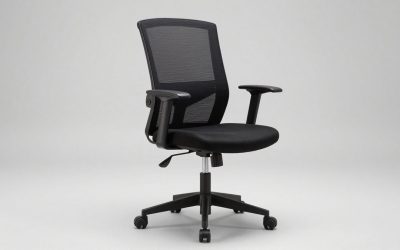
HON Ignition 2.0 Ergonomic Office Chair, Lumbar Support, Desk Chair, Black | Ergonomic office desk chair with lumbar support, adjustable arms, office decor, workstation comfort for focused productivity
Chosen because it specifies Lumbar Support and Desk Chair.
View on Amazon
HON Ignition 2.0 Ergonomic Office Chair, Lumbar Support, Desk Chair, Black | Upholstered ergonomic office desk chair with lumbar support, adjustable arms, office decor, standard tilt for comfort
Chosen because it specifies Lumbar Support and Desk Chair.
View on Amazon
Heromate Office Chair-400lbs, Ergonomic Heavy Duty Office Desk Chair with Adjustable Lumbar Support Breathable Mesh Computer Chair with Flip-Up Armrests, Comfy Home Office Desk Chair for Heavy People
Chosen because it specifies Comfy Home Office Desk Chair for Heavy People.
View on AmazonWhat the HON Ignition 2.0 Is
HON is a long-established US office furniture maker that sells primarily to businesses, schools and government buyers. The Ignition line is one of its core task chairs, and the 2.0 version is the updated model. It is sold in mid-back and high-back styles, with a mesh back or an upholstered back, and a range of fabric and mesh colors. It is built to commercial standards and is rated by HON for users up to 300 lb in standard configurations.
Key Features at a Glance
| Feature | What you get | Why it matters |
|---|---|---|
| Back | Mesh or upholstered; mid-back or high-back | Mesh breathes better in warm rooms; upholstered feels softer |
| Tilt mechanism | Synchro-tilt with tension control and tilt lock | Seat and back recline at a coordinated ratio so your feet stay planted |
| Seat height | Pneumatic adjustment; roughly 17-21 in range on the standard cylinder | Fits most users from around 5’2″ to 6’2″ |
| Arms | Options from fixed to height-adjustable to multi-way | The single biggest comfort upgrade to choose |
| Lumbar | Adjustable lumbar available | Lets you place support at your lower-back curve |
| Seat depth | Seat slider available on many configurations | Important for very short or very long thighs |
| Weight capacity | 300 lb (standard) | Commercial durability standard |
| Typical price | Roughly $300-$650 depending on options | Mid-range for a commercial task chair |
Comfort and Adjustability
Back support
The mesh back has a gentle S-curve and moderate tension. It suits people who sit upright or slightly reclined. With the adjustable lumbar, the support can be moved up or down to hit the small of your back; without it, taller and shorter users may find the fixed curve sits in the wrong spot. If you have recurring lower-back pain, the lumbar option is worth paying for.
Seat
The seat uses molded foam with a waterfall front edge, which reduces pressure behind the knees. It is a medium-firm seat – not plush. For sitting over about six hours a day, the seat slider option makes a real difference: it lets you leave 2-3 fingers of space between the seat edge and the back of your knees, which is the usual ergonomic target.
Arms
Fixed arms are the most common reason people end up disappointed with any task chair. Height-adjustable arms let you set them level with a 29-30 inch desk so your shoulders relax; multi-way arms that also pivot and slide help when typing close to the desk or using a laptop. Choose at least height-adjustable.
Recline
The synchro-tilt is smooth and can be locked upright. Tension adjustment lets lighter and heavier users balance the recline. It does not have the extra seat-tilt adjustments found on premium chairs, which matters mostly to people who perch forward while drafting.
Who It Fits
| User | Fit | Notes |
|---|---|---|
| 5’2″-6’0″, under 250 lb | Good | Core fit range for the mid-back model |
| Over 6’1″ | Fair | Choose high-back, seat slider, and check seat height with your desk |
| Under 5’2″ | Fair | May need a footrest or a shorter cylinder; seat slider helps |
| Over 275-300 lb | Not ideal | Look at dedicated big-and-tall chairs with higher ratings |
| Hot rooms, warm climates | Good | Mesh back helps airflow |
| Long gaming sessions with deep recline | Fair | No headrest on most versions; recline is moderate |
How It Compares
At its price, the Ignition 2.0 competes with chairs like the Steelcase Series 1 and the Branch Ergonomic Chair, and sits below premium options like the Steelcase Leap or Herman Miller Aeron.
- Versus budget mesh chairs ($100-$250): the Ignition has a stronger base and mechanism, a longer warranty and parts availability. Cheaper mesh chairs typically sag or squeak sooner.
- Versus Steelcase Series 1: both are commercial-grade mid-range chairs. The Series 1 is often preferred for its flexible back; the Ignition is often easier to find in more conservative office looks and through business furniture dealers.
- Versus premium chairs ($900+): the premium chairs offer finer adjustments, better back flex and longer comfort for very long days. The Ignition gets most of the basics right for less than half the price.
Assembly and Durability
The chair usually ships partially assembled. Expect to attach the base, casters, cylinder and seat/back assembly, which takes around 15-30 minutes with basic tools. The box typically weighs roughly 40-55 lb, depending on configuration.
On durability, commercial chairs like this are designed for multi-shift office use, so the main wear points over years are:
- Arm pads: the soft caps can crack or peel with heavy use; replaceable on most HON chairs.
- Mesh tension: may relax slightly over time, especially with heavier users.
- Casters: standard hard casters are designed for carpet; on hardwood, use a chair mat or switch to soft casters.
- Gas cylinder: eventually loses pressure on any chair; it is a standard replaceable part.
HON backs its chairs with a limited lifetime warranty for the original purchaser, with shorter terms on certain components such as upholstery and some mechanisms. Buying through an authorized dealer makes warranty claims simpler.
Pros and Cons
Pros
- Commercial build quality at a mid-range price
- Configurable arms, lumbar and seat depth
- Breathable mesh back option
- Strong warranty and long-term parts availability
Cons
- Base configurations lack the adjustments that make it ergonomic
- Medium-firm seat will not suit people wanting plush comfort
- No headrest on most versions
- Configuring options can be confusing when retailers list several versions
Verdict
Buy the HON Ignition 2.0 if you want a durable, office-grade chair for full workdays and are willing to pick the right options: adjustable arms, adjustable lumbar and, ideally, a seat slider. Skip it if you are over 6’2″ or 300 lb, want deep recline with a headrest, or prefer a soft, cushioned seat – in those cases, a dedicated big-and-tall or executive-style chair will serve you better.