Our Top Picks
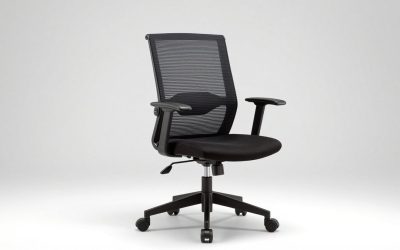
 Antlu Saddle Stool Dental Hygienist Rolling Chair withWith Backrest20.5 x 20.5 x 29 Inches14 poundsCheck on Amazon

Dental hygienists spend most of the workday leaning forward over a patient’s mouth, often for 30 to 60 minutes at a stretch, with their arms elevated and their neck flexed down. A standard office chair, even a good one, isn’t built for that posture. A saddle chair is. If you’re shopping for one, the decision isn’t really about brand prestige, it’s about seat shape, height range, and how your specific body and operatory setup interact with the chair over an 8-hour day.
Why a saddle seat matters for this job
A flat-seat chair pushes your hips into about 90 degrees of flexion. Over time, that closes off the pelvis, rounds the lower back, and forces you to lean forward from the waist instead of the hips. A saddle chair splits your legs slightly and opens the hip angle to something closer to 120-135 degrees, which lets your pelvis tilt forward naturally. That means you can lean toward the patient by hinging at the hips while keeping your spine in a neutral, stacked position instead of rounding your shoulders and lower back forward.
This isn’t a minor comfort upgrade. Hygienists have some of the highest rates of work-related musculoskeletal disorders in healthcare, concentrated in the neck, shoulders, and lower back, mostly from sustained static postures rather than one bad lift. A saddle seat doesn’t fix bad habits, but it removes one of the biggest structural causes of that forward-rounded posture.
Single-seat vs. split-seat (dual-saddle) chairs
There are two basic seat shapes on the market, and the difference matters more than most product listings let on.
| Type | Hip angle | Best for | Common complaint |
|---|---|---|---|
| Single saddle (one piece, gently split) | Moderate opening, ~110-120° | Hygienists who shift position often, need to rotate around the patient | Less pronounced pelvic tilt than full split |
| Split saddle (two independent pads) | Wider opening, ~120-135° | Hygienists with existing lower back pain, long single-patient procedures | Takes longer to adjust to; some find the gap awkward when rotating |
If you’ve never used a saddle chair, start with a single-piece saddle. It’s a smaller adjustment from a normal chair, and most people adapt within a week or two. If you already have a diagnosed lumbar issue, or your current chair is clearly failing you, the split-seat design gives you a more aggressive pelvic tilt and is worth the adjustment period.
Height range is the number that actually matters
Operatory stools need a taller range than desk chairs. You’re often seated higher than a typical office chair height, especially when working on patients who are reclined. Look for a minimum seat height around 20 inches and a maximum around 27-28 inches. Chairs that cap out at 25 inches will leave taller hygienists hunching anyway, which defeats the point of the saddle shape. If you’re under 5’4″ or over 6’0″, check the published range carefully before buying, since mid-range options are often tuned for average heights and clip the ends of the bell curve.
Pneumatic cylinders used in most saddle stools are rated for a cycle count, not unlimited adjustments. In a clinical setting where you’re raising and lowering the chair constantly between patients, cheaper cylinders can start sagging under load within a year or two. This is one area where spending more actually buys durability, not just comfort.
Base, casters, and cleanability
Dental offices have hard flooring, usually vinyl or tile, and need to disinfect surfaces between patients. A few practical points:
Caster wheels made for carpet will skid on hard flooring, so confirm the chair ships with hard-floor casters or buy a replacement set separately. A five-point base is more stable than four when you’re leaning and reaching, which happens constantly in this job. Upholstery matters more than people expect: look for seamless, wipeable vinyl rather than fabric, since fabric absorbs disinfectant residue and wears out faster under repeated cleaning cycles.
Backrests are optional on true saddle stools, and most hygienists skip them because the point of the design is to avoid leaning back. If you want occasional lumbar support for breaks between patients, a chair with a removable or retractable backrest bar is more useful than a fixed one, since a fixed backrest tends to get in the way during active procedures.
When the cheaper chair is actually fine
Not every hygienist needs a $400+ ergonomic stool. If you’re part-time, work short shifts, or rotate between sitting and standing procedures, a mid-range saddle stool in the $150-250 range with a basic pneumatic cylinder and standard casters will do the job without issue. The expensive tier mainly earns its price through cylinder longevity, wider height range, and better upholstery durability under heavy daily cycling, not through dramatically better ergonomics. If you’re working full-time, 4-5 days a week, every day for years, that durability difference stops being a luxury and starts being the thing that prevents a mid-career chair replacement.
For most hygienists starting out, a reasonable approach is to browse saddle stools built for dental and medical use rather than general ergonomic office saddles, since the dental-specific ones are more likely to have the right height range and hard-floor casters out of the box. If you already know you want the split design, search specifically for split-seat saddle chairs rather than the single-piece style, since listings don’t always distinguish clearly in the title.
Test before you commit to a full shift on it
Saddle chairs feel strange for the first few sittings, which is normal and not a sign the chair is wrong for you. What’s not normal is numbness in the inner thighs after 20 minutes, which usually means the saddle is too narrow or the nose of the seat is pressing where it shouldn’t. If that happens after a proper break-in period of a week or two, the seat shape is wrong for your body, not just unfamiliar, and no amount of adjusting height or angle will fix it. Buy from a retailer with a real return window rather than a marketplace listing with no return path, since this is one case where fit genuinely varies by body type and can’t be judged from photos.
If your clinic allows it, borrow a colleague’s saddle stool for a half-day before buying your own, even if it’s not the exact model you’re considering. It tells you more about whether this seat type works for your hips and back than any spec sheet will.